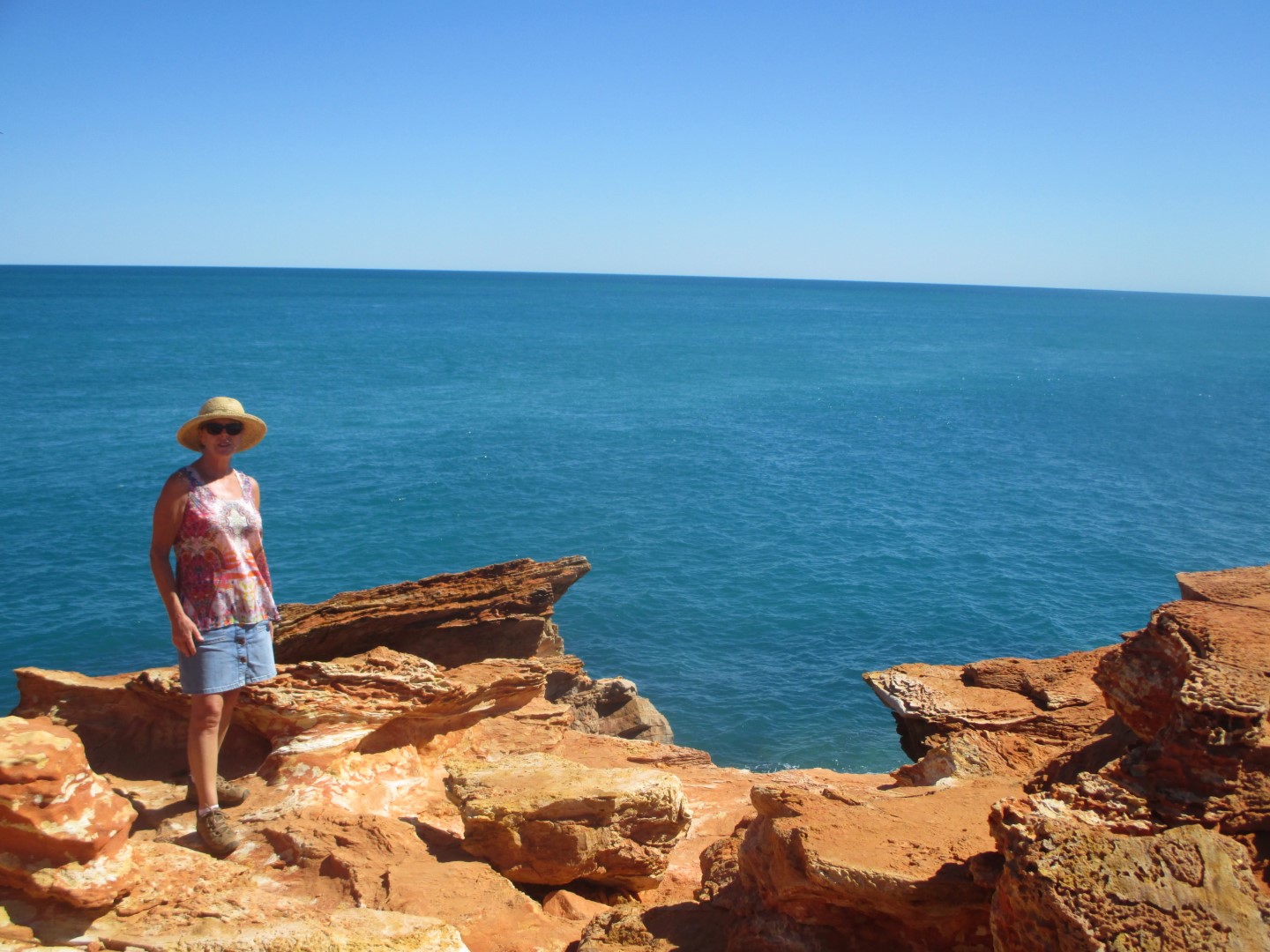
Karratha

Karratha is a city in the Pilbara region of Western Australia, adjoining the port of Dampier. It was established in 1968 to accommodate the processing and exportation workforce of the Hamersley Ironmining company and, in the 1980s, the petroleum and liquefied natural gas operations of the North West Shelf Venture. The city’s name comes from the cattle station of the same name, which derives from a word in a local Aboriginal language meaning “good country” or “soft earth”.

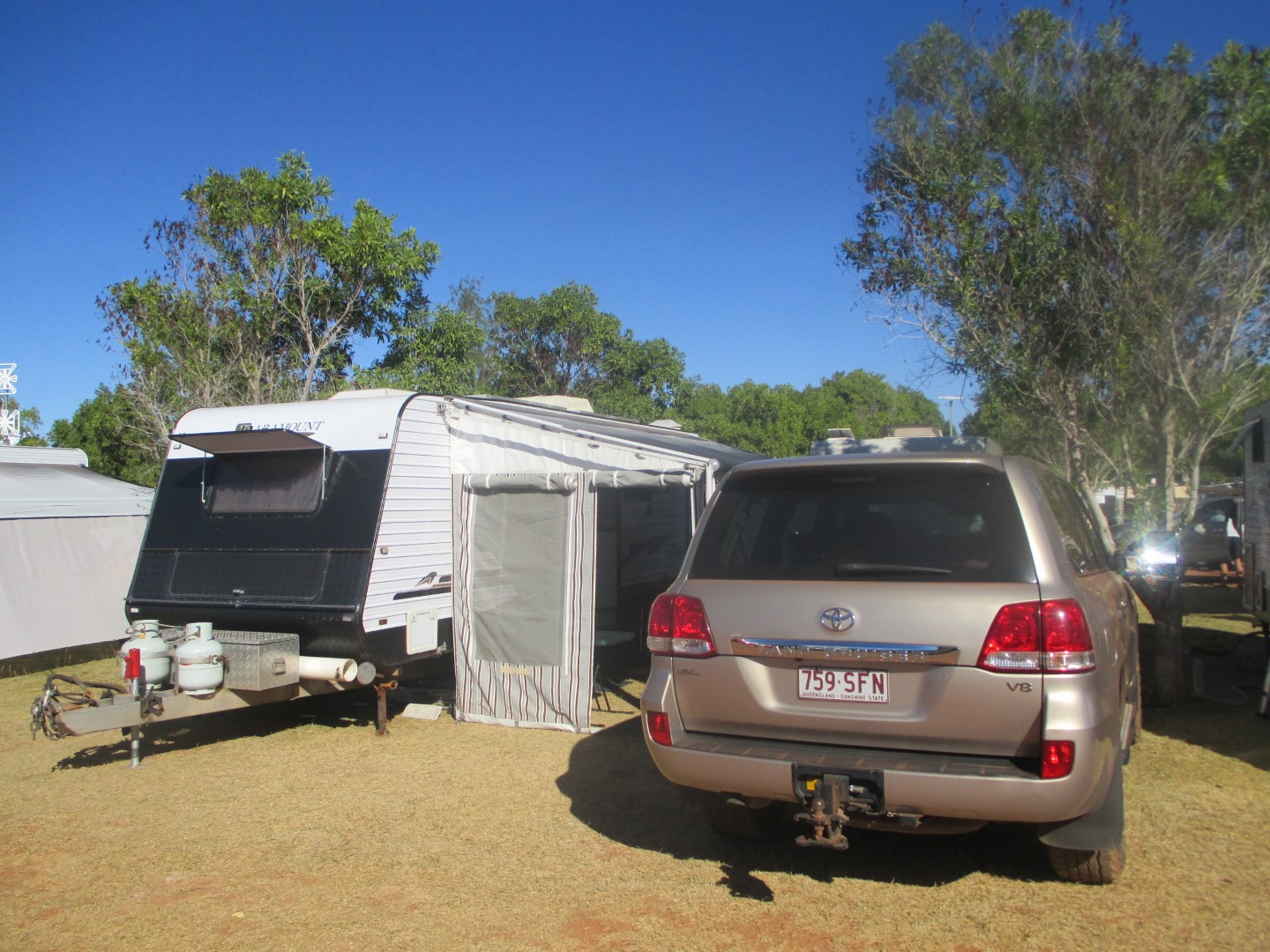
Karratha serves us as a good base camp to visit the local attractions, including the ‘Staircase To The Moon’, the North West Gas project and Dampier, home to the infamous ‘Red Dog’. (More details on these to follow.)

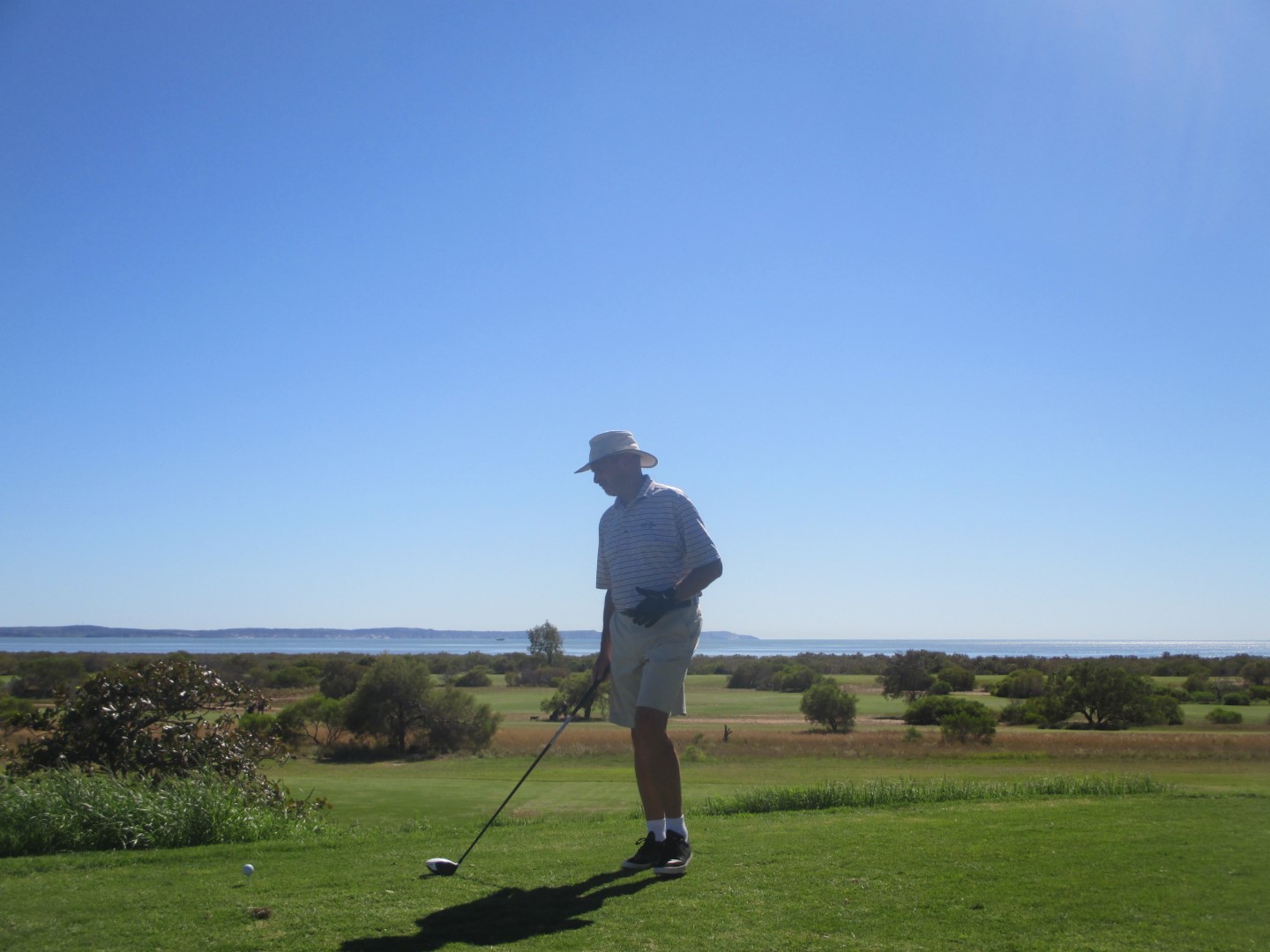
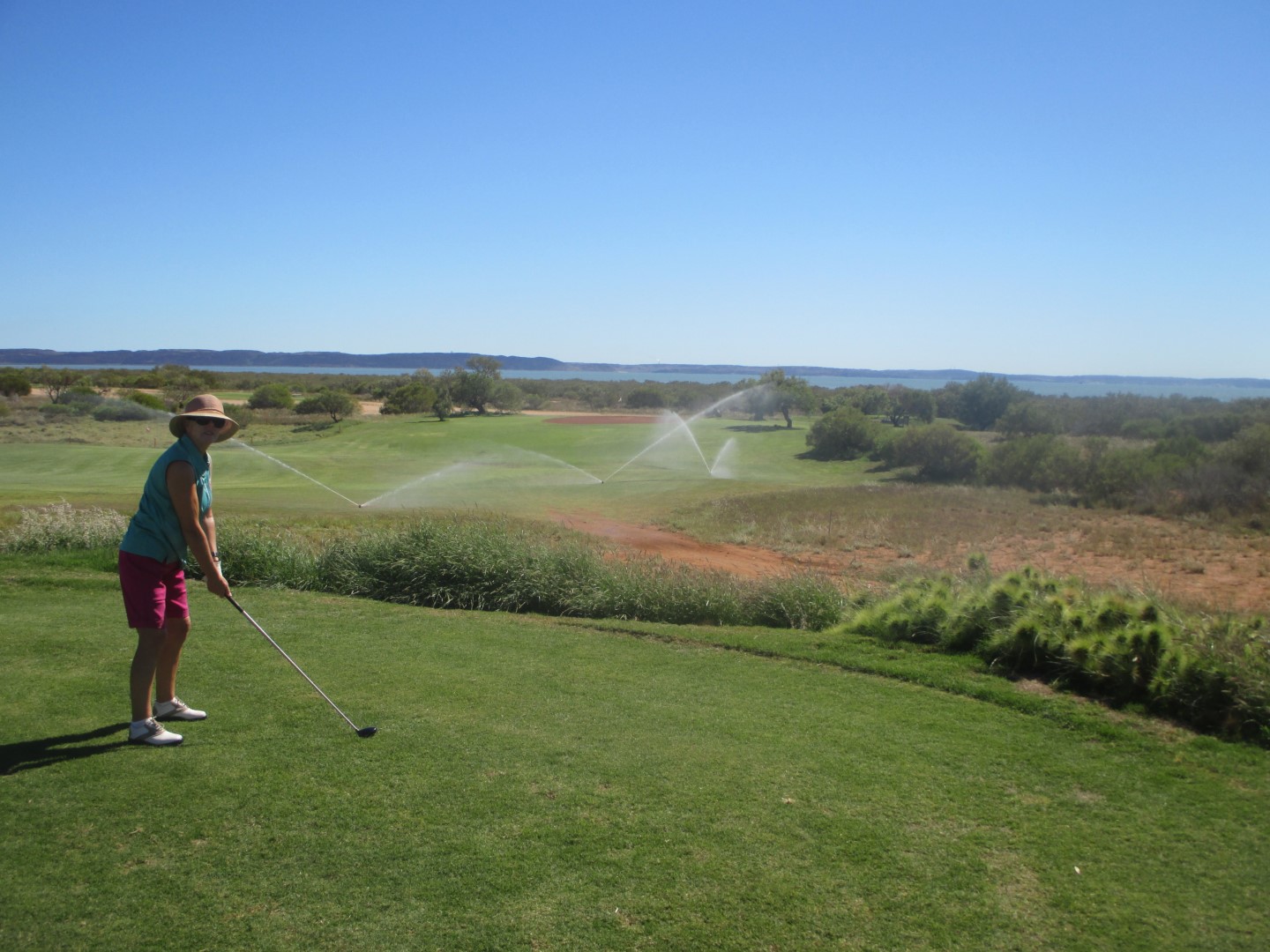
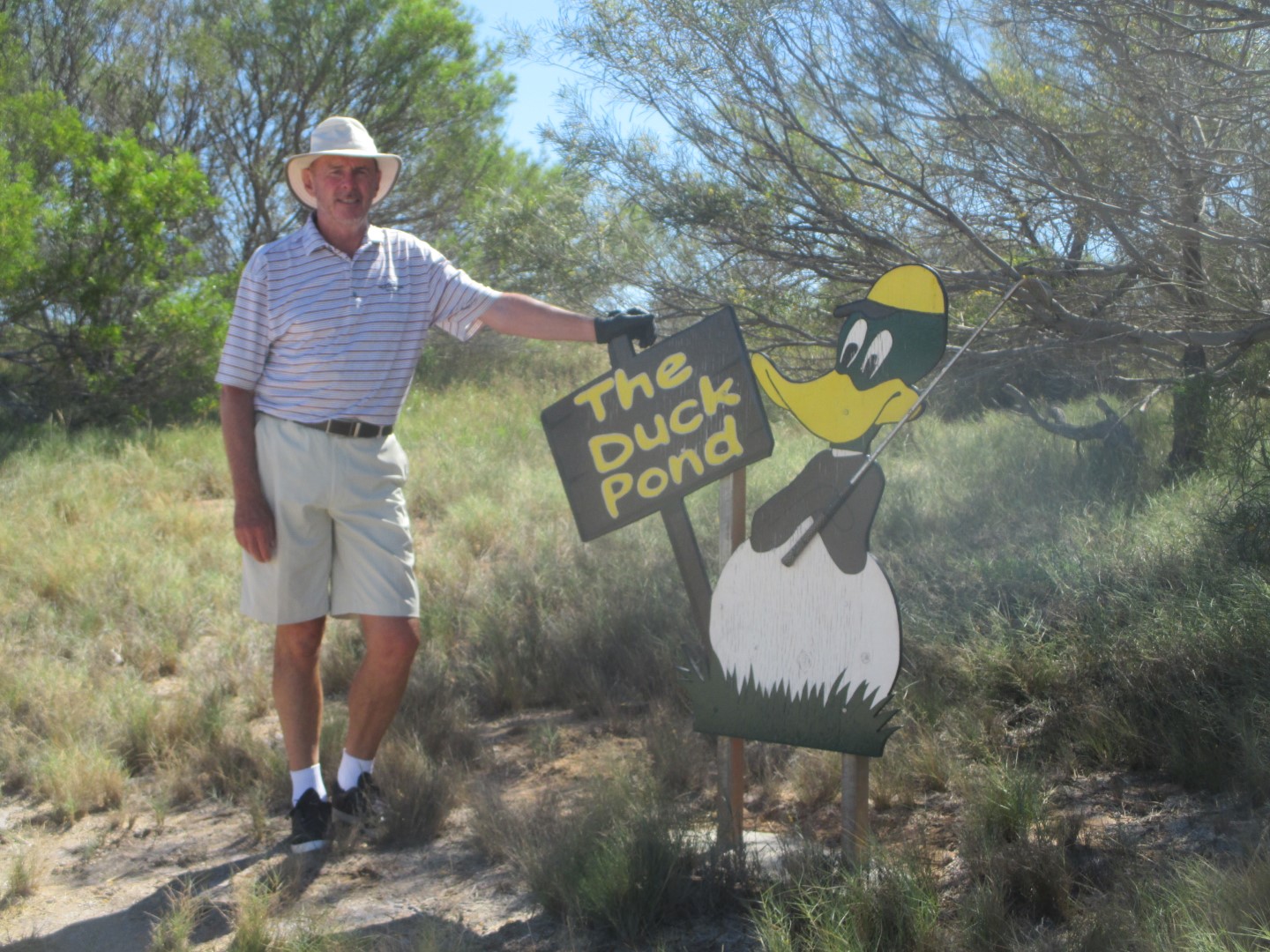
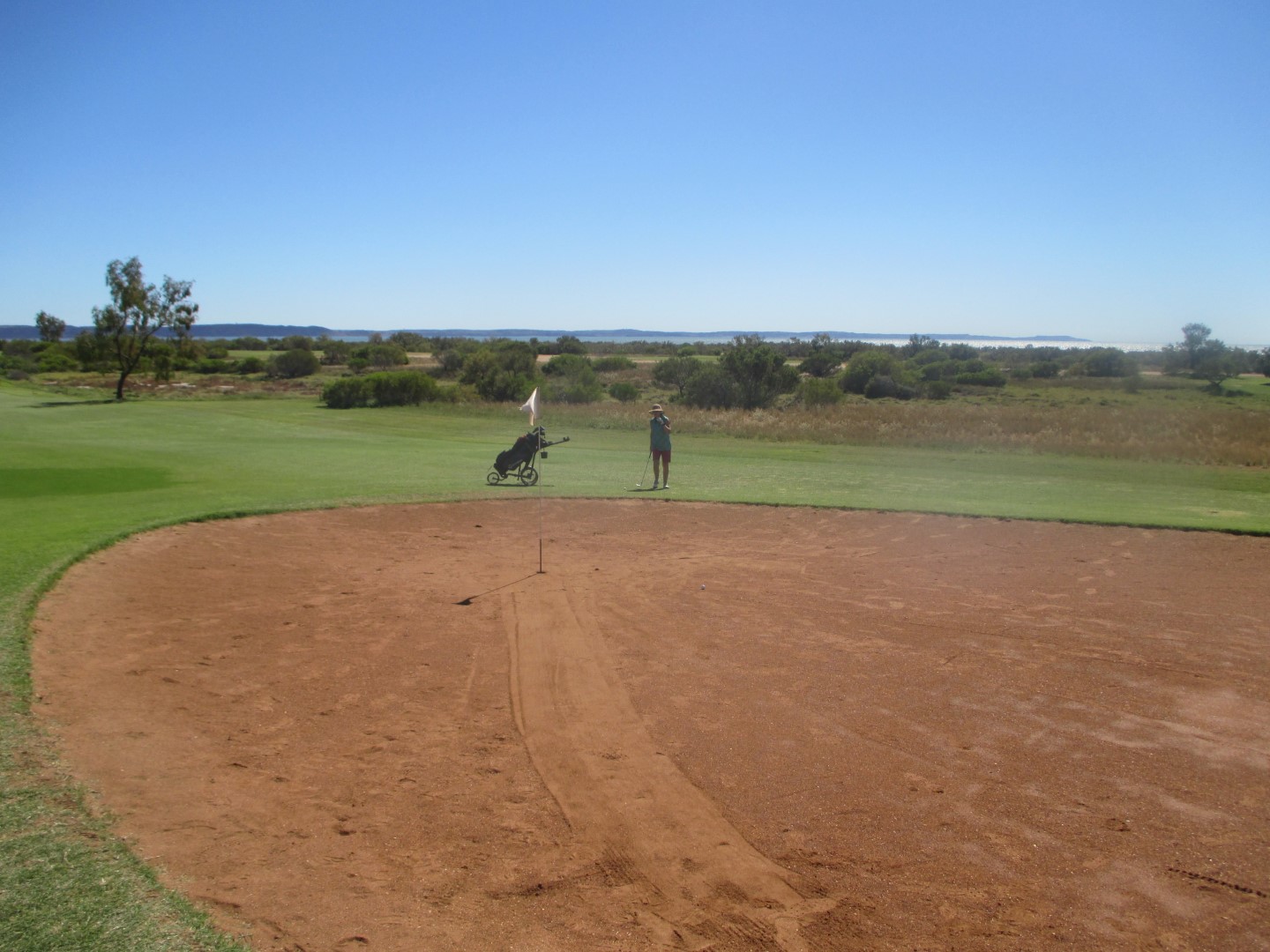
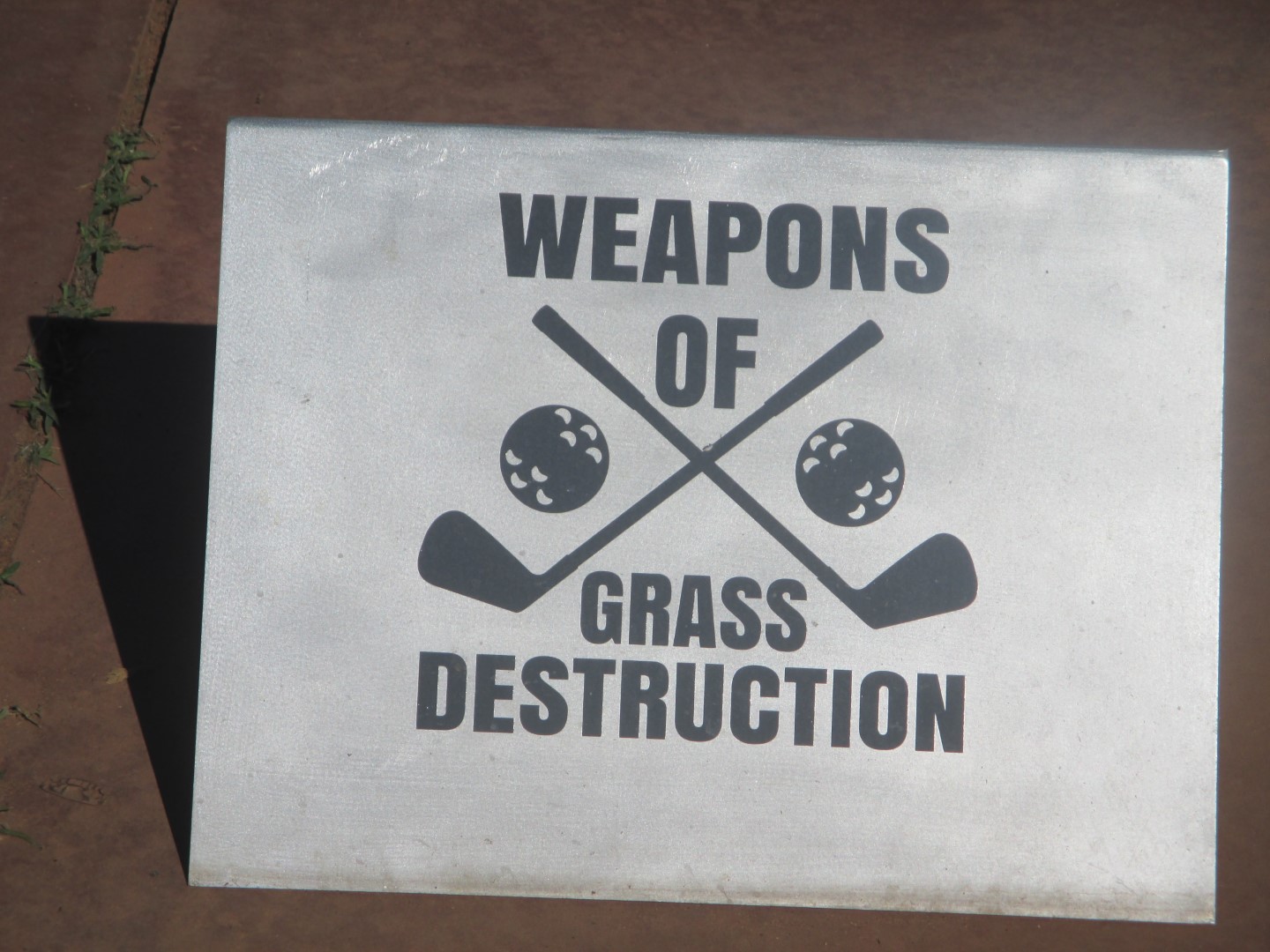
We had a round of golf at the picturesque Karratha Golf Course with its sand greens – well worth the visit.
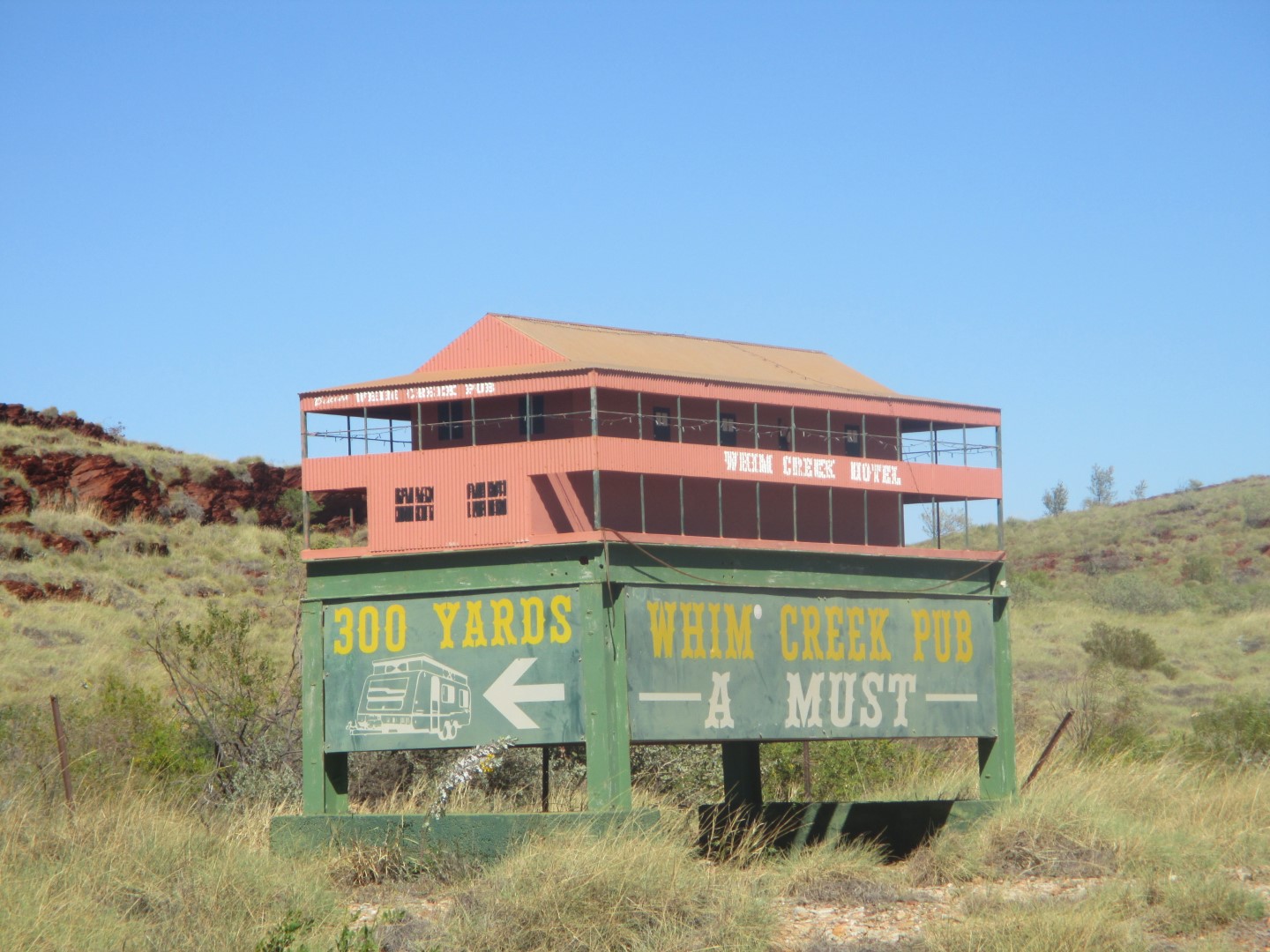
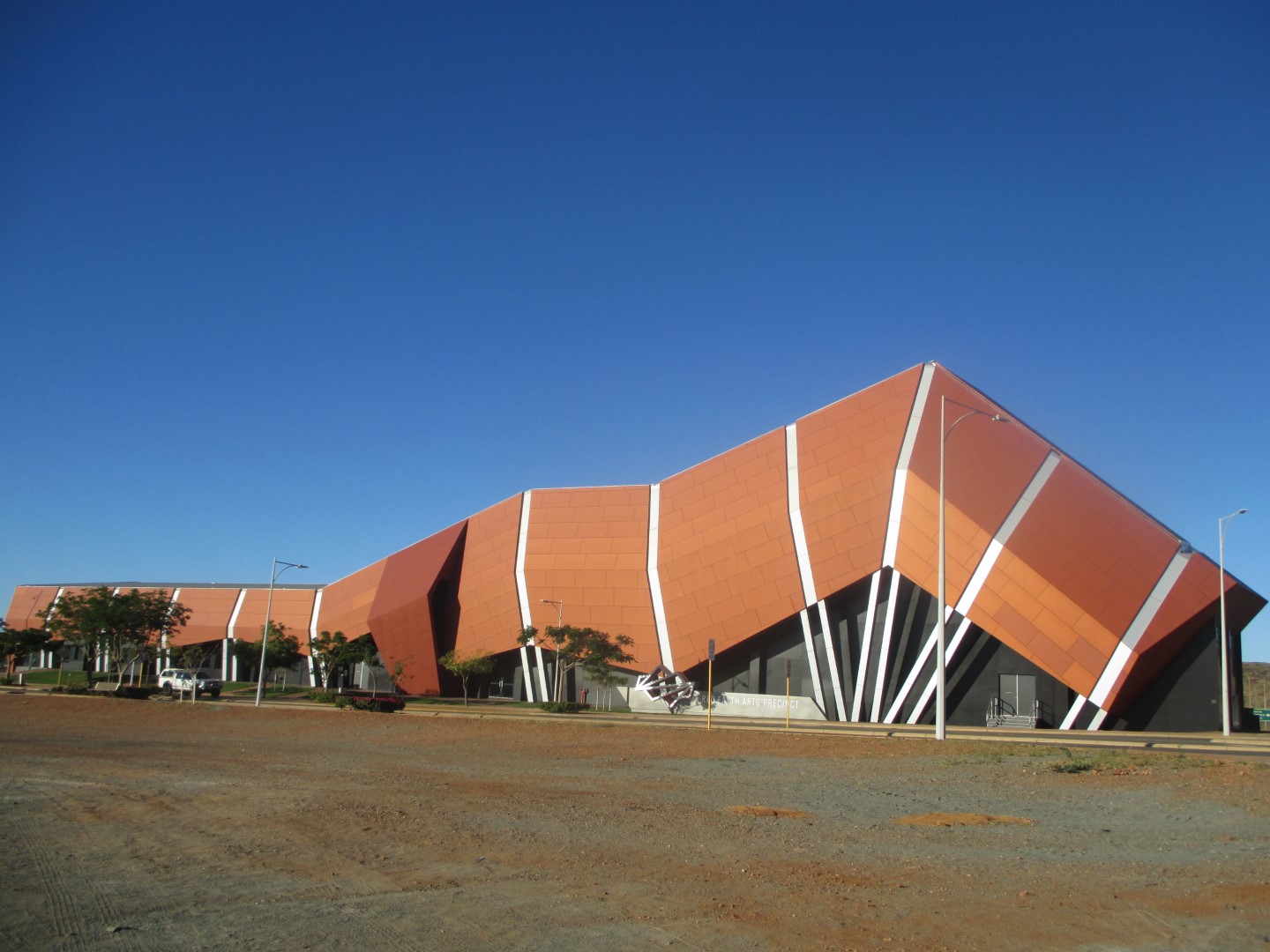
Port Hedland

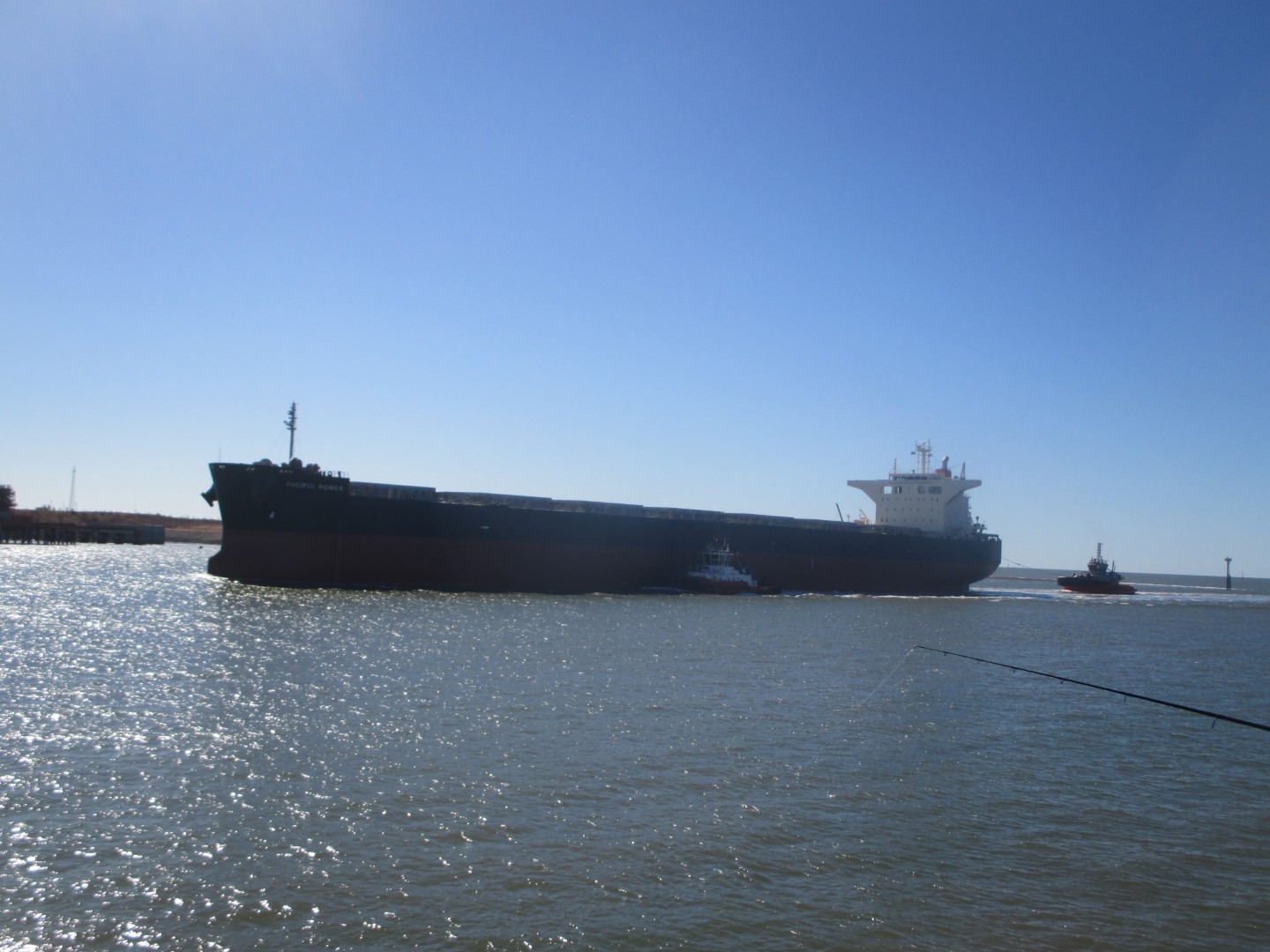
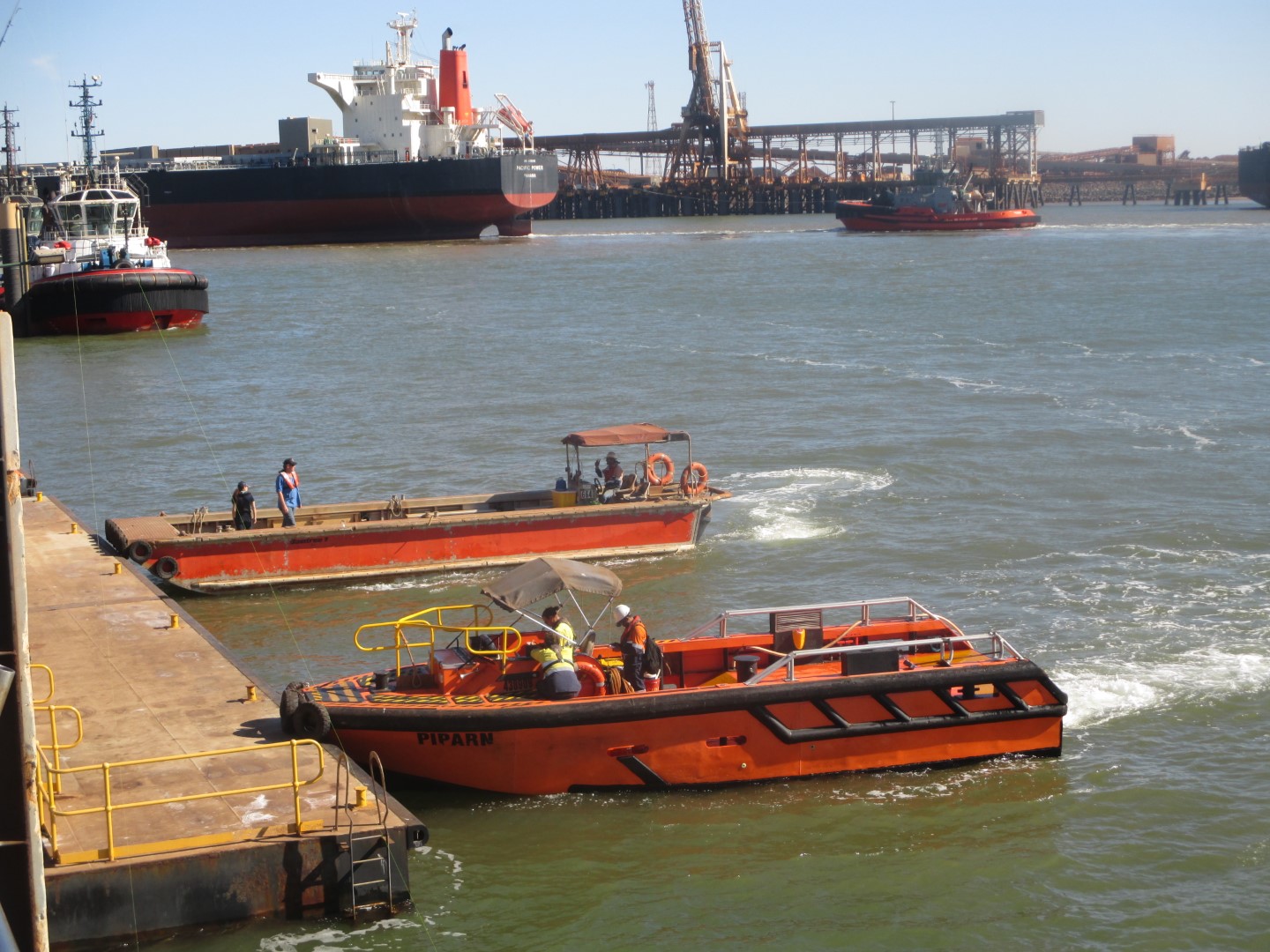
Port Hedland is the second largest town in the Pilbara region of Western Australia. It is also the site of the highest tonnage port in Australia, with its natural deep anchorage harbour which, as well as being the main fuel and container receiving point for the region, was seen as perfect for shipment of the iron ore being mined in the ranges located inland from the town. The ore is moved by railway from four major iron ore deposits to the east and south of the Port Hedland area. The port exported 519,408,000 tonnes of iron ore in 2017/2018.

Other major resource activities supported by the town include the offshore natural gas fields, salt, manganese, and livestock. Grazing of cattle and sheep was formerly a major revenue earner for the region, but this has slowly declined. Port Hedland was also formerly the terminus for the WAGR Marble Bar Railway, which serviced the gold mining area of Marble Bar from July 1911 until closure on 31 October 1951.

Located between Port Hedland and South Hedland are the large salt hills of Dampier Salt, a subsidiary of Rio Tinto. These large mounds have almost become a tourist attraction in their own right.

Cape Keraudren

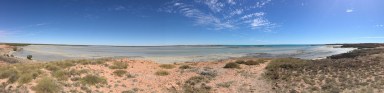
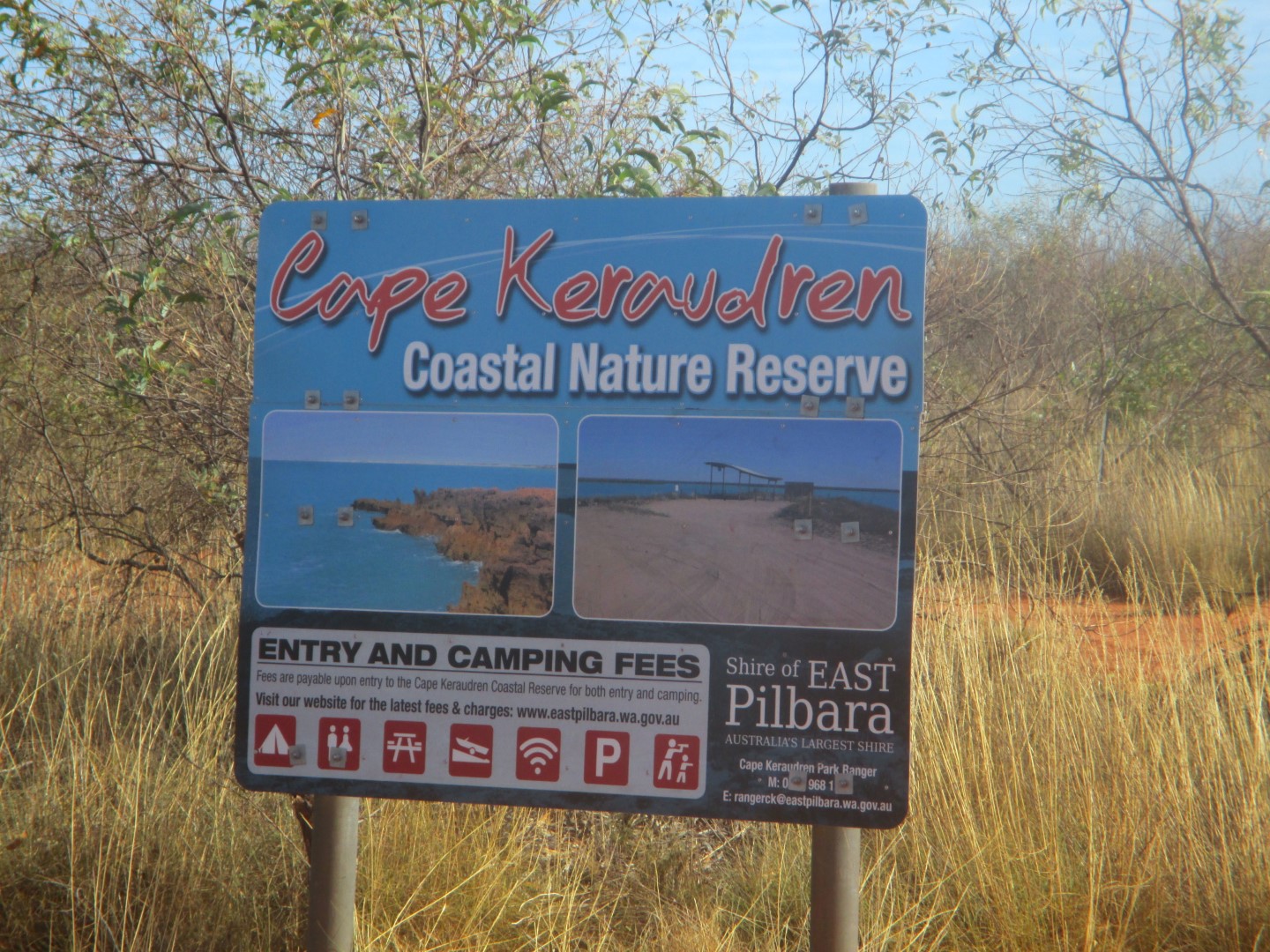
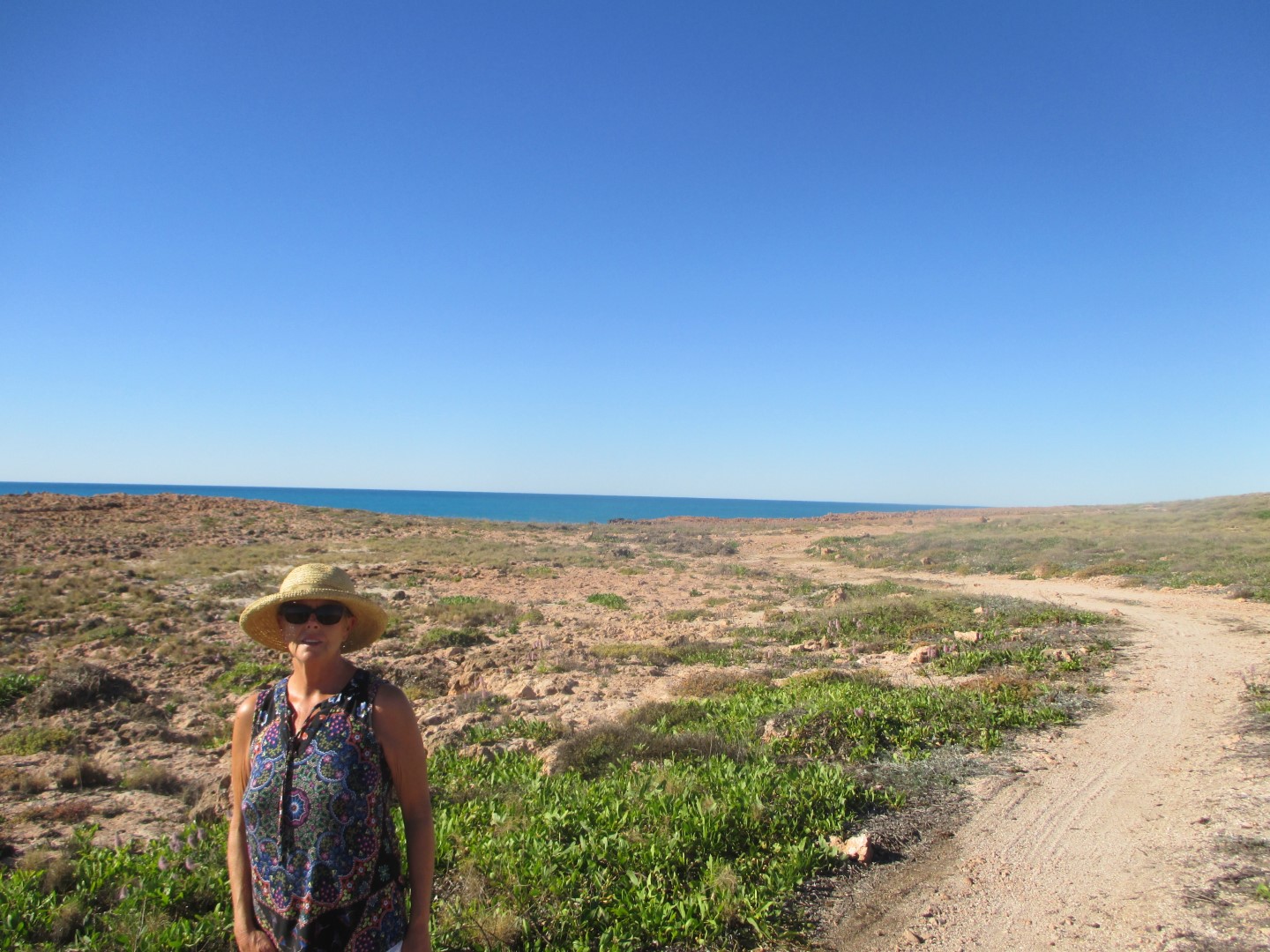
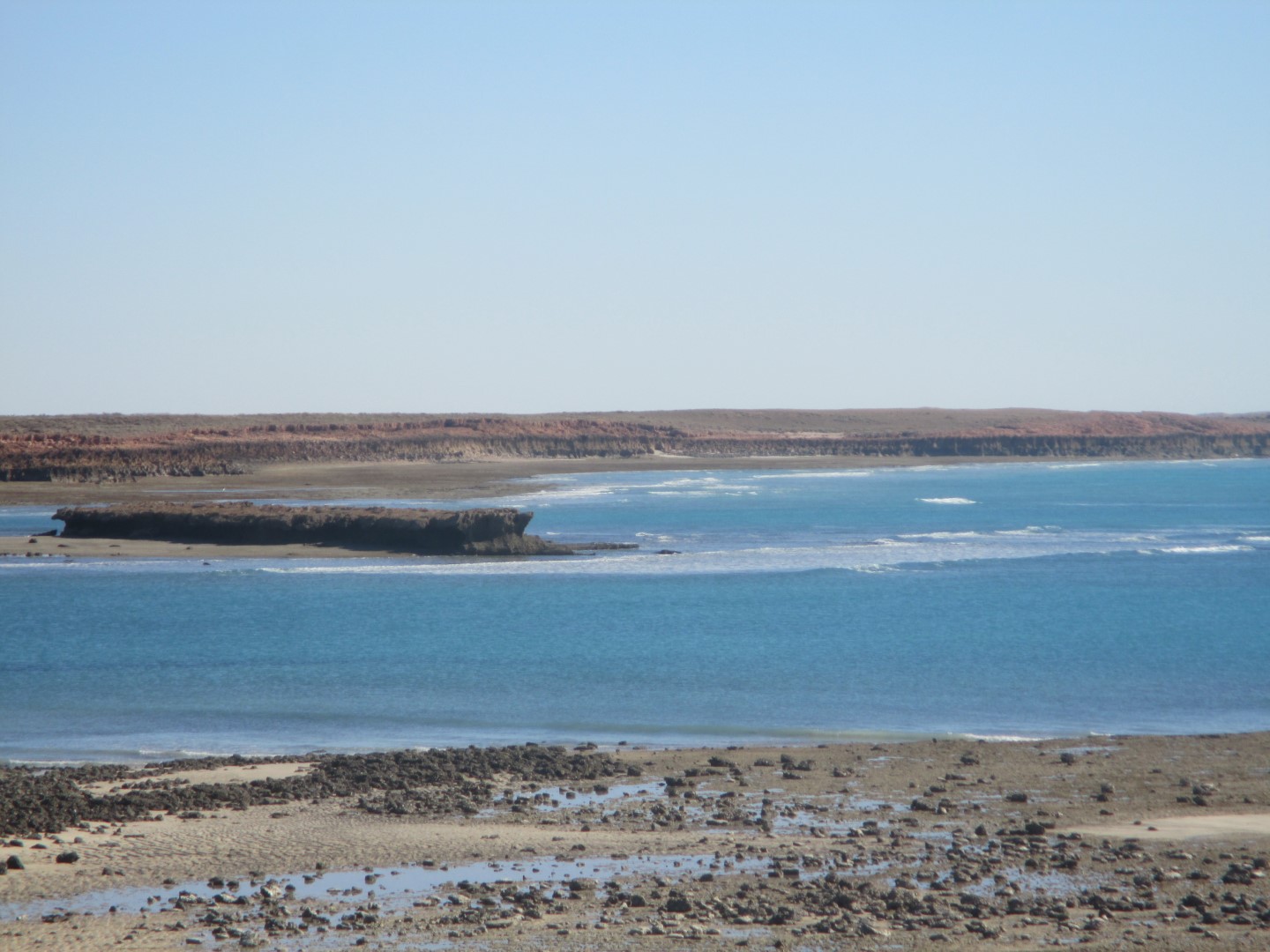
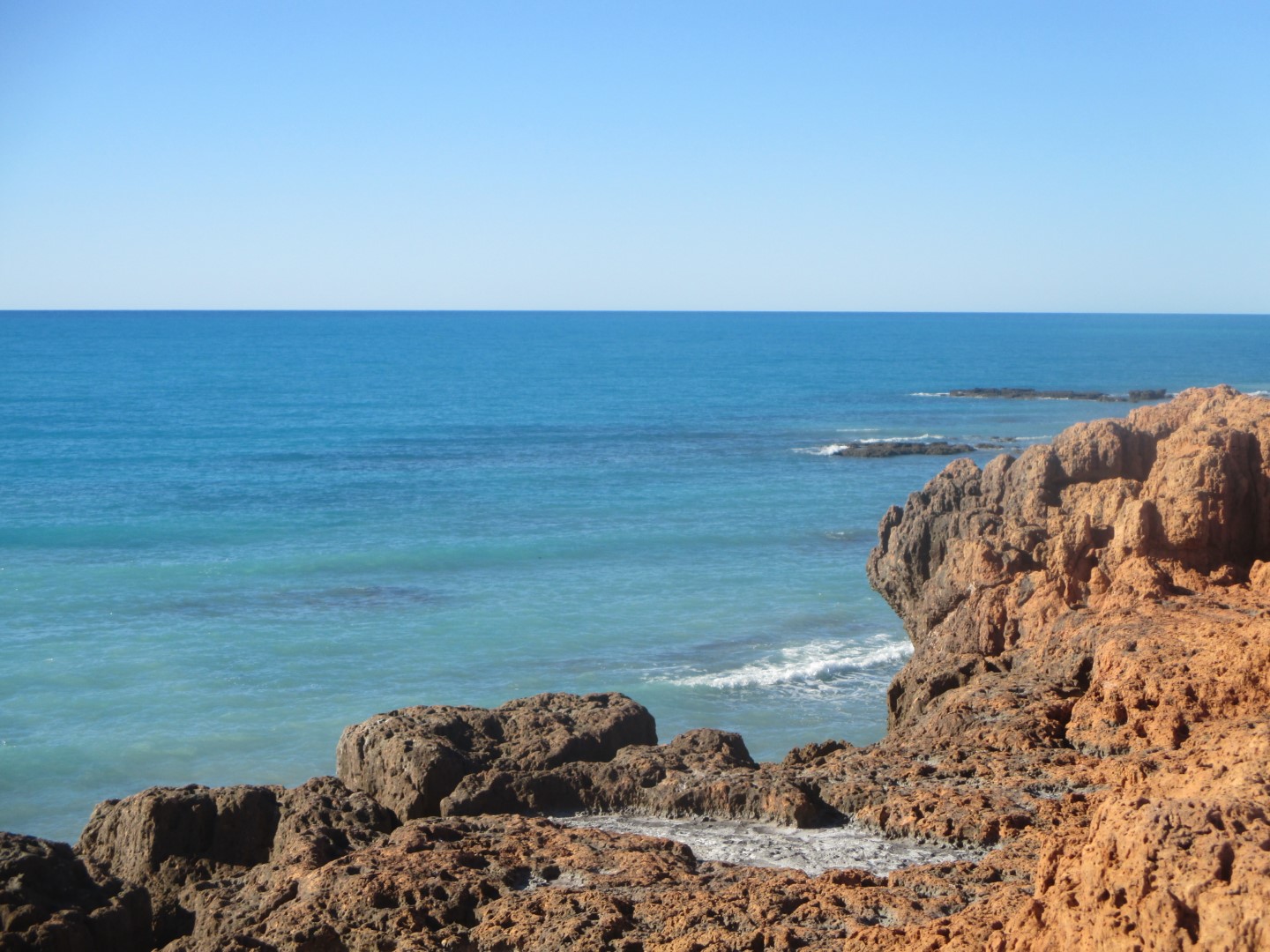
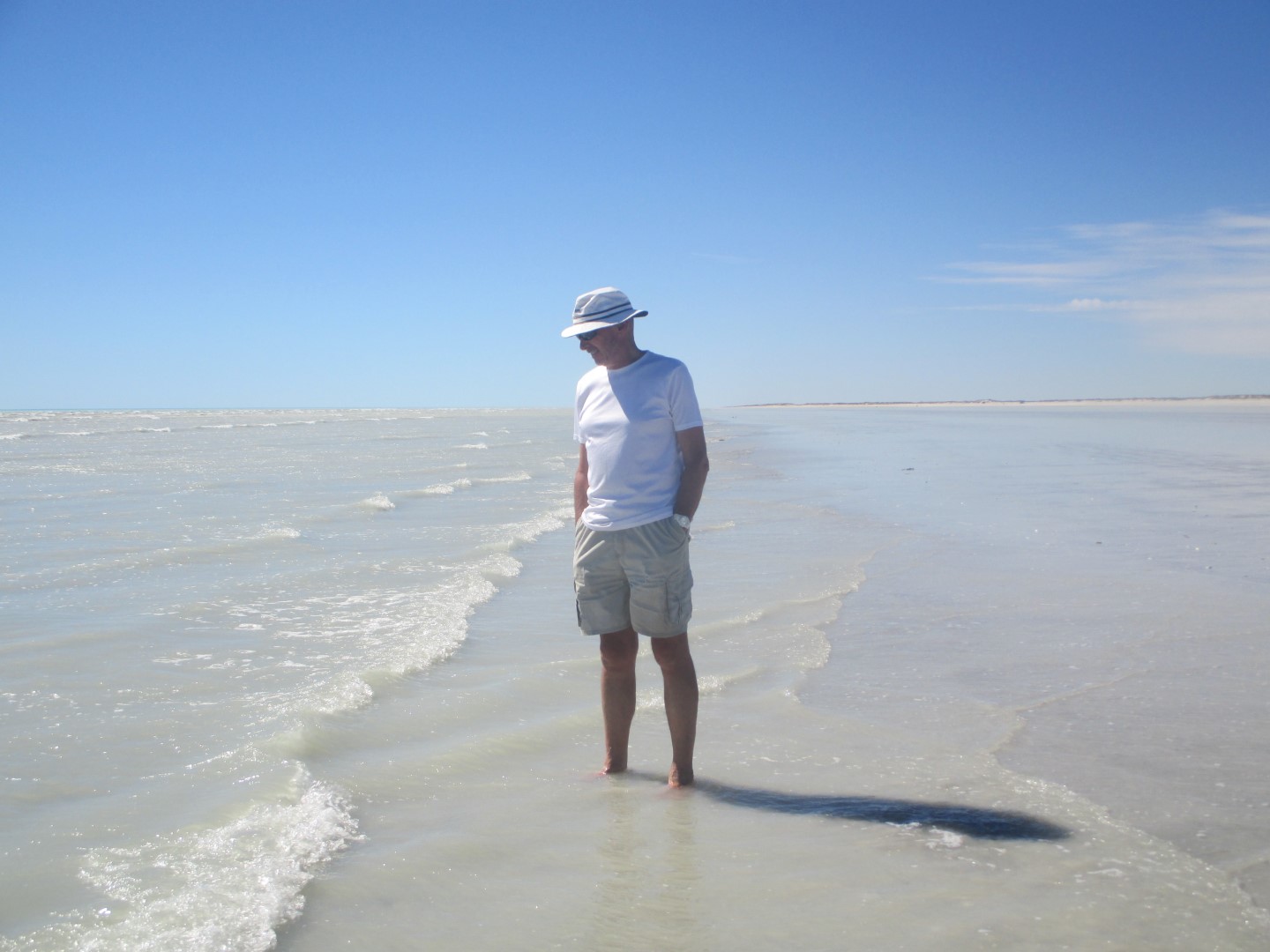
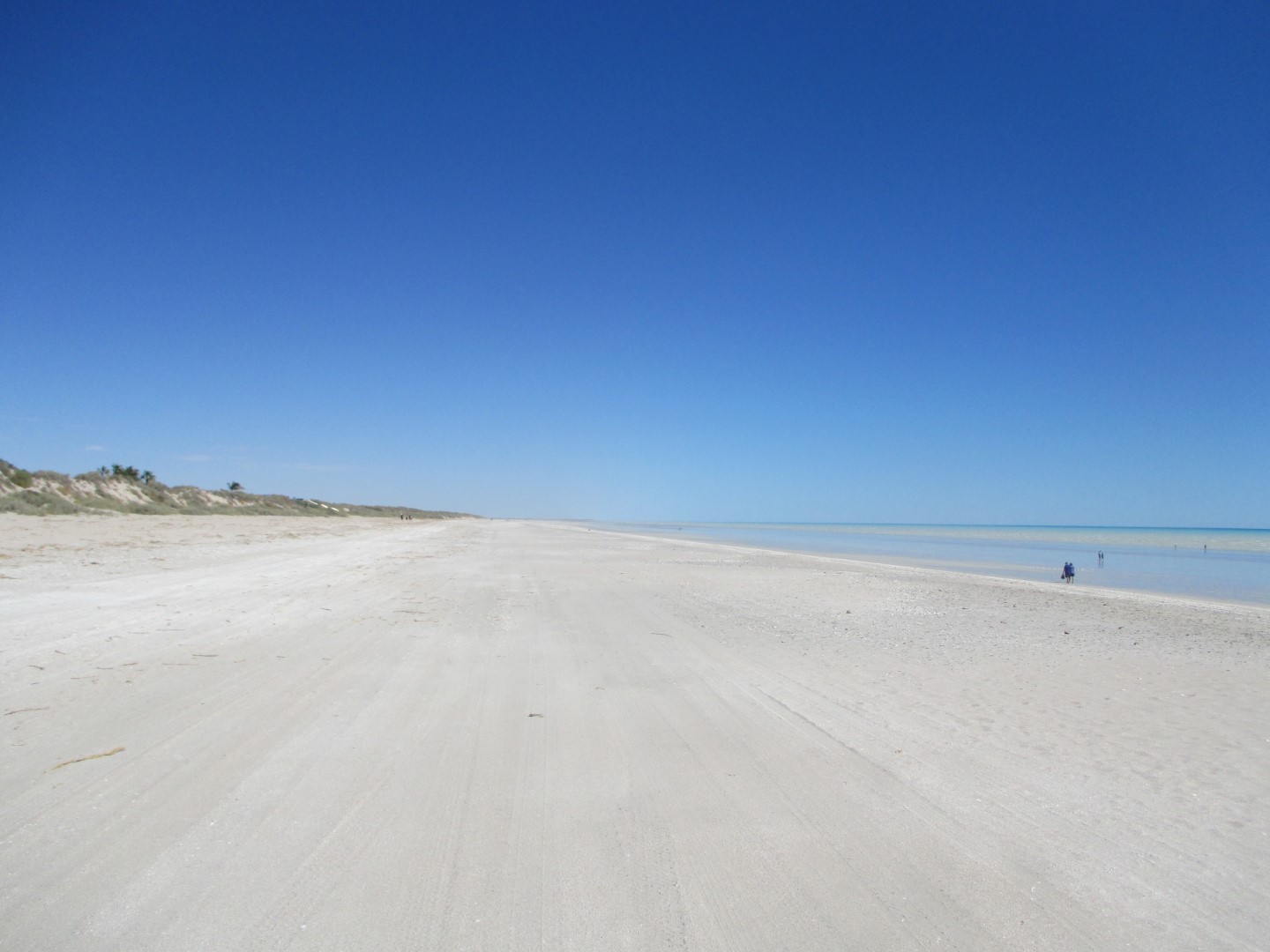
The Cape Keraudren Coastal Reserve is located on the coast 179 Kms north of Port Hedland. It is a low-key recreational area where disturbance to the environment has been kept to a minimum. It lies on a picturesque white-sand beach that stretches as far as the eye can see. The clear blue water is a spectacular welcome to the start of the famous Eighty Mile Beach.

This place was one of the highlights of our last trip to WA. Whilst still beautiful, it has become more popular and, unfortunately, the weather and the tides were against us this time so no major fishing successes.

80 Mile Beach

A return to this iconic beach which lies along the north-west coast of Western Australia about half-way between the towns of Broome and Port Hedland. It is a beach some 220 Kms (140 mi) in length, forming the coastline where the Great Sandy Desert approaches the Indian Ocean. It is one of the most important sites for migratory shorebirds, or waders, in Australia.

We found a new pastime here – it is called rod holding – the idea is to cast a line in the ocean and see who can hold the rod the longest without having a fish go anywhere near your bait. Most people were excellent at this – my record was 3 hours 42 minutes.
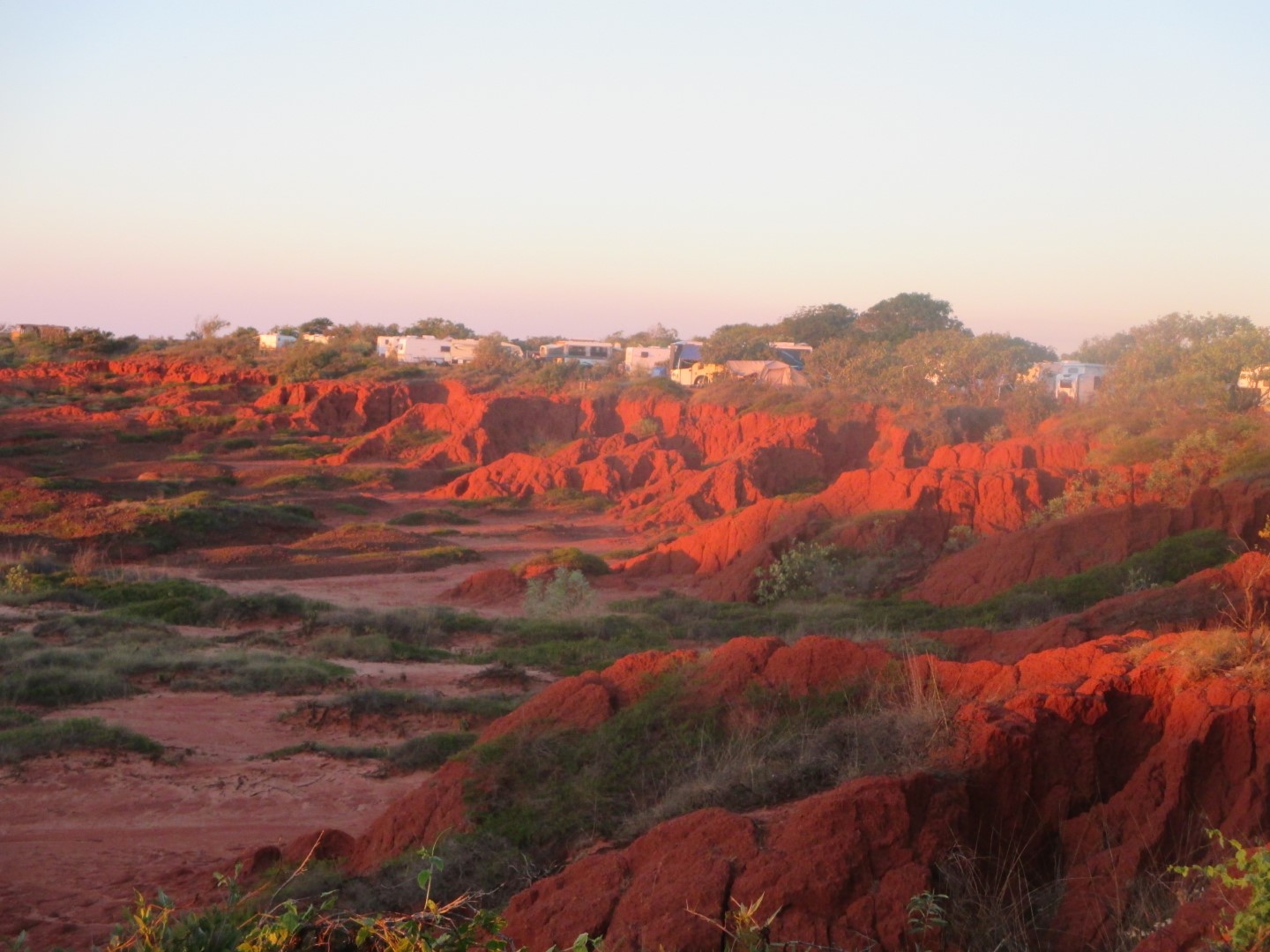
Barn Hill Station

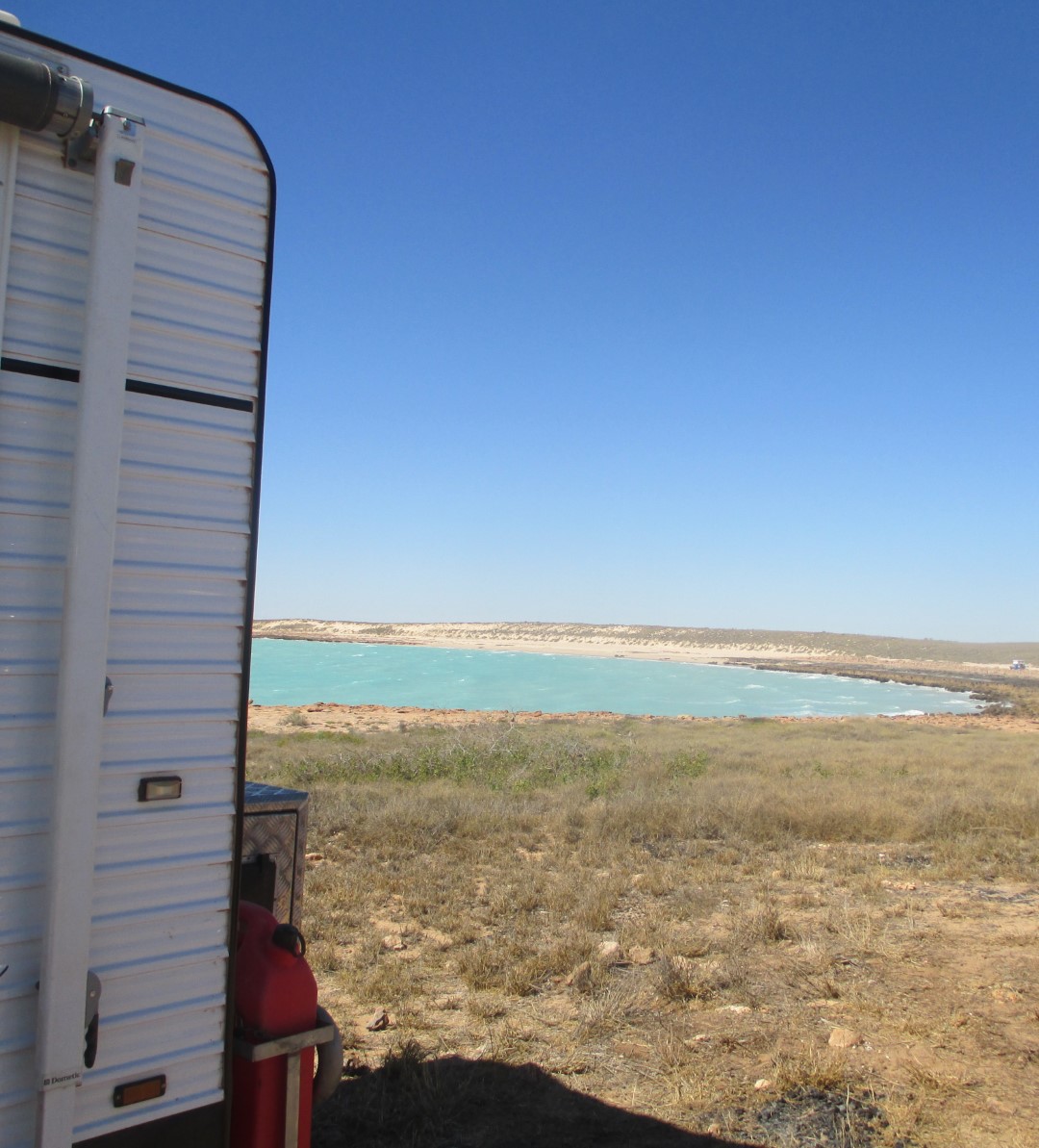
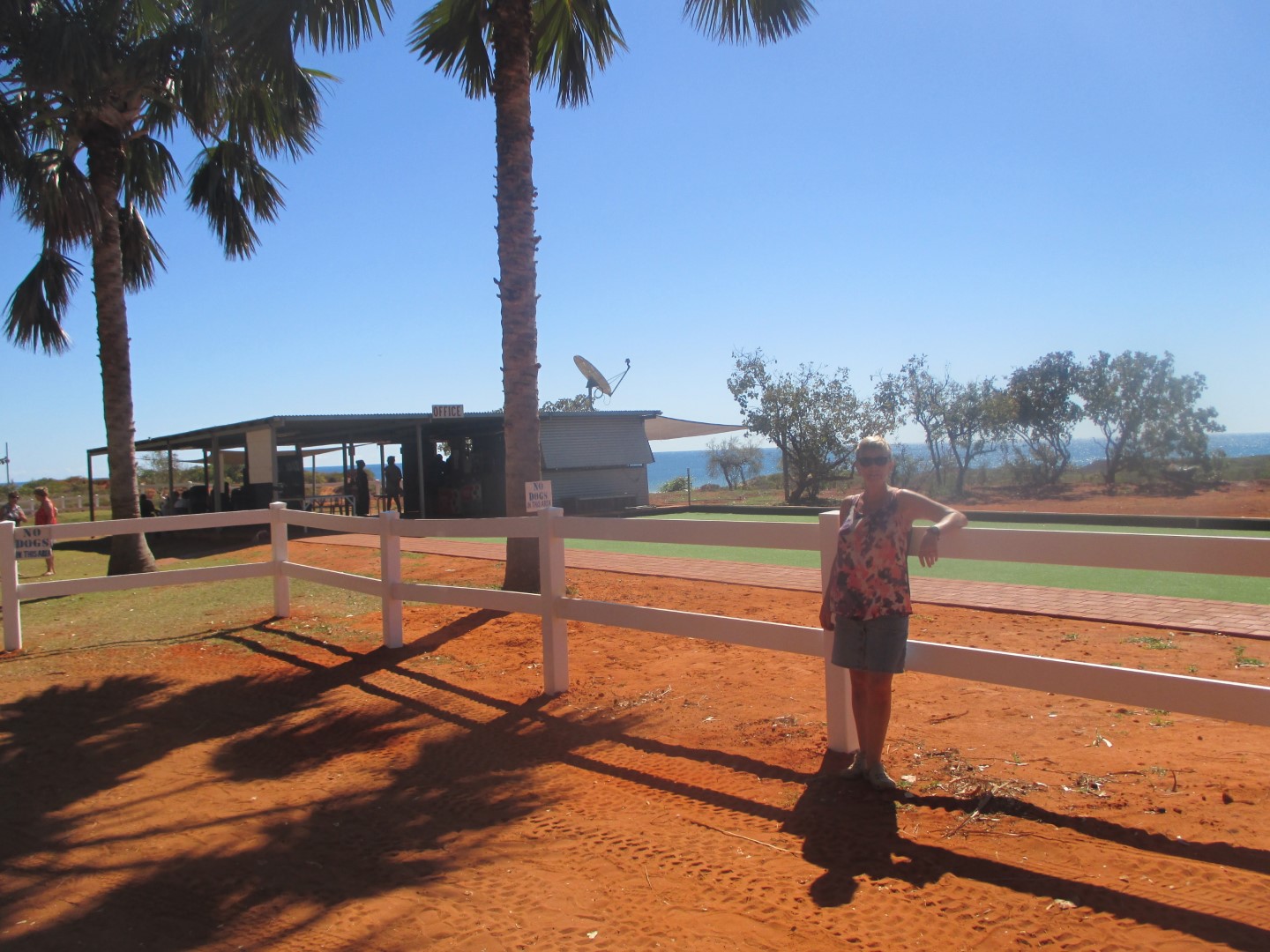
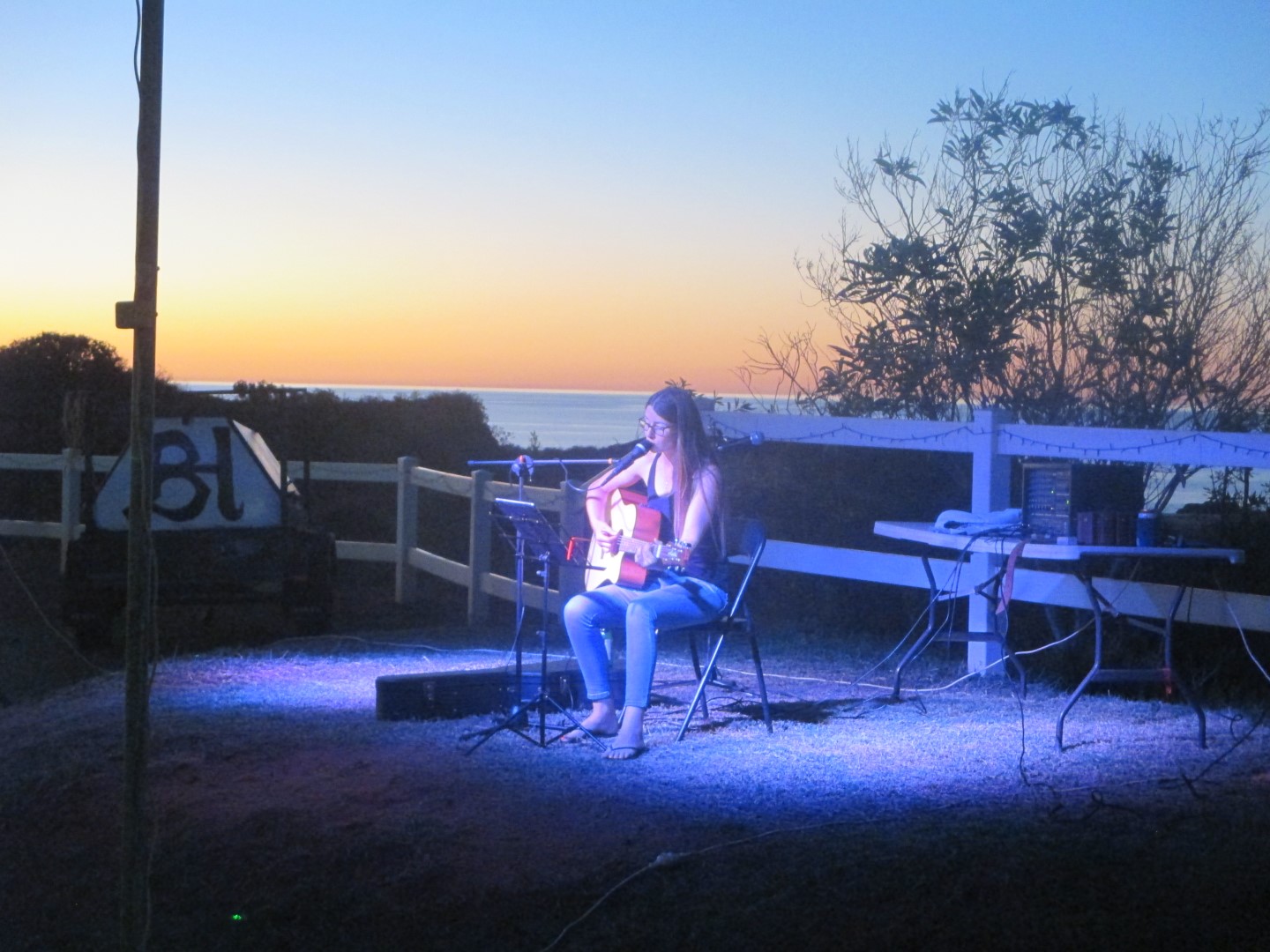
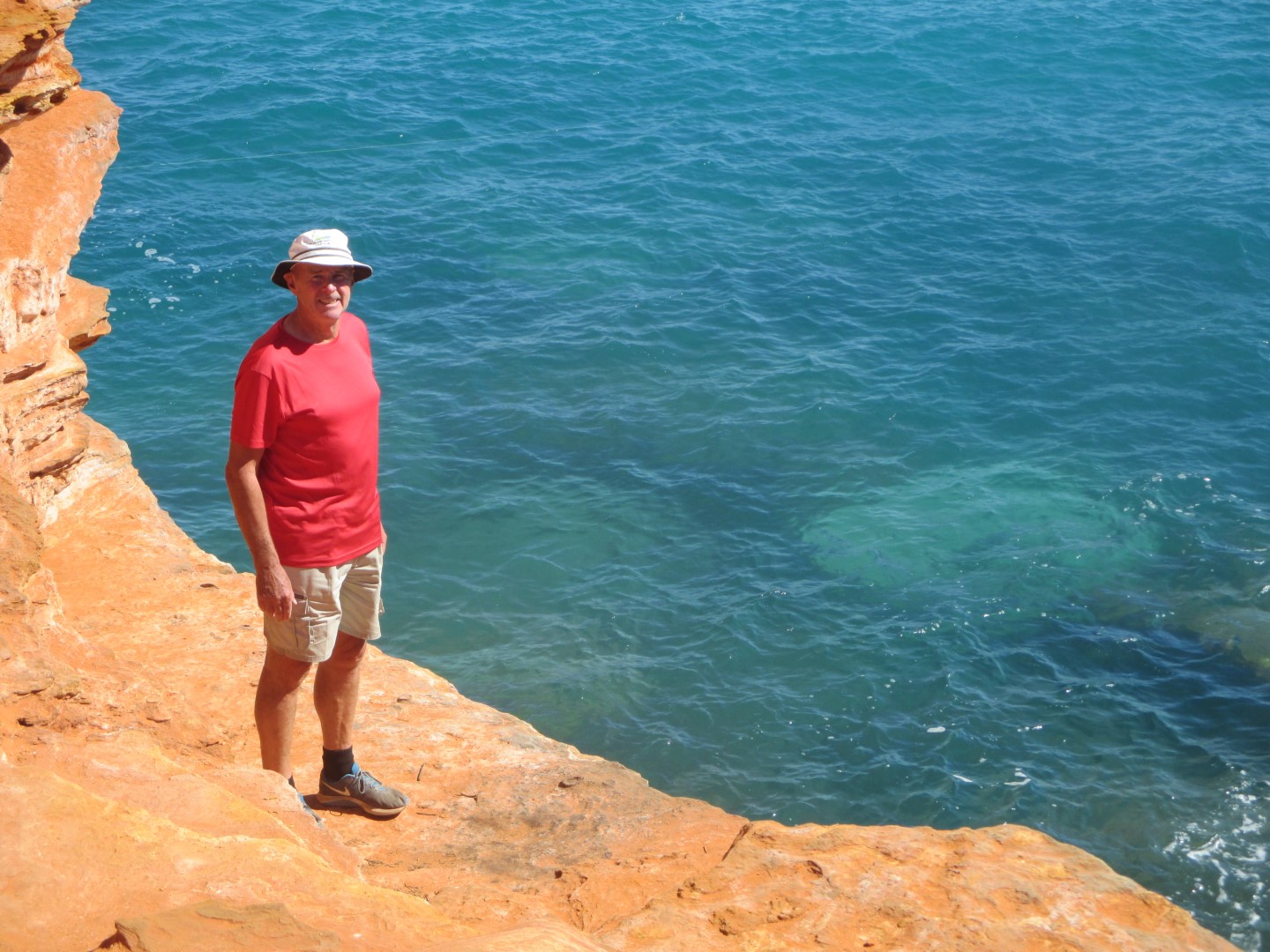
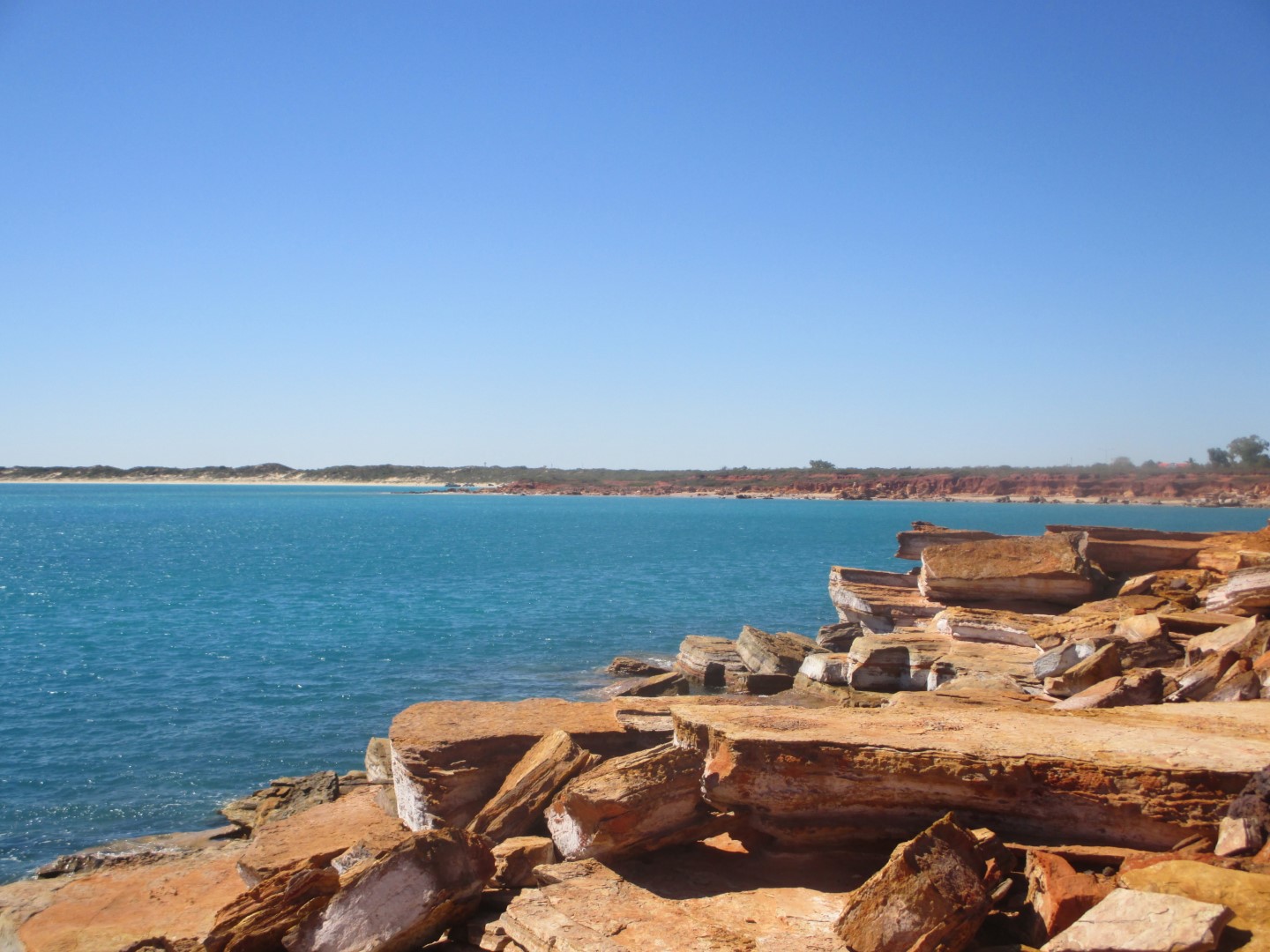
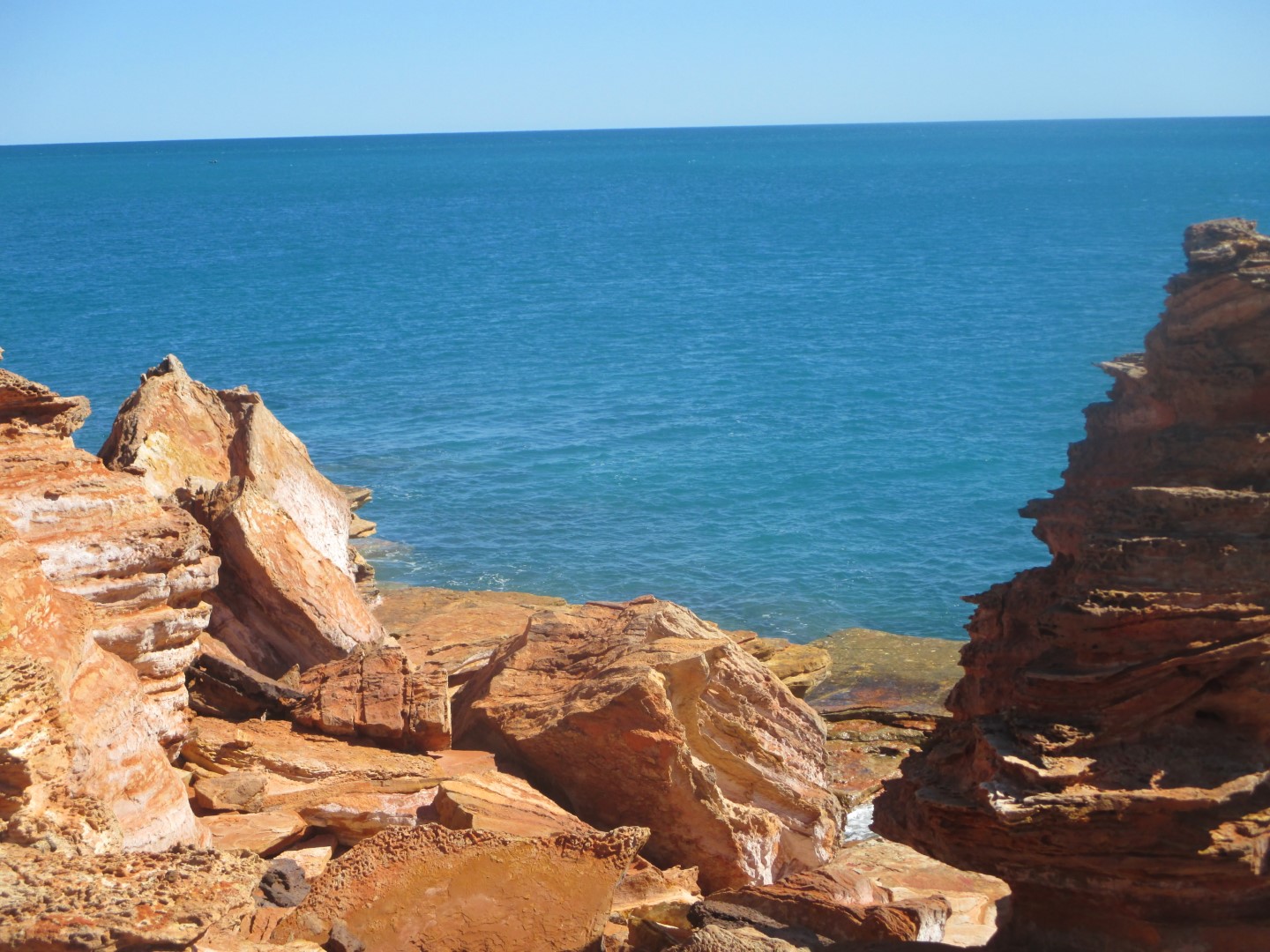
Barn Hill Station is a Kimberley Cattle Station overlooking the Indian Ocean. It is 450,000 acres with 8,00 head of cattle which they live export out of Broome. 128 Kms south of Broome and just a 50 metre walk to the ocean, it is a great place to relax and have a fish on the beach. So we chill out for a couple of days. No fish to speak of but still good fun. Joined 200 other campers for a Sunday Roast and entertainment on Sunday evening.

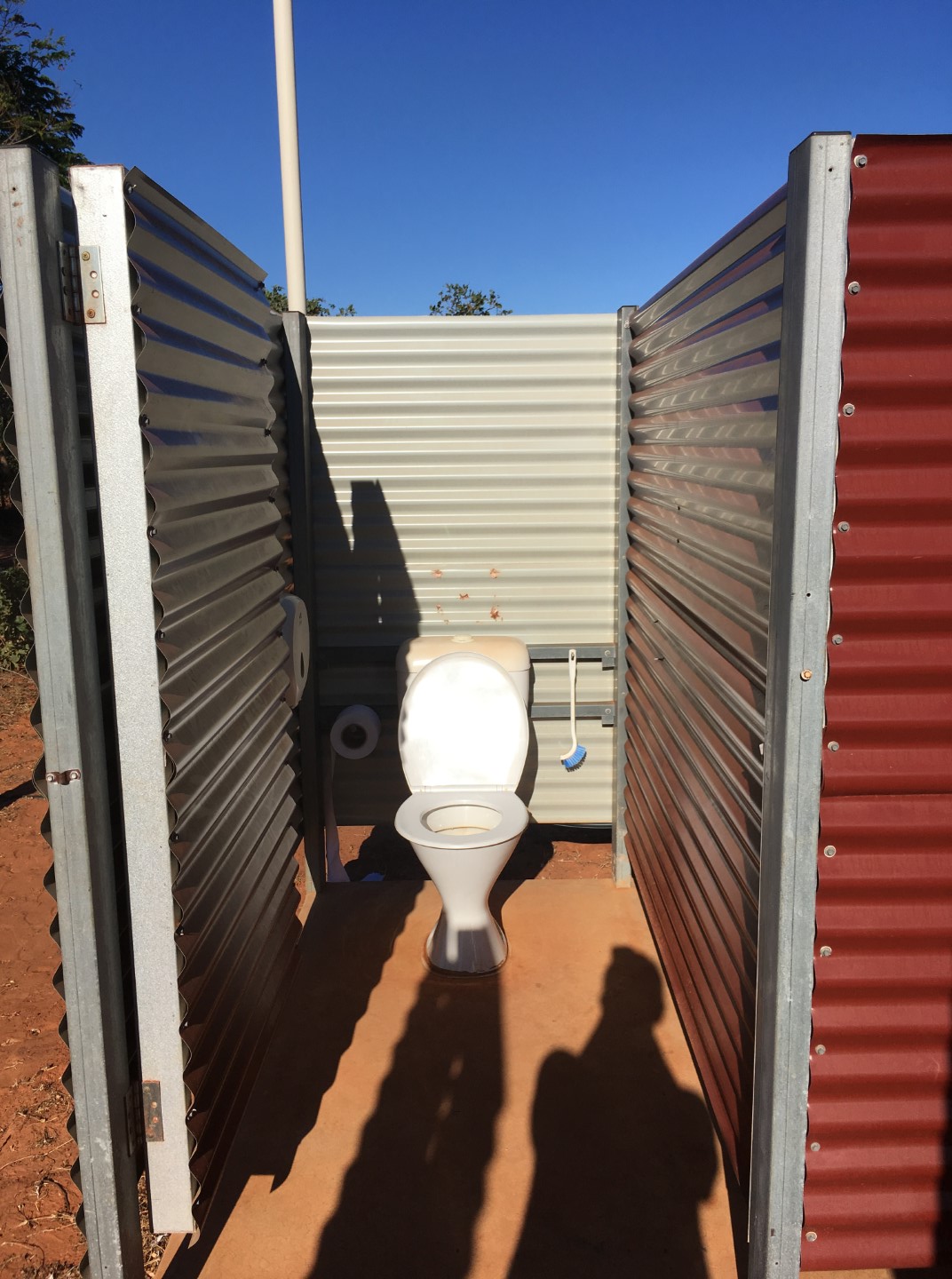
Interesting loos and showers at Barn Hill. Open air loos and shower water heated by big loops of black pipes circled on the ground – cold showers first thing in the morning.