Albany

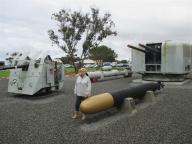
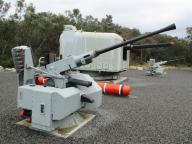
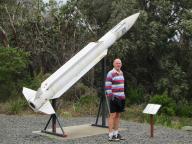
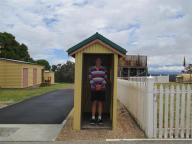
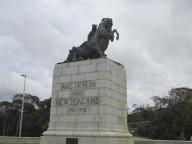
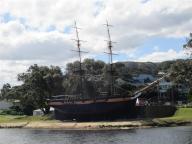
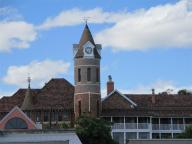
Albany is a port city in the Great Southern region of Western Australia, 418 km SE of Perth, the state capital. It is the oldest permanently settled town in Western Australia, predating Perth and Fremantle by over two years. Albany was founded on 26 December 1826 as a military outpost of New South Wales as part of a plan to forestall French ambitions in the region.

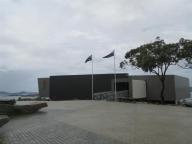
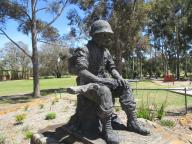
Today the town is a significant tourist destination and base from which to explore the south-west of the state, and is well regarded for its natural beauty and preservation of heritage. The town has an important role in the ANZAC legend, being the last port of call for troopships departing Australia in the First World War. The brand new National Anzac Centre documents a 100 years history of the Anzac legend.
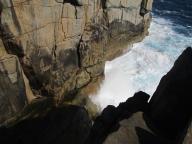
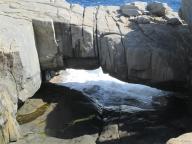
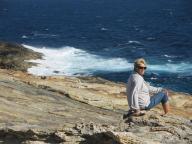
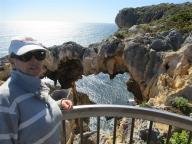
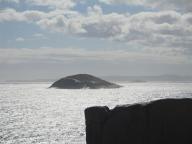
Just accross the bay from Albany is the Torndirrup National Park which sits directly on the Southern Ocean and contains a couple of amazing natural structures – The Gap and the Natural Bridge.
Walpole

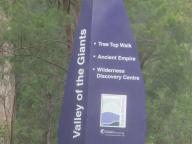
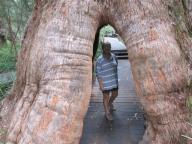
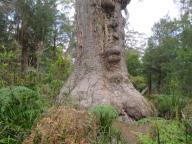
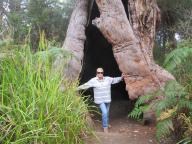
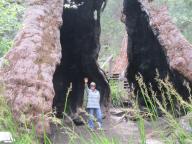
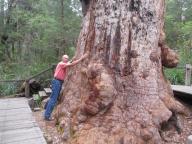
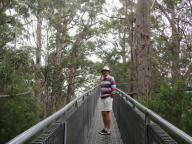
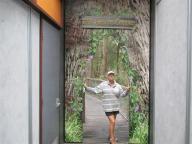
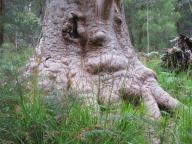
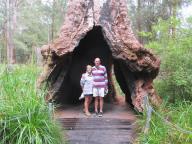
Walpole is our next stop on the south coast heading east from Windy Harbour. Land in the Walpole area was reserved for a national park in 1910, and the area subsequently became a popular holiday destination. The area is famous for the giant tingle and karri trees of old growth forest. Another attraction is the Valley of the Giants Tree Top Walk in the Walpole-Nornalup National Park. Words cannot describe the incredible beauty of the huge trees in this area.

Windy Harbour

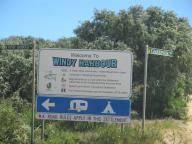
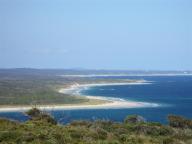
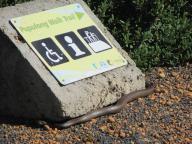
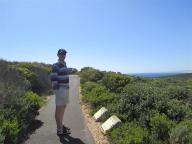
We leave Bunbury and head towards the south coast of Western Australia intending to follow the coast east and then head up to Kalgoorlie. First stop is Windy Harbour which gets 2 out of 2 for its name, yes, it is a harbour and it is windy. It is also quite cool as we are now next to the Southern Ocean with the wind coming directly from the Antarctic. Windy Harbour is part of D’Entrecasteaux National Park, where we visited the spectacular Nature’s Window. We also had another close call with one of Australia’s most venomous snakes, a brown snake.
Bunbury

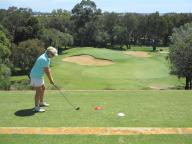
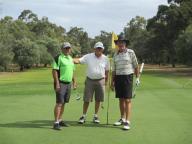
The main reason for visiting Bunbury was to play in the annual Australian Veteran Golfers Championships. The tournament was played over four days at four different golf courses – Busselton, Bunbury, Capel and Sanctuary. All the courses were excellent but, unfortunately, the golf did not match up. Siobhan won a nearest the pin prize (2 bottles of wine). Bob only managed to finish in the top 20 of A grade. However, there must have been a slow news day as Bob did make the local newspaper. (Please note that the headline next to Bob’s picture referred to another player !!).

Heading To Bunbury

Time now to head back up to Bunbury for the Vets Golf Tournament. With a quick stop on the way at Busselton to celebrate Siobhan’s birthday. We meet up with Matt and Maria, Jim and Maureen and Nev and Eddie, fellow members from Pelican Waters … and the serious business begins.

Hamelin Bay and Augusta

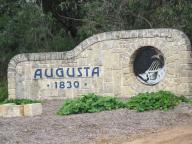
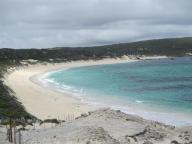
Heading south towards the furthest south westerly part of Australia (Augusta) we camp at Hamelin Bay, using it as a base to head to Augusta where we found 2 interesting facts. 1 – we were actually physically closer to the South Pole than we were to our home in Pelican Waters, and 2 – we could stand with one foot in the Indian Ocean and the other foot in the Southern Ocean (if it wasn’t so cold !). Augusta is the nearest town to Cape Leeuwin, on the furthest southwest corner of the Australian continent.

Cows, Cows And More Cows

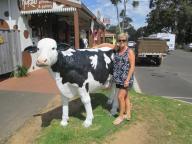
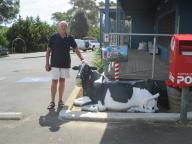
One of the tourist attractions in the Margaret River Region is Cowaramup. Originally the town derived its name (boringly) from the Cowaramup Siding, which was located near the townsite, on the now disused Busselton to Augusta railway. The name is believed to be derived from Aboriginal word Cowara, meaning Purple-crowned Lorikeet. Locals from the region often refer to the town as “Cowtown”, a reference to the use of “cow” in the town’s name and its history of dairy farming. And now the local authorities have gone to town using the cow theme throughout the town – you will understand when you look at the pics.

Ngilgi Cave

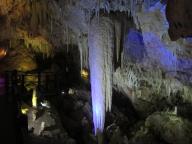
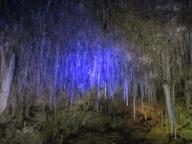
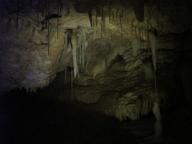
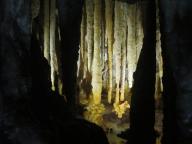
This cave system, previously known as Yallingup Cave, is a Karst cave to the northeast of Yallingup, in the southwest of Western Australia. It was discovered by Edward Dawson in 1899 when searching for stray horses. It was originally named for the nearby town of Yallingup but later renamed to acknowledge the cave’s part in Australian Aboriginal mythology. Ngilgi (pronounced Neelgee) was a good spirit who triumphed in battle against an evil spirit Wolgine. The story is part of the heritage of the Wardandi people who are the custodians of the caves in the area.

(Side note – the pictures were all taken by Siobhan as Bob succumbed to a bout of claustrophobia and left the cave system very soon after entering !).