Fitzroy Crossing And Geike Gorge

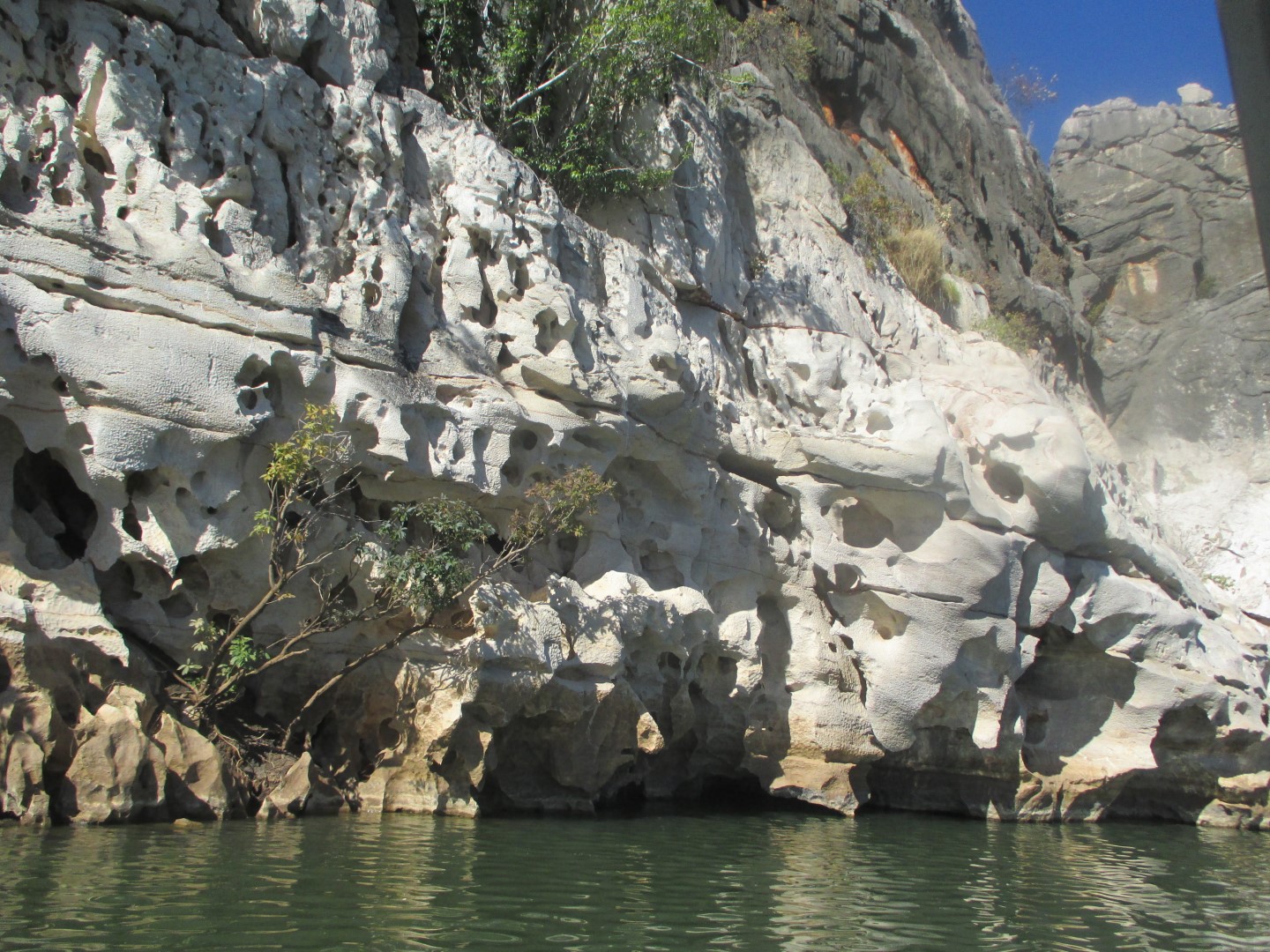
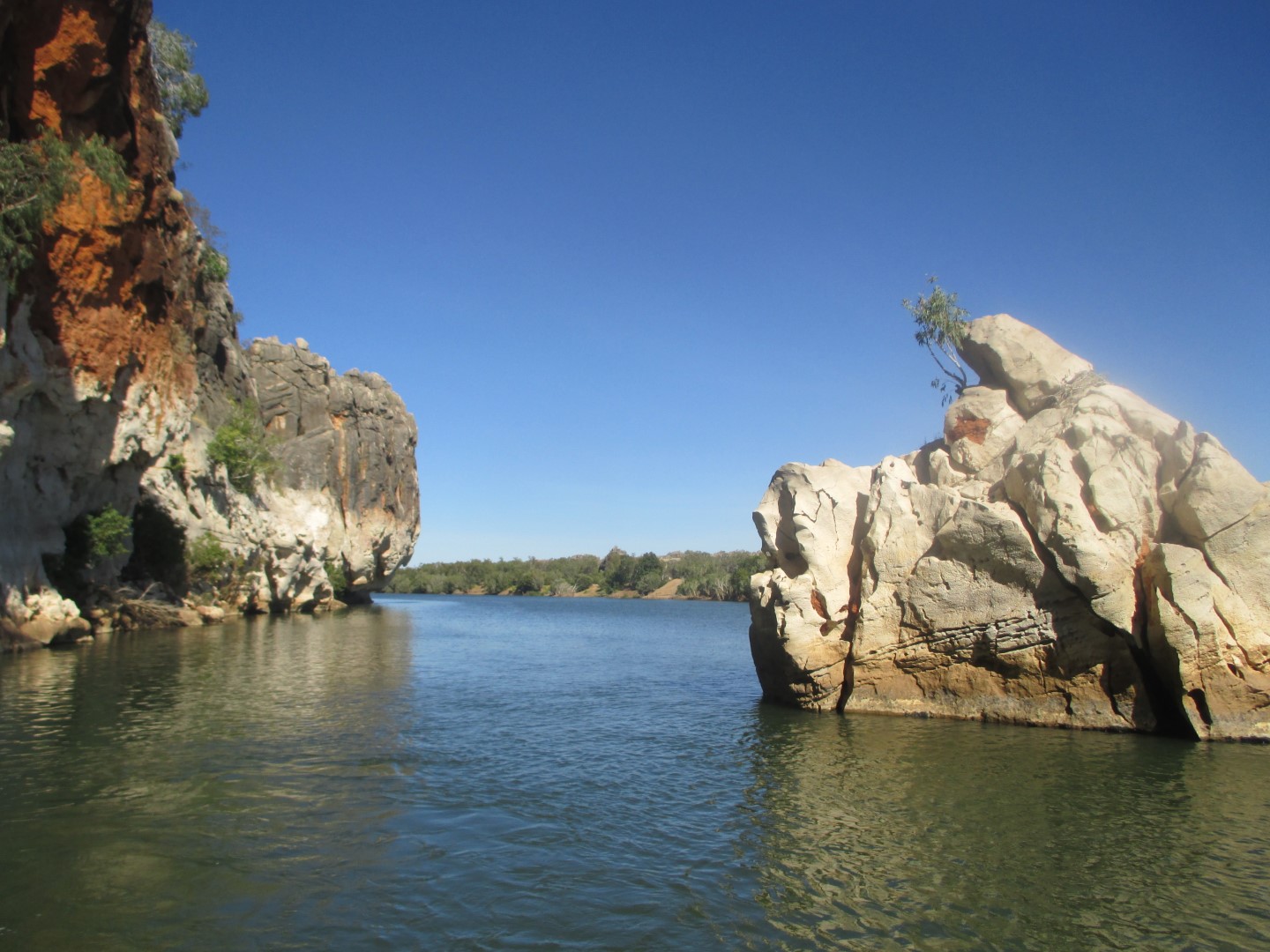
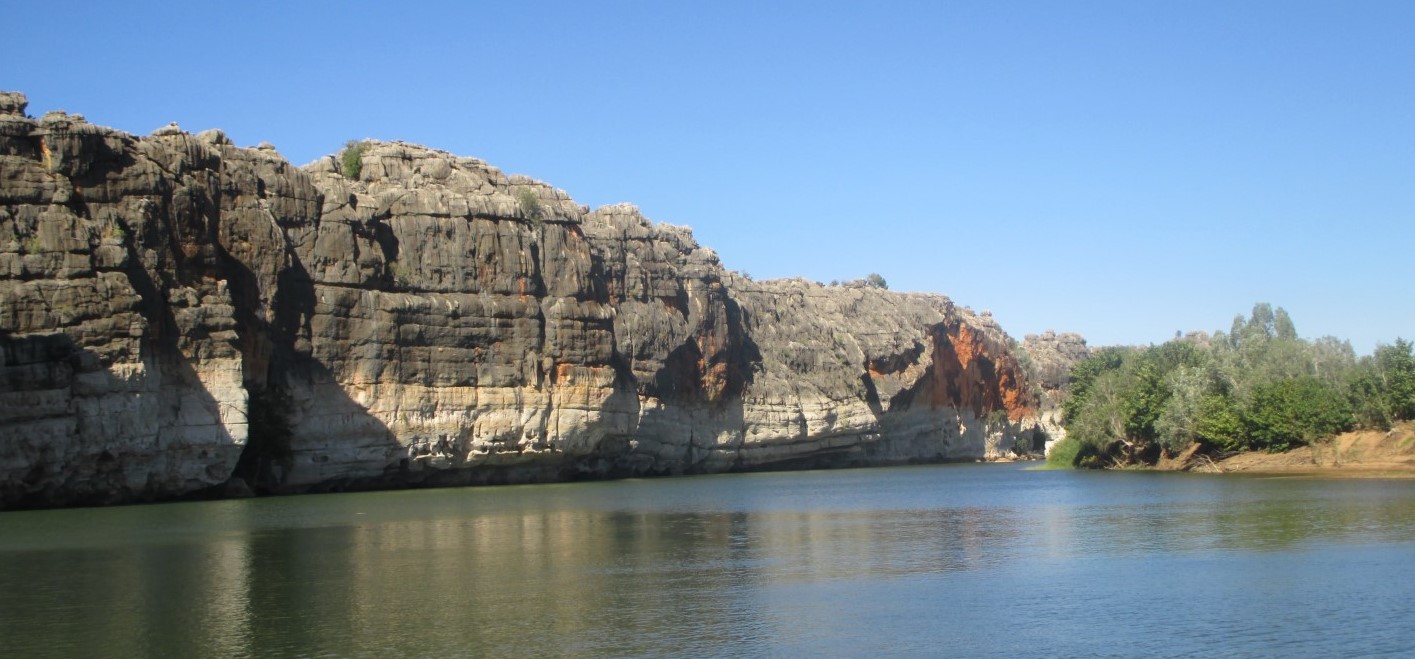
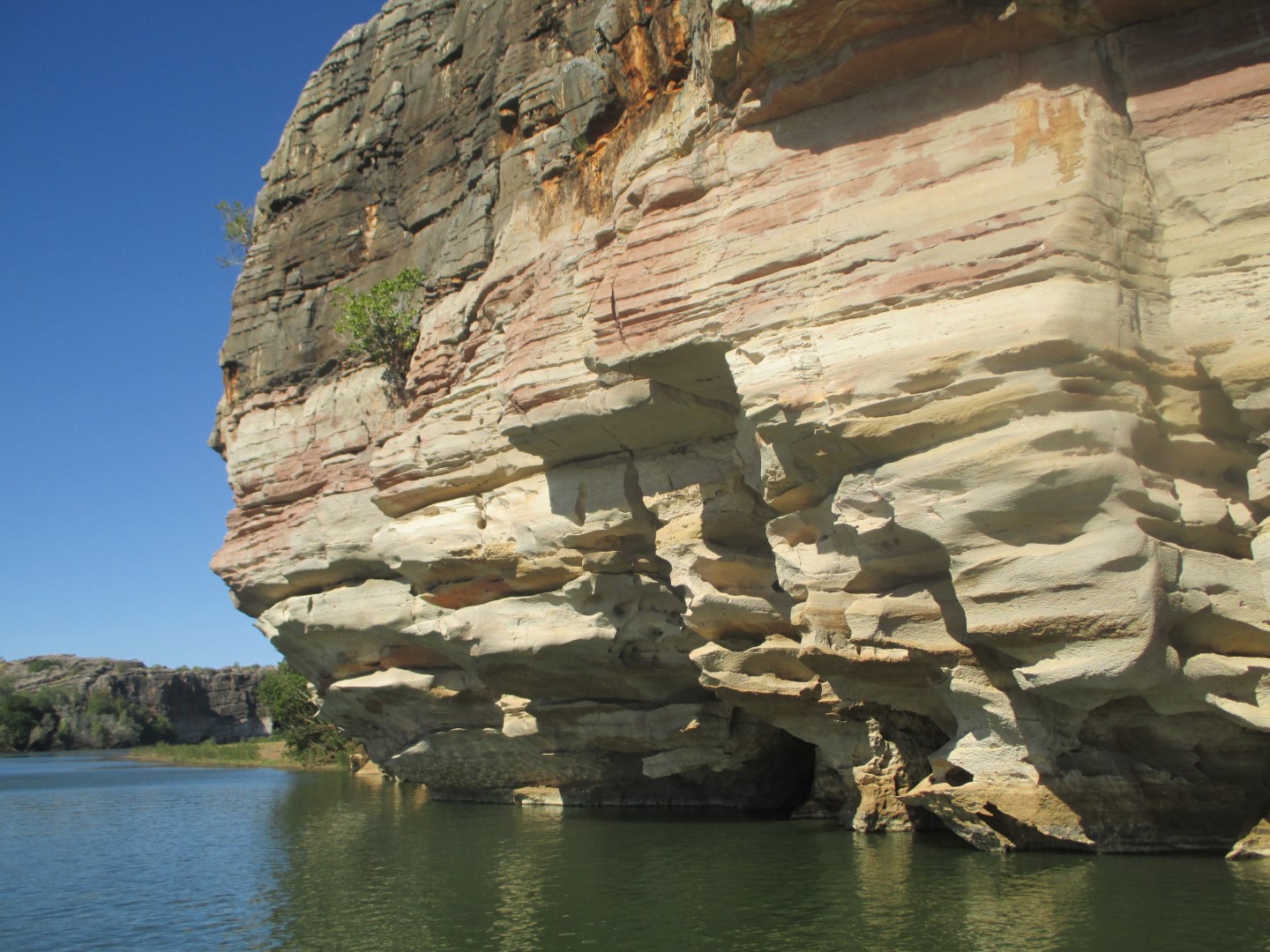
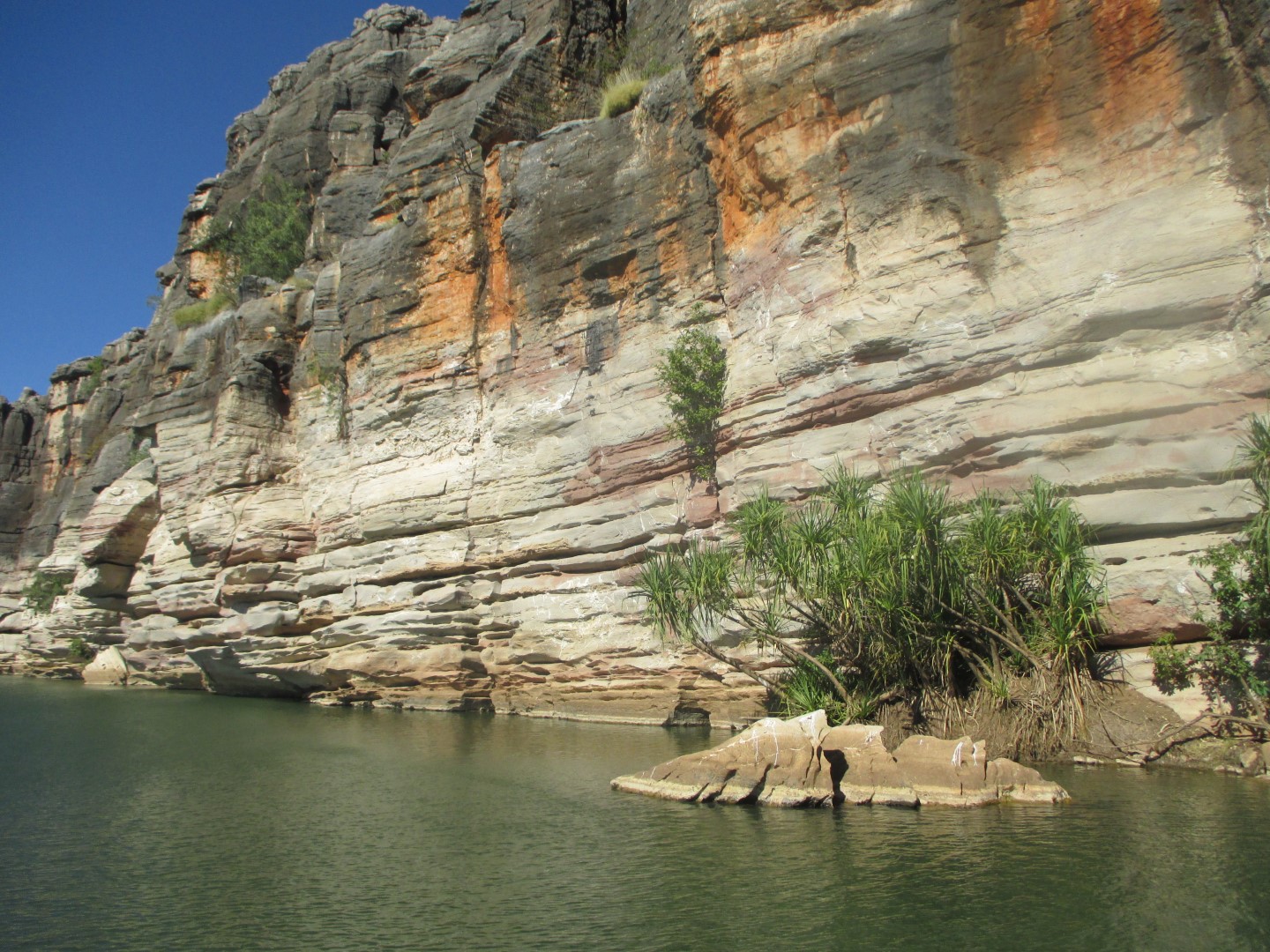
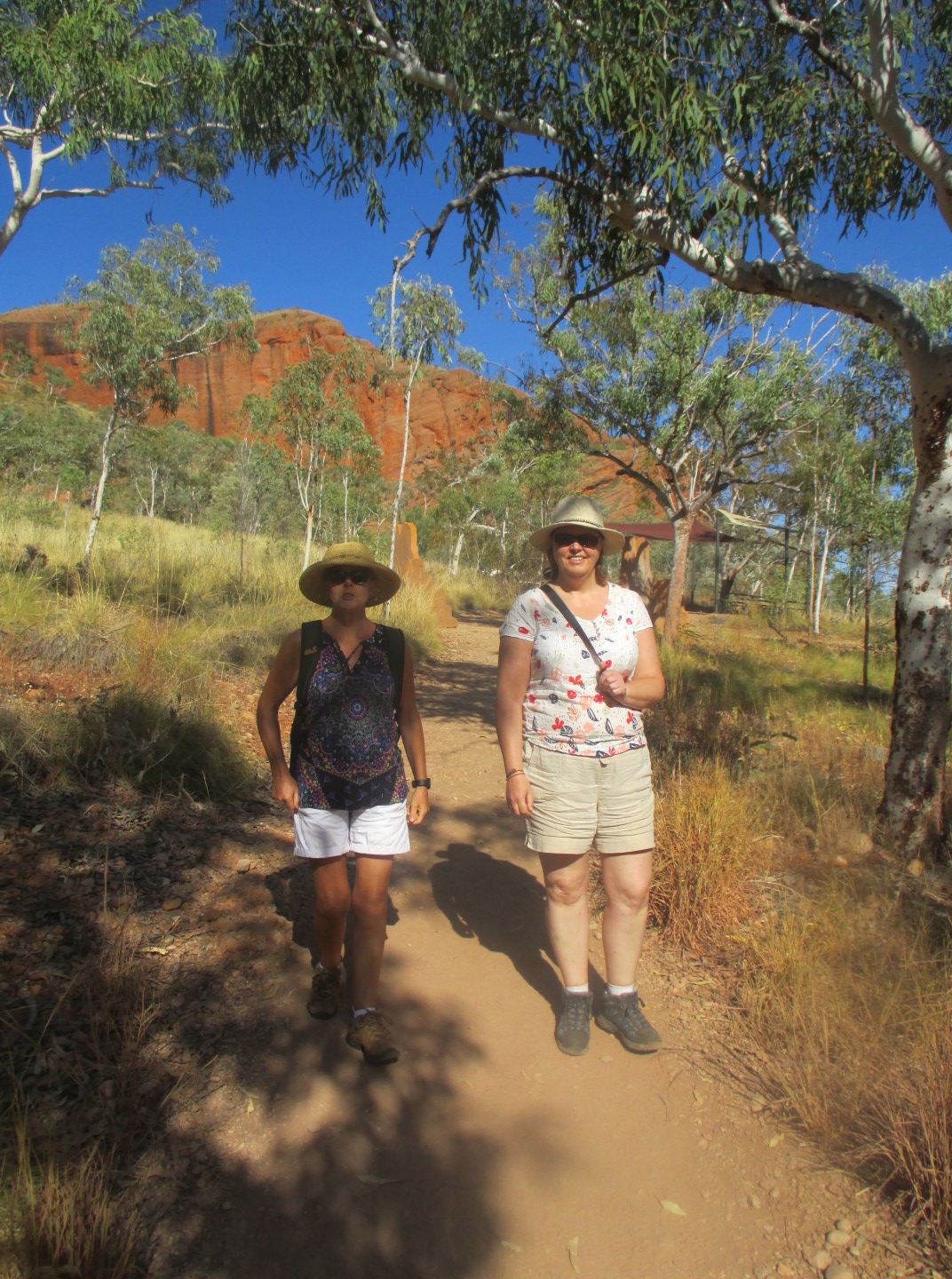
2 nights at Fitzroy Crossing gives us the chance to take a boat trip along the stunning Geikie Gorge, in its own National Park. The gorge was named in honour of Sir Archibald Geikie, the Director General of Geological Survey for Great Britain and Ireland when it was given its European name in 1883. Sir Archibald never visited the gorge and in due course the traditional owners, the Bunuba people, hope that it will be more generally known by its Aboriginal name, Darngku.

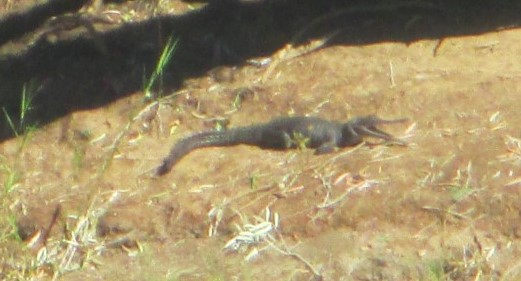
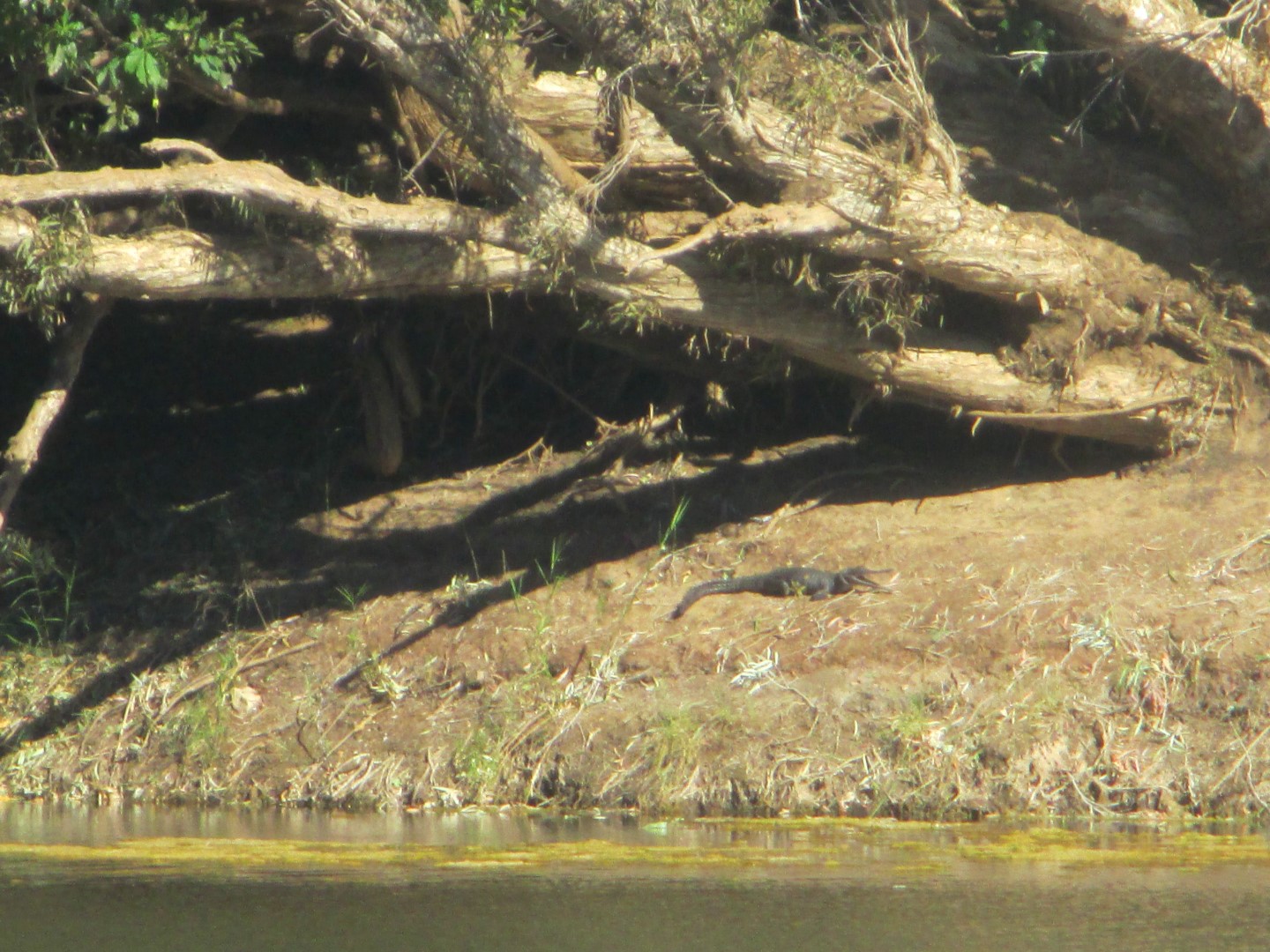
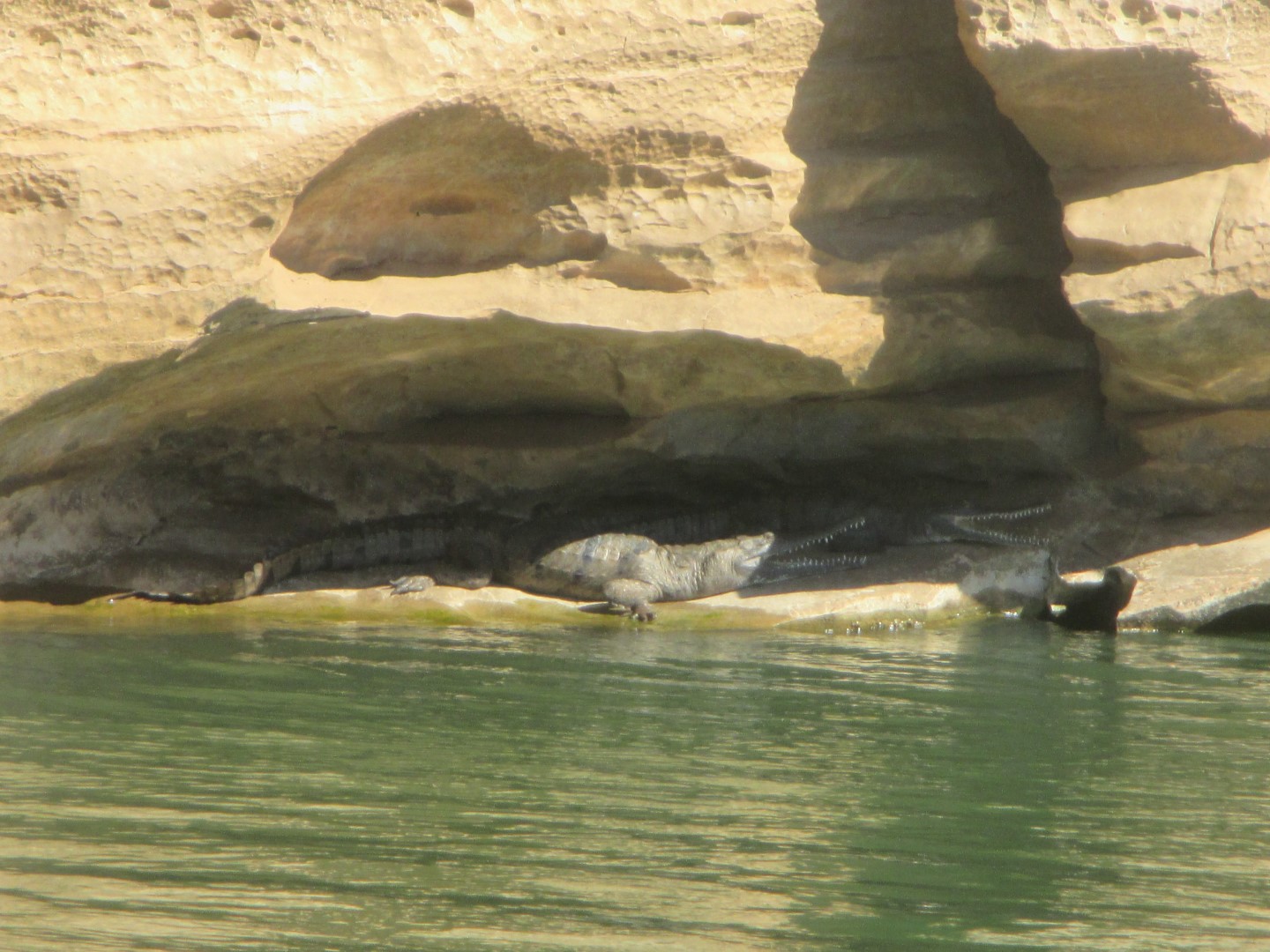
The gorge has been formed by the Fitzroy River and the level of the river in the wet season can rise by up to 16.5 metres (54 ft). The flood level can be clearly seen on the walls where the abrasive action of the floodwaters on the limestone has scoured the surface white. The limestone was originally a reef formed not by corals but by algae and lime secreting organisms that are now extinct. The river water sustains an abundance of life including barramundi, sawfish and freshwater crocodiles all of which can be found in the gorge.
The Bungle Bungles

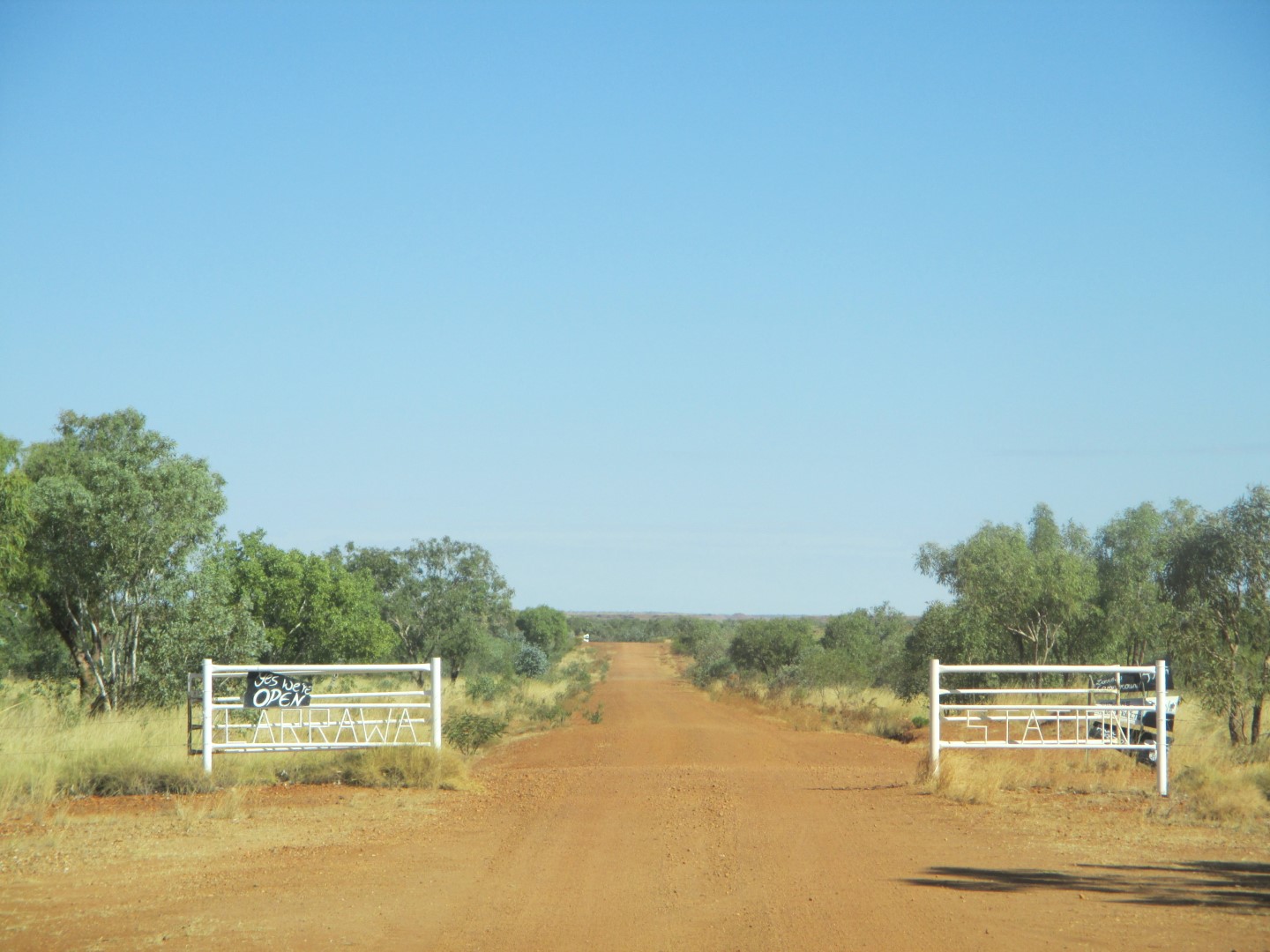
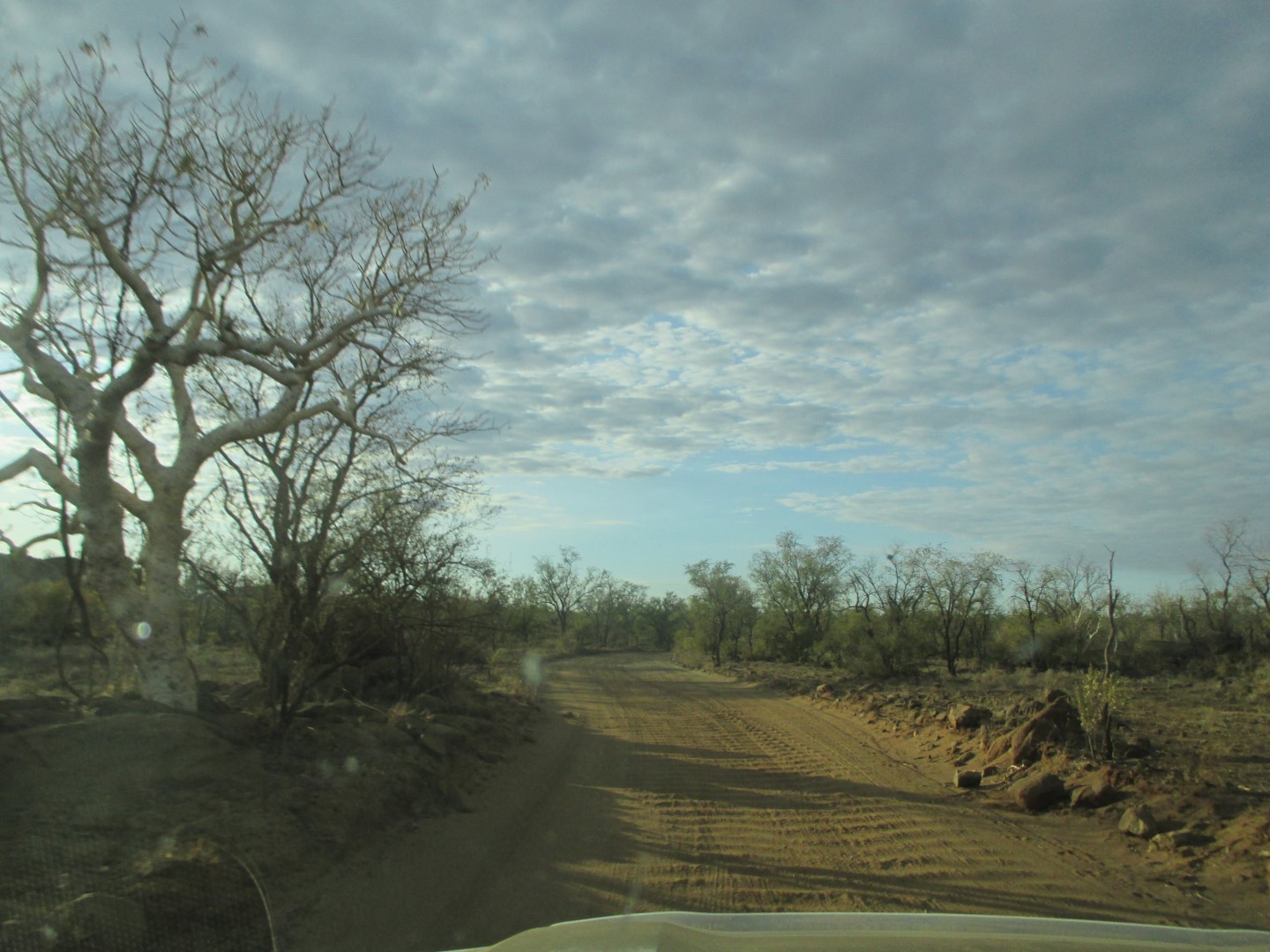
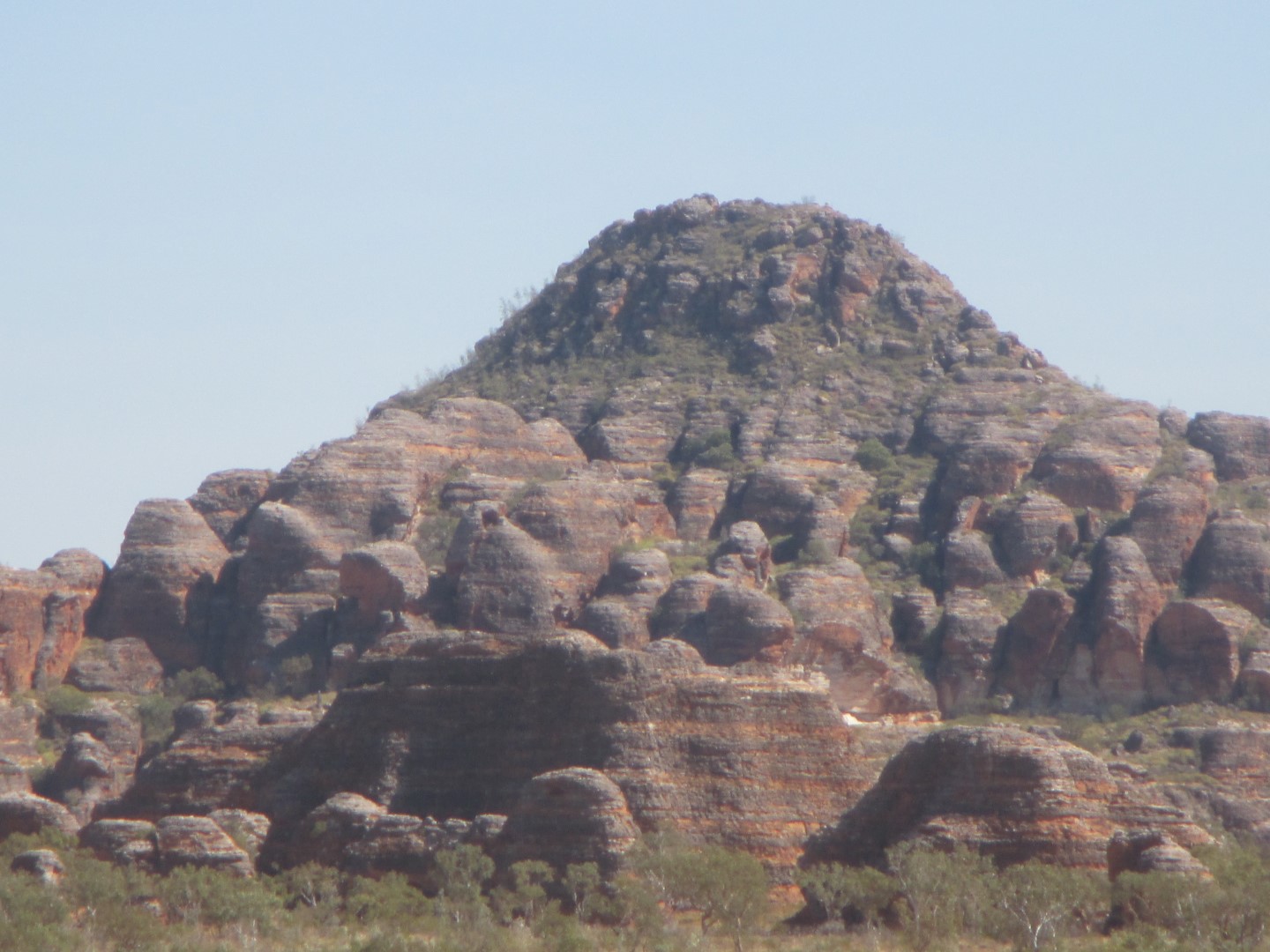
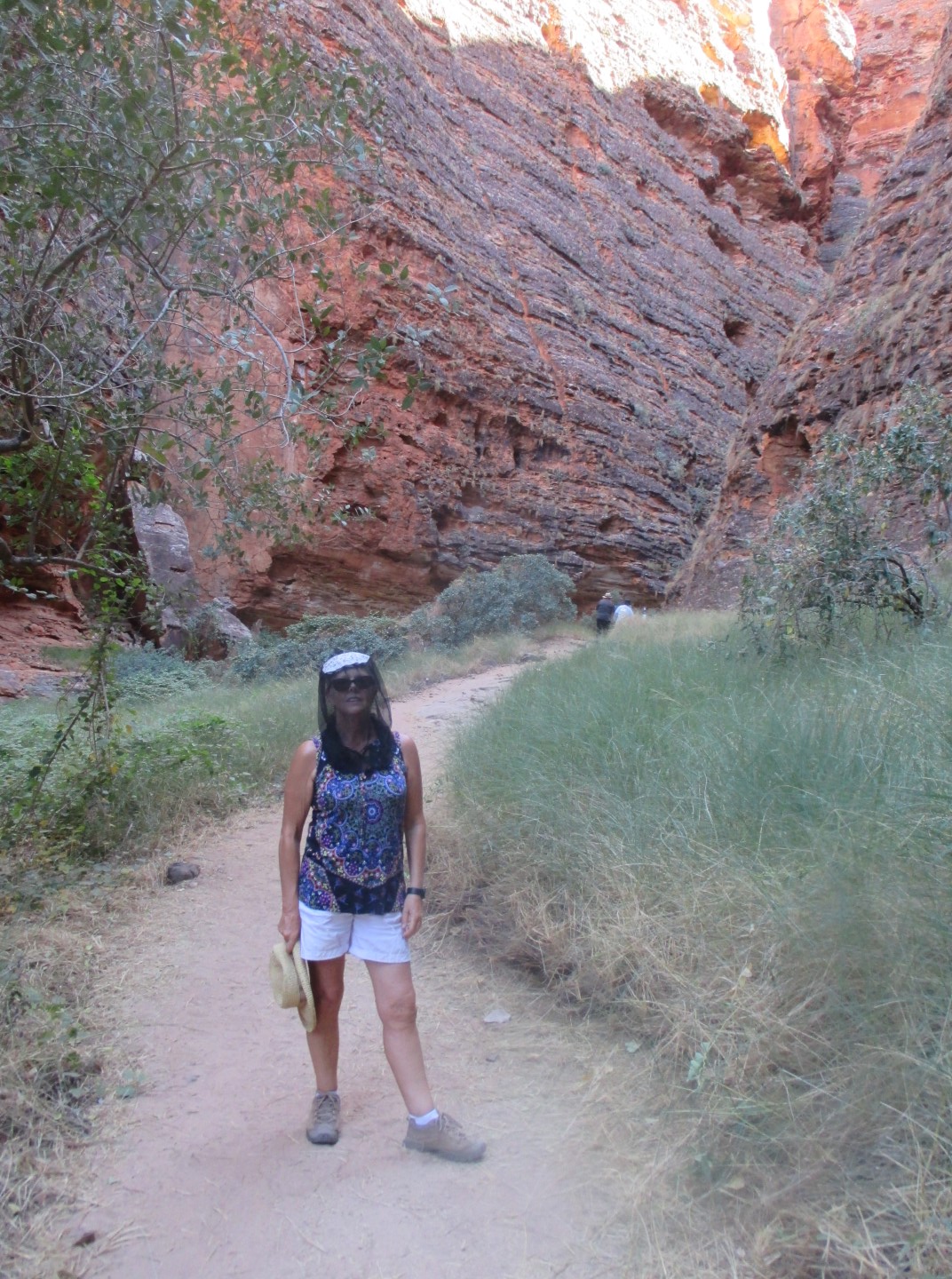
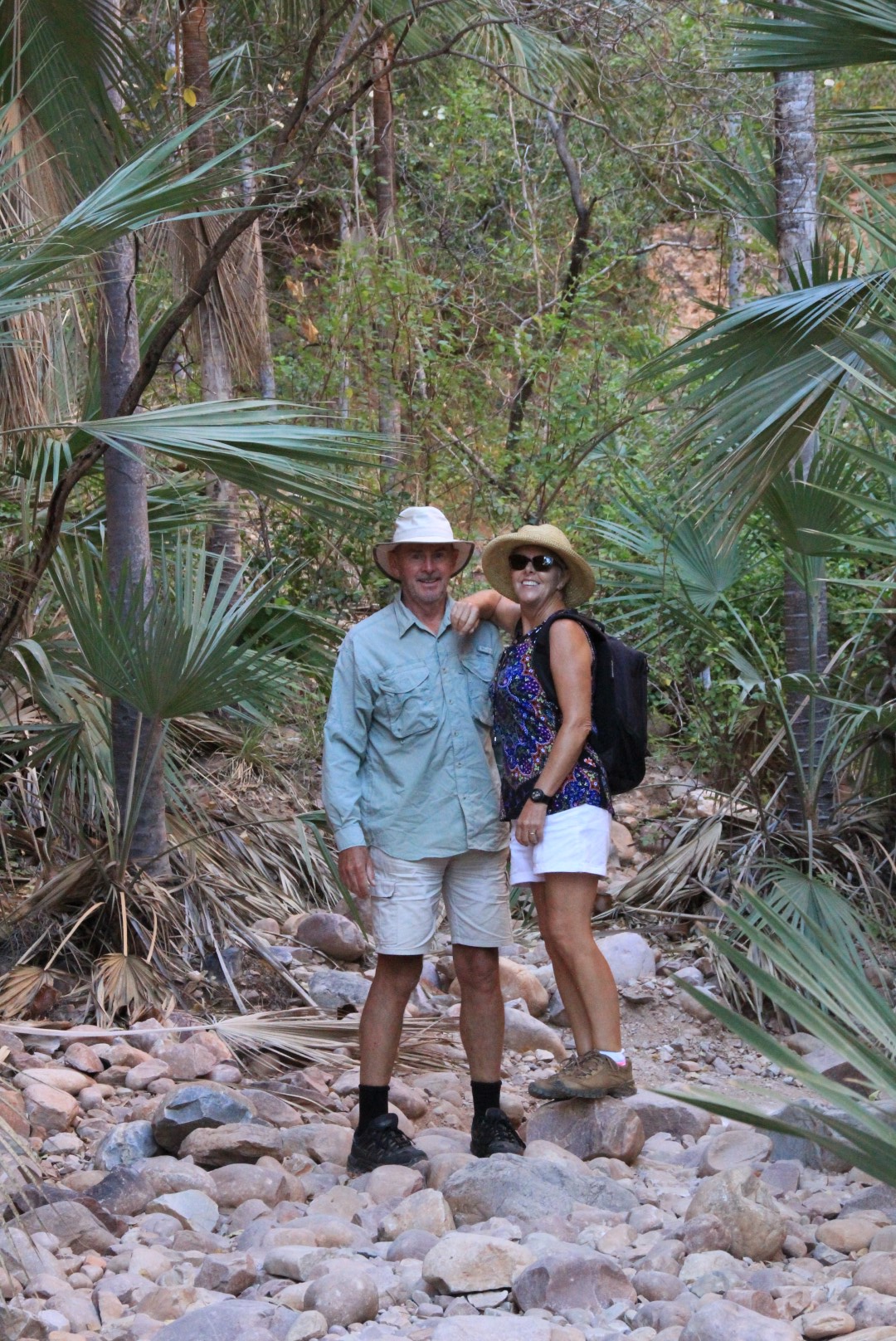
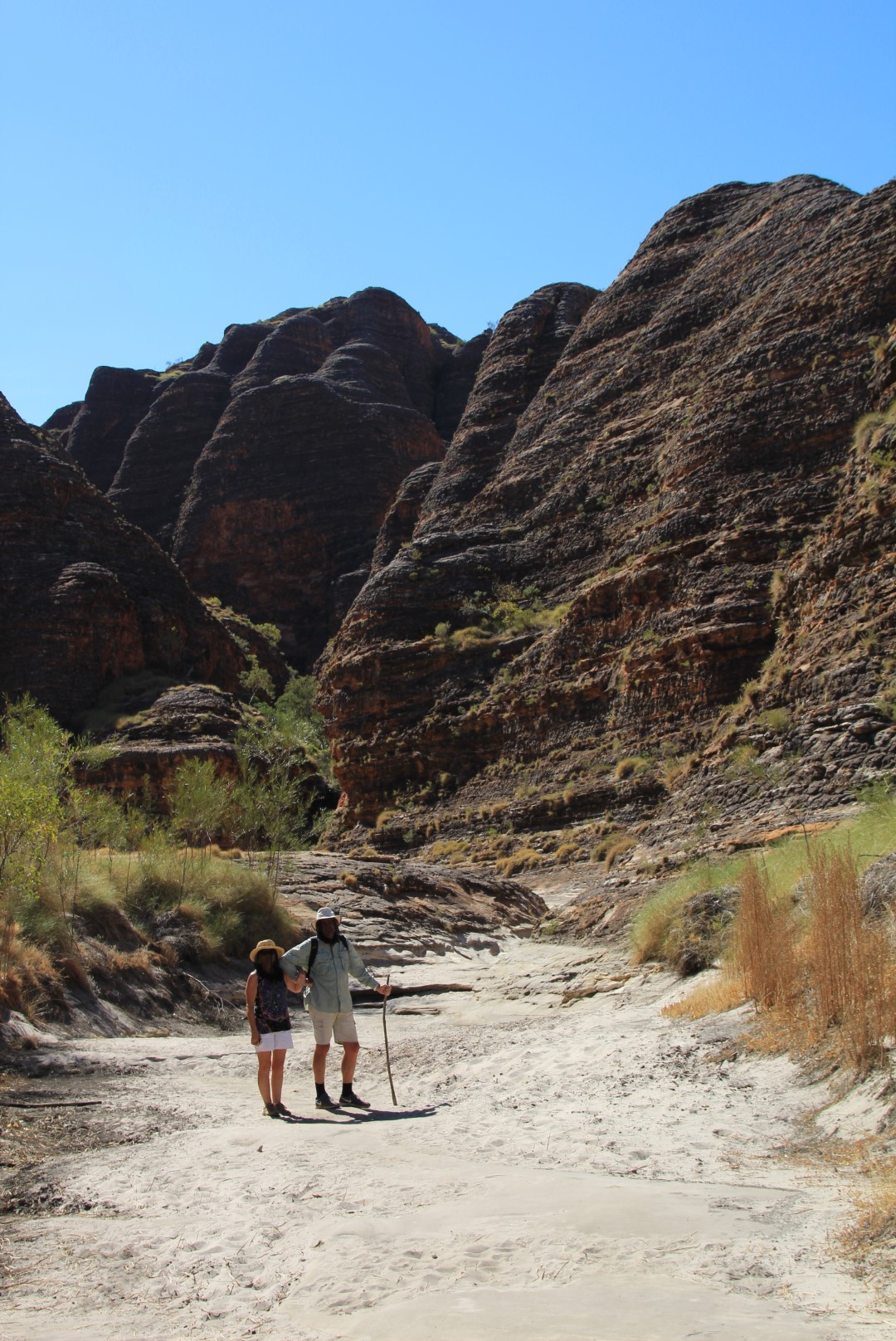
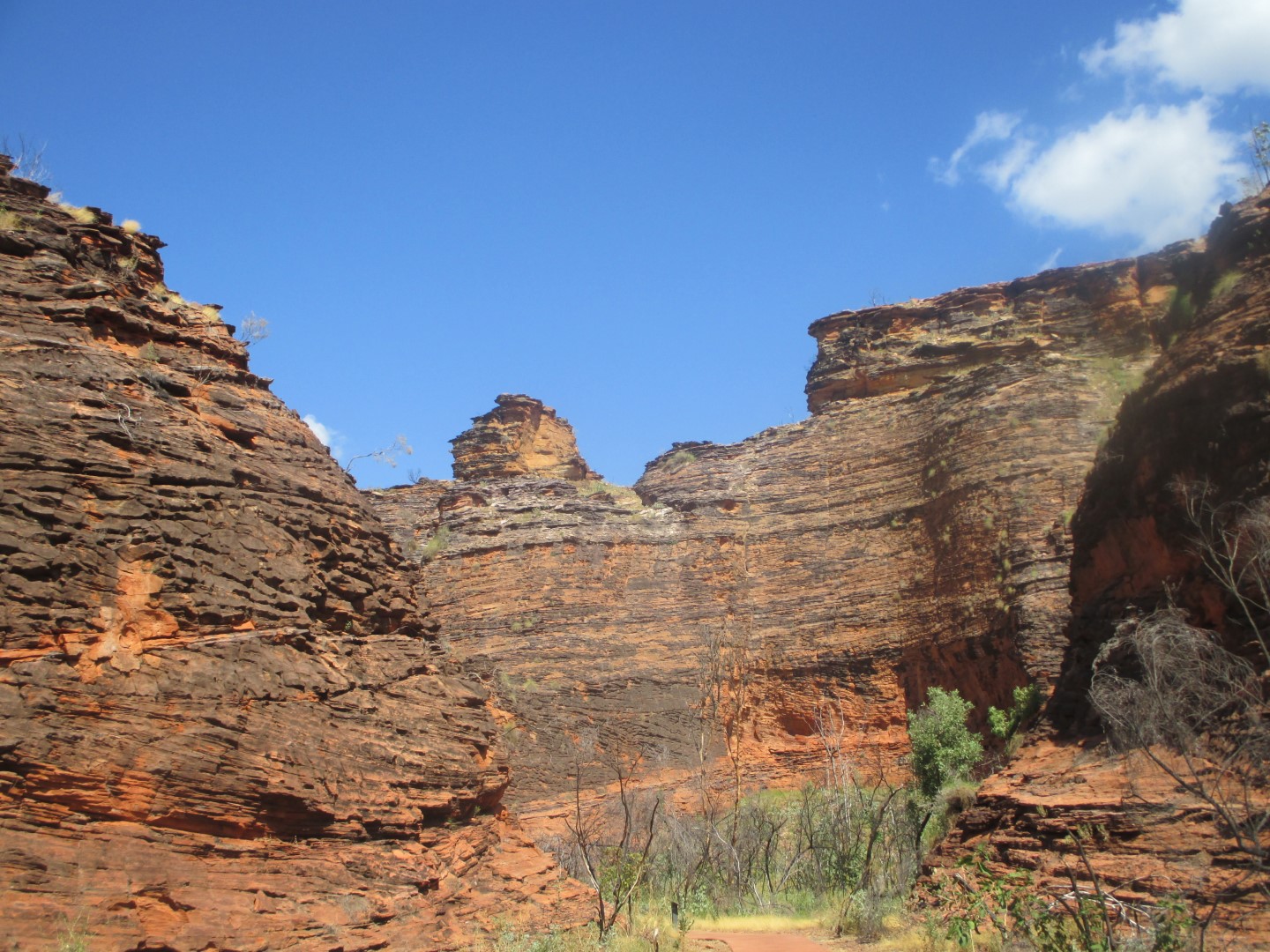
The Bungle Bungles Range is one of the highlights of the trip so far. It has presented a problem – how to refrain from adding 350 photographs to the blog !! It was a challenging drive into the Range involving over 250 Kms of rough tracks with many creek and river crossings. But it was more than worth it.

The Bungle Bungle Range is the landform that is the major component of the Purnululu National Park in Western Australia.

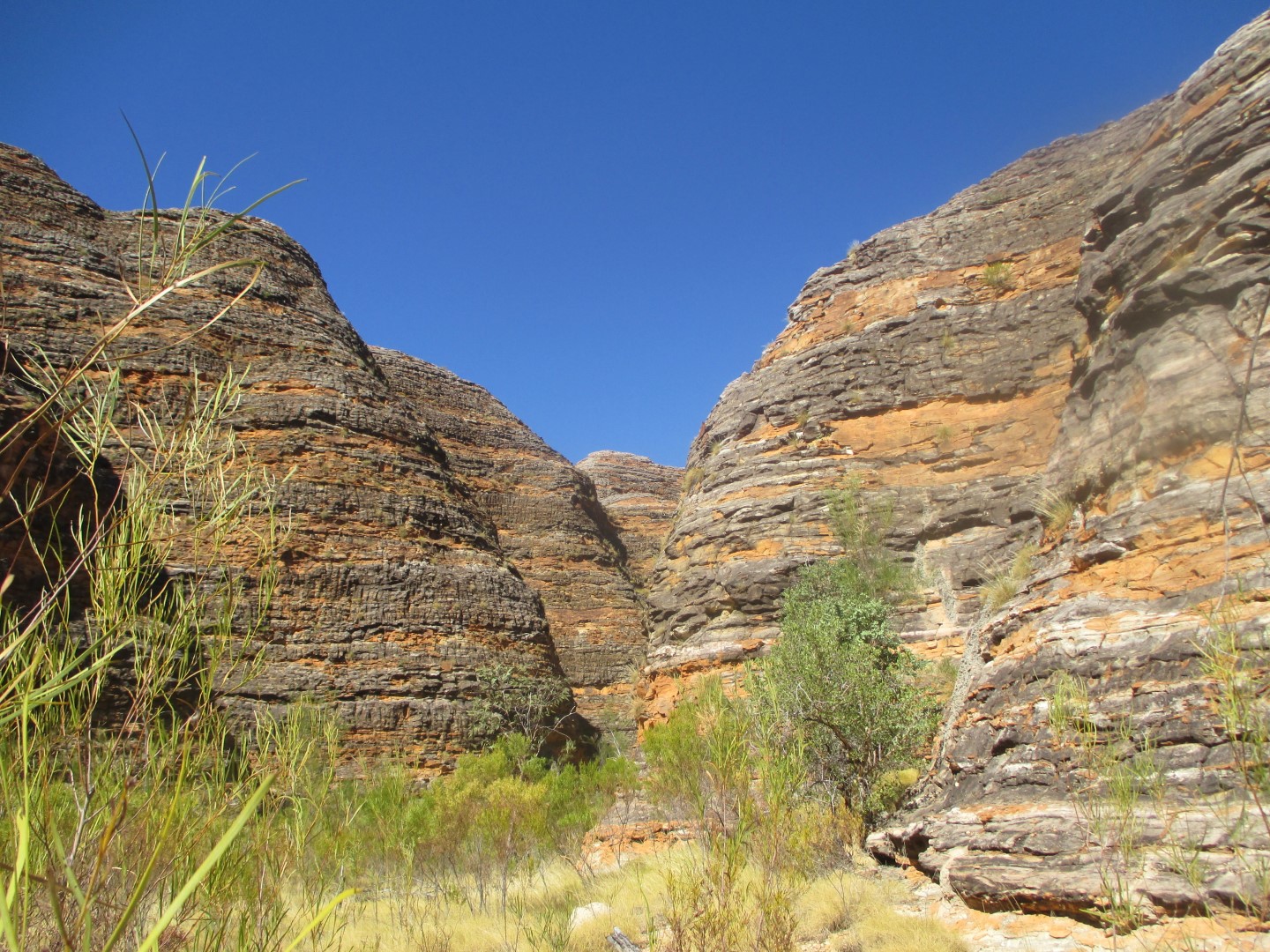
The distinctive beehive-shaped towers are made up of sandstones and conglomerates (rocks composed mainly of pebbles and boulders and cemented together by finer material). These sedimentary formations were deposited into the Ord Basin 375 to 350 million years ago, when active faults were altering the landscape. The combined effects of wind from the Tanami Desert and rainfall over millions of years shaped the domes. Weathering also helped create this marvel. Water seeps into the rock, and at night it expands as it gets colder. This creates small cracks which eventually wears out the rocks.

Mirima National Park

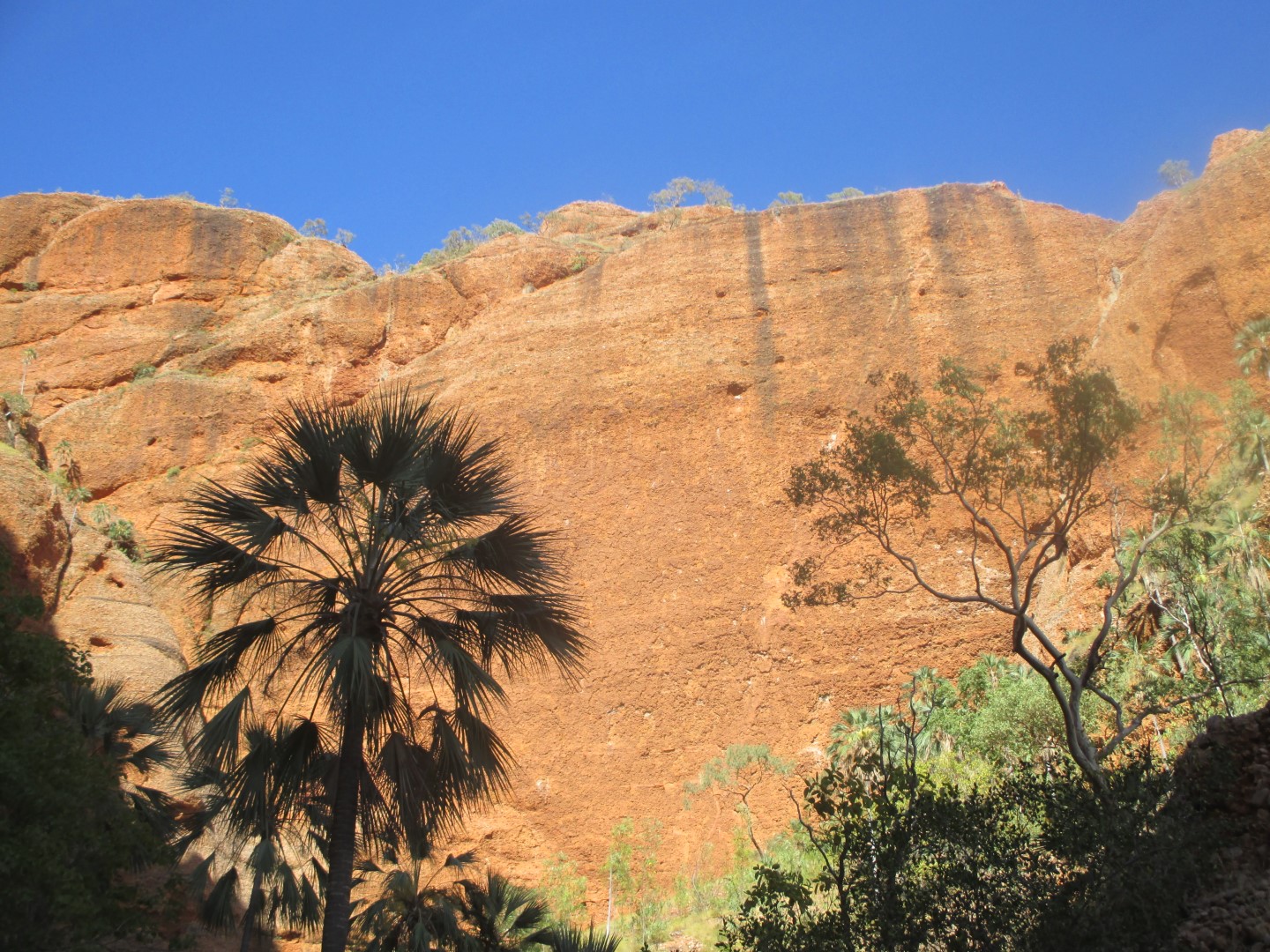
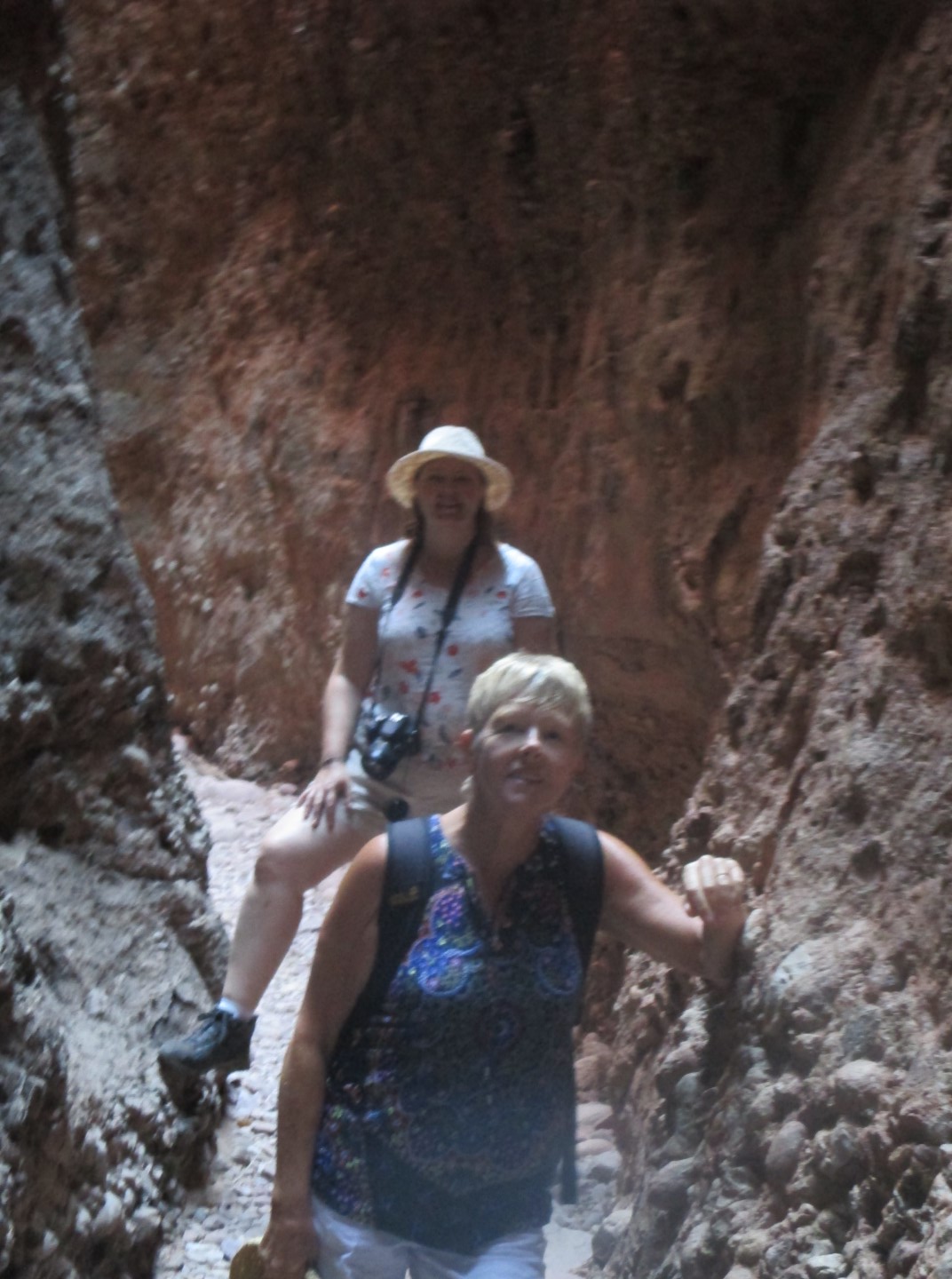
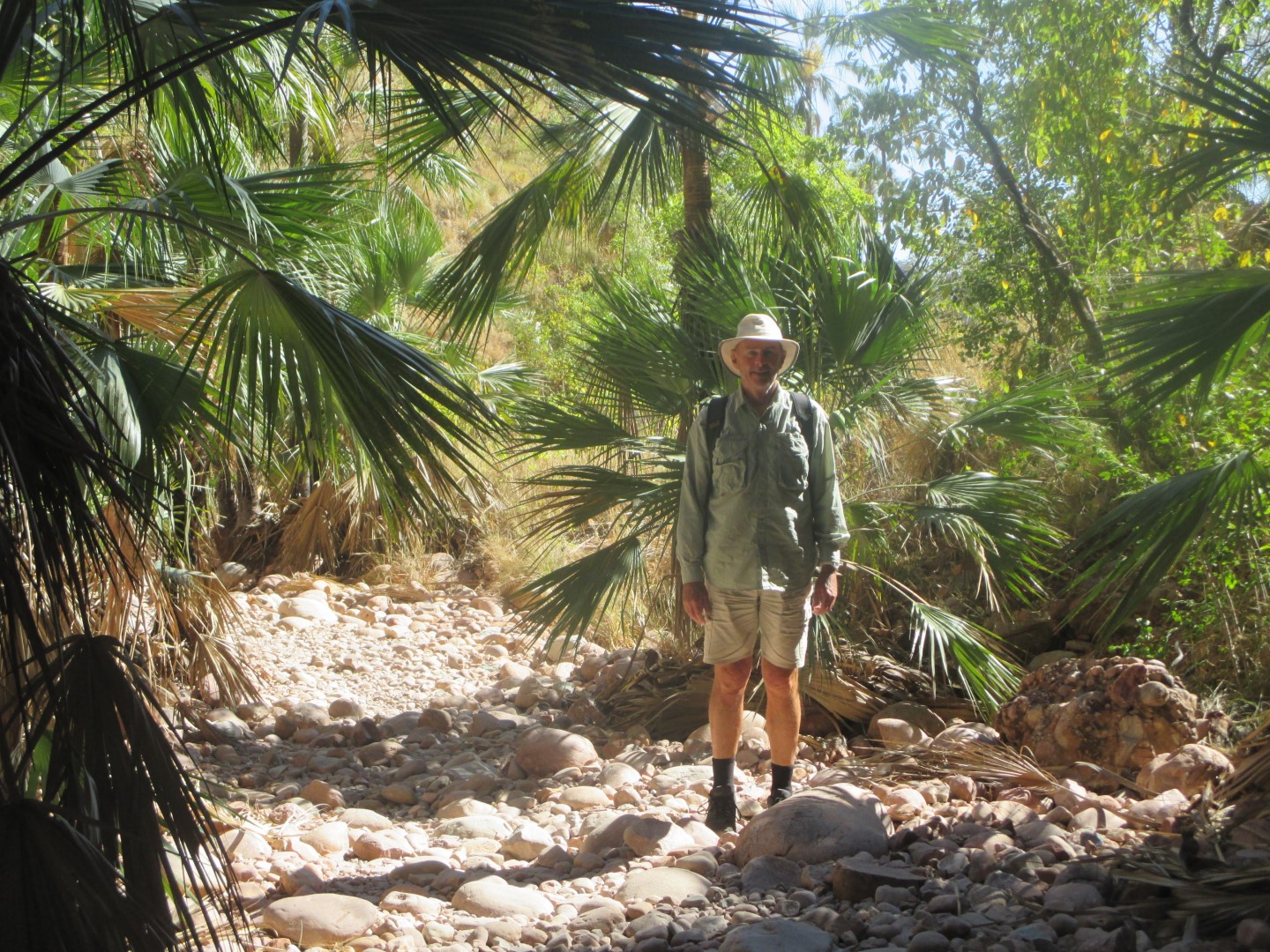
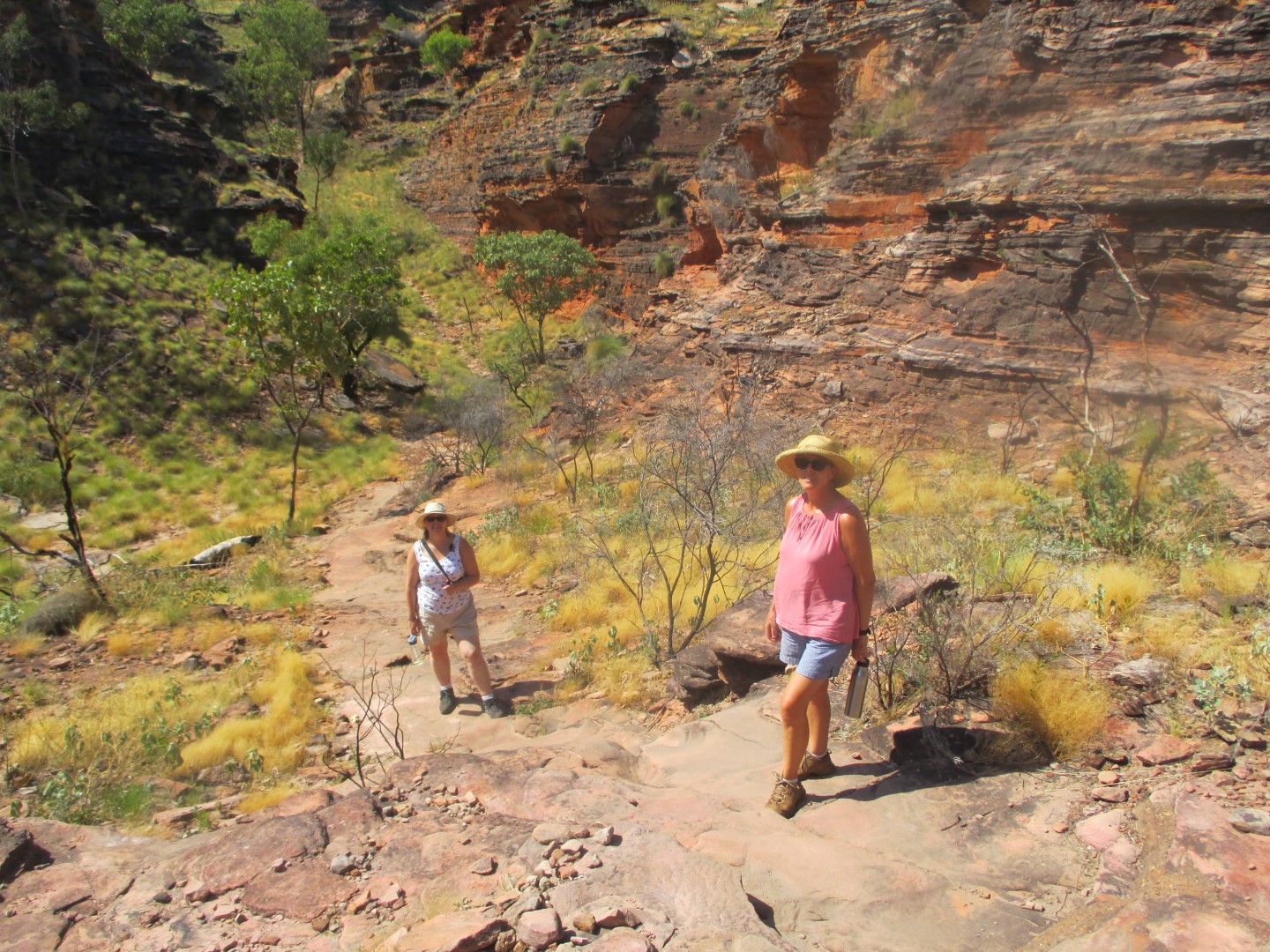
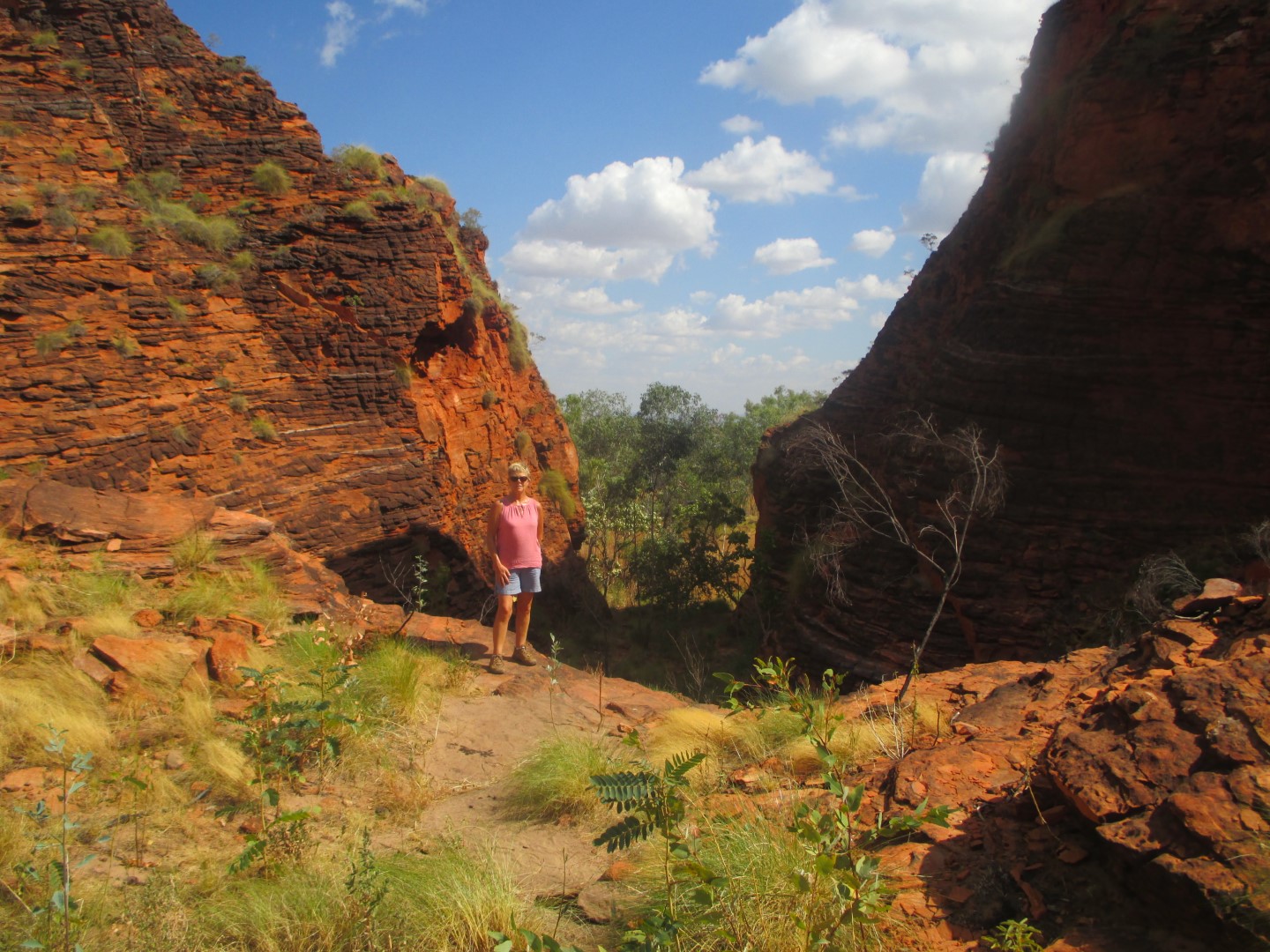
Last day in Kununurra and its off to the Mirima National Park or Hidden Valley as it is known locally. Unusual sandstone formations dominate the park and are often compared to the Bungle Bungles. The area is of great significance to the local indigenous peoples, the Miriuwung, and several examples of rock art can be found within the park.

Wyndham

First stop today on the way to Wyndham is The Grotto, one of many small canyons located close to Kununurra. There is a small natural water hole but swimming is only recommended in the wet season when the water is flowing. Great place to soak up the natural beauty of the Kimberley wilderness and what is a small, natural amphitheater.

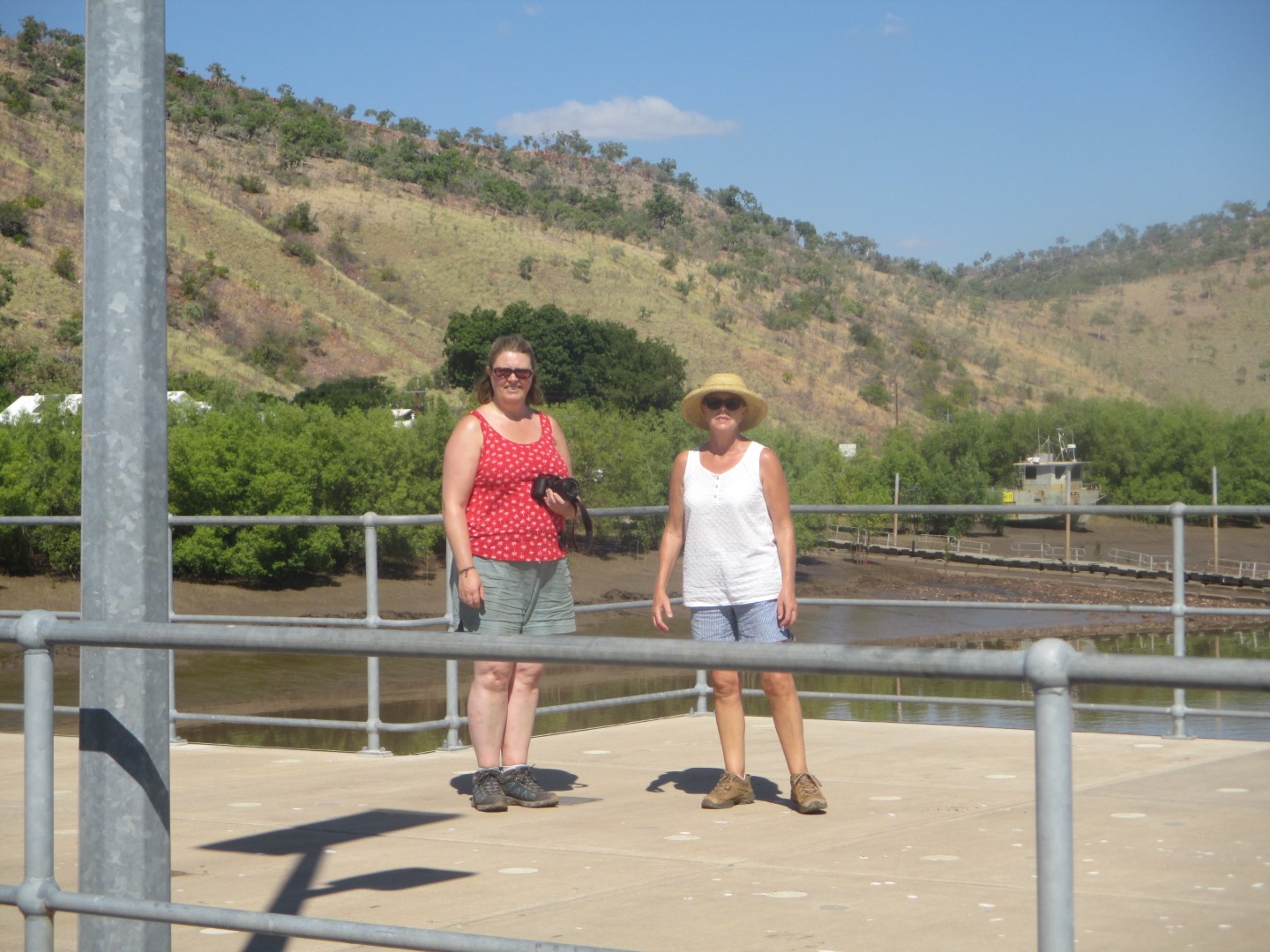
Next on to Wyndham and the Five Rivers Lookout. You are standing on top of the world, trying to absorb an impossibly enormous vista. Spread out beneath you are vast mud flats, cut through the middle by a river so wide that you wonder if it’s a bay. At about 325 metres high, the lookout sits atop The Bastion, part of an ancient mountain range, weathered over time to just shadow of its former self. The Ord, King, Pentecost, Forrest and Durack Rivers come together and flow out to sea at Cambridge Gulf. Thousands of hectares of mudflats spread as far as you can see.
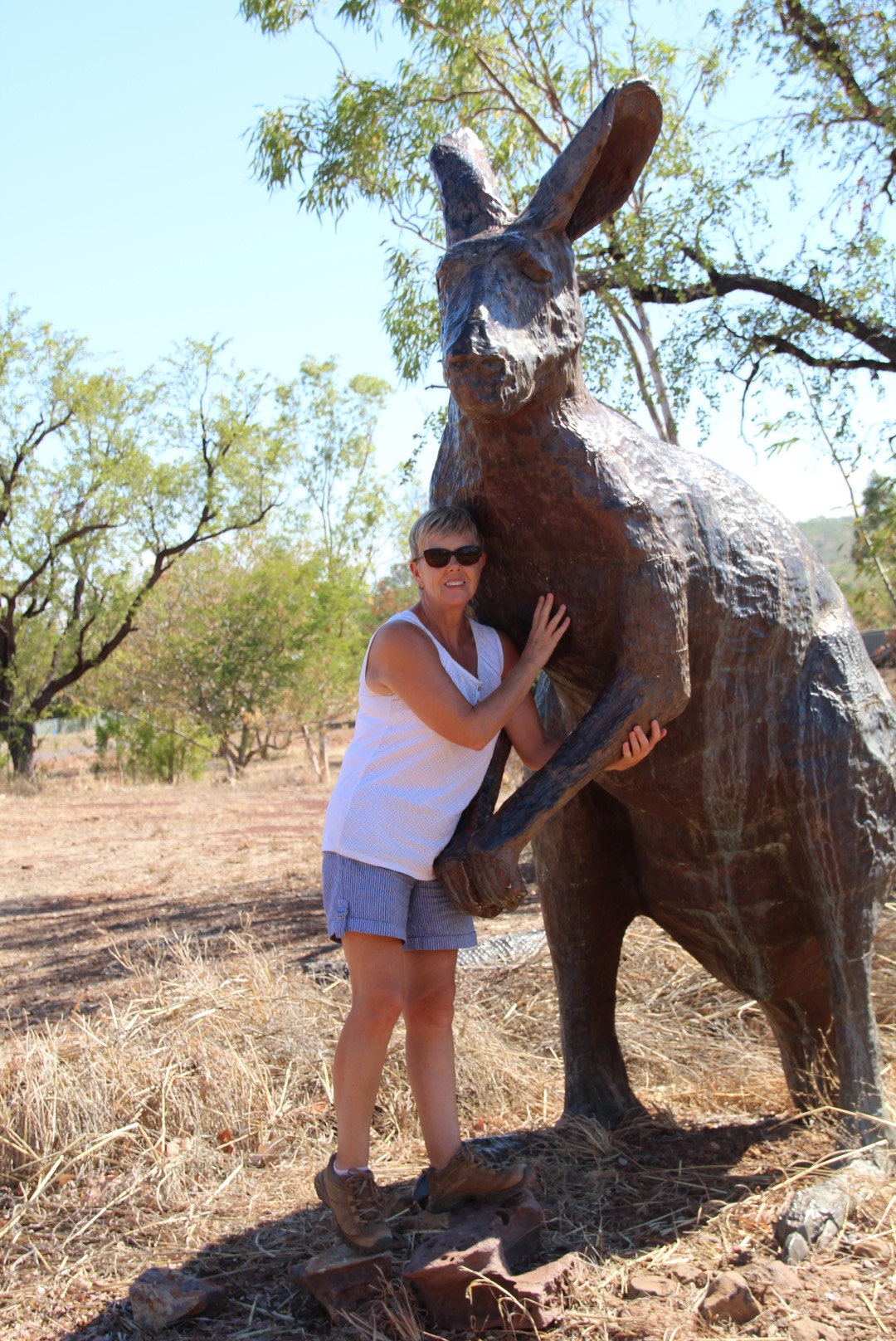
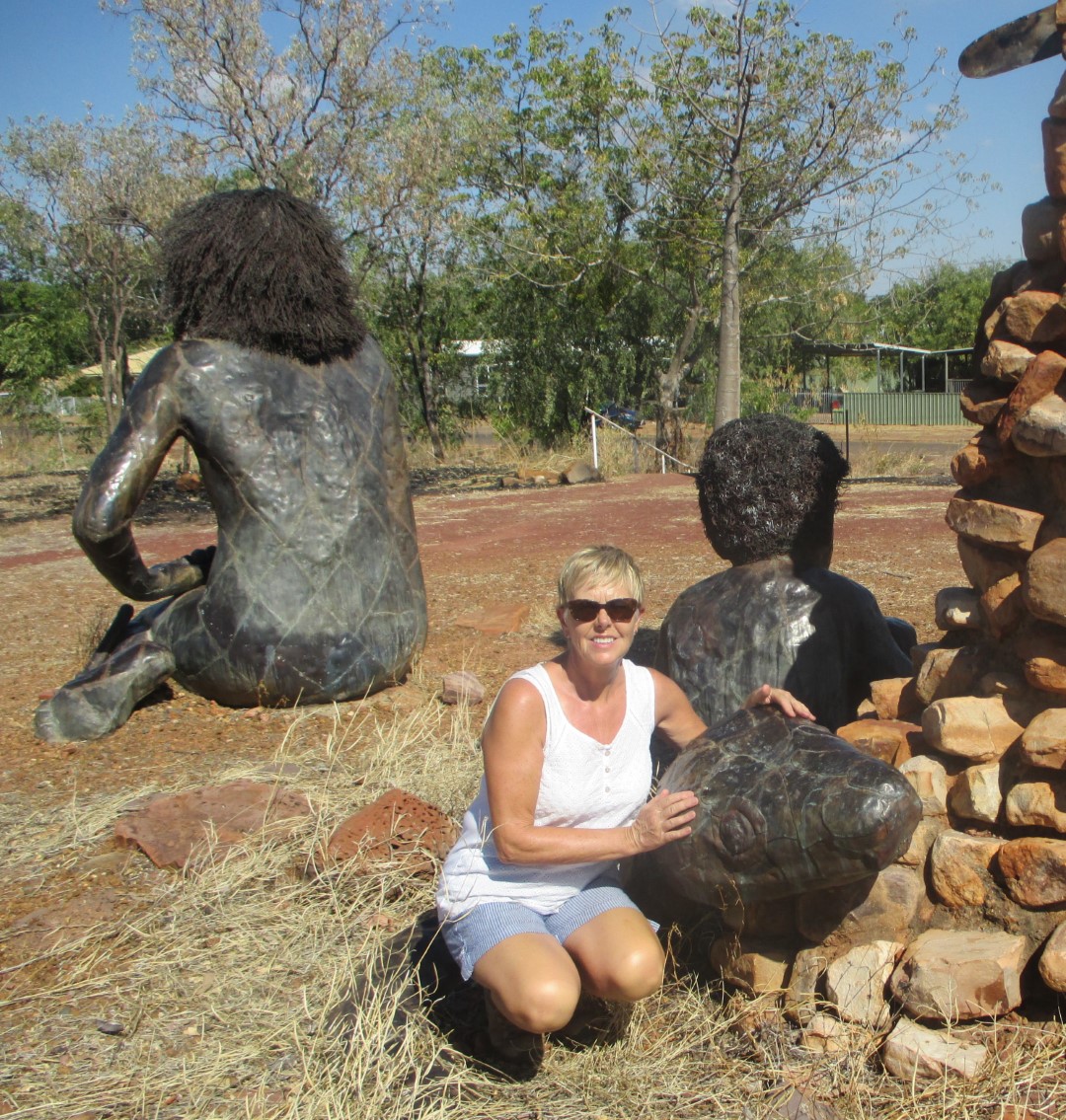
The Warriu Park Dreamtime Statues are larger than life aboriginal statues depicting early aboriginal life at Wyndham. The Statues were built as part of a Bi-Centenary project and originally intended for Kings Park in Perth.

Kununurra

We are using Kununurra as a base for a 3 night stay. We will head up to Wyndham for a day. Our camp site is right on the banks of Lake Kununurra. The town was originally developed to service the Ord River Irrigation Scheme which formed Lake argyle. It is the largest town in WA north of Broome.

Western Australia And Lake Argyle

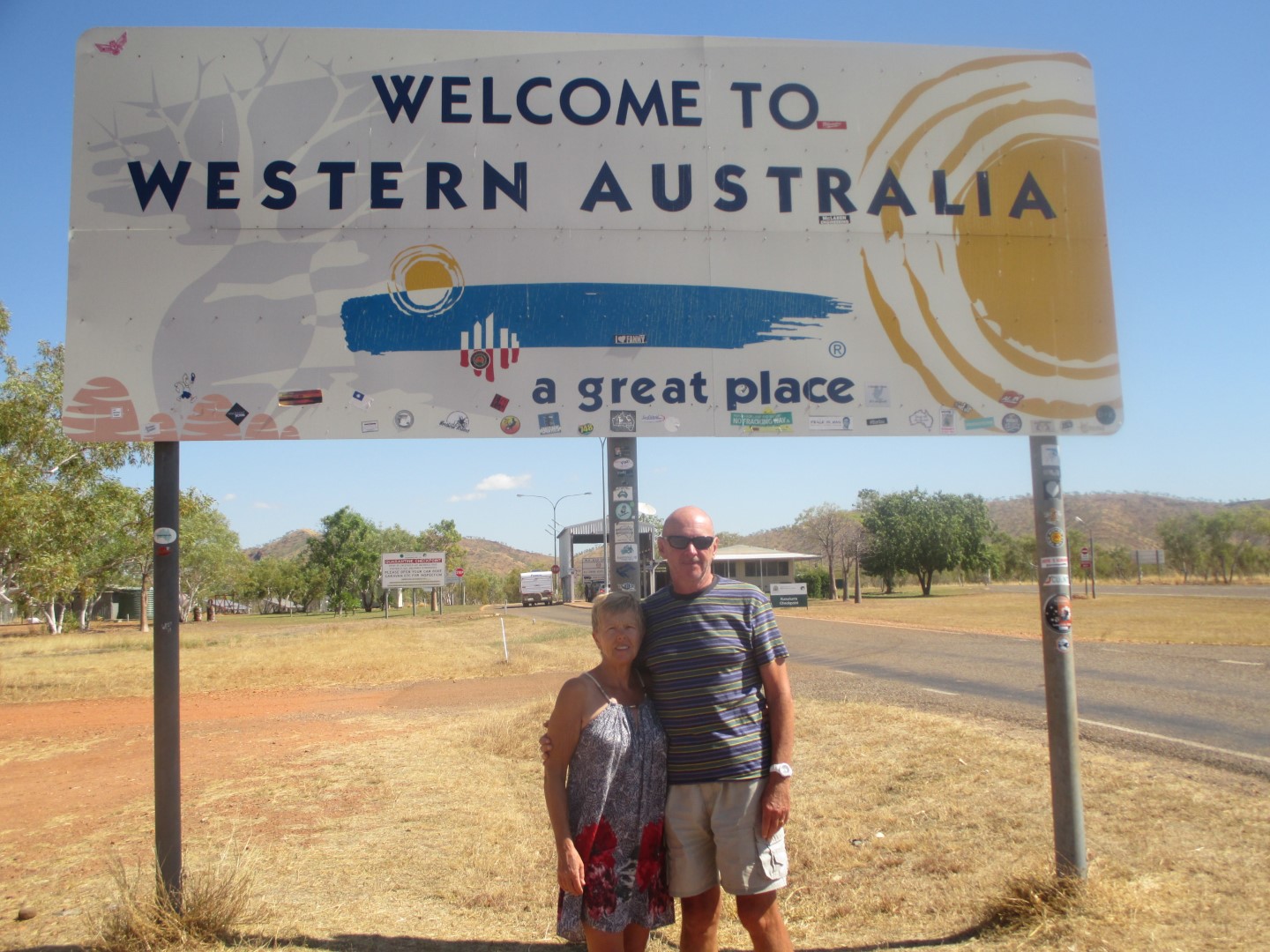
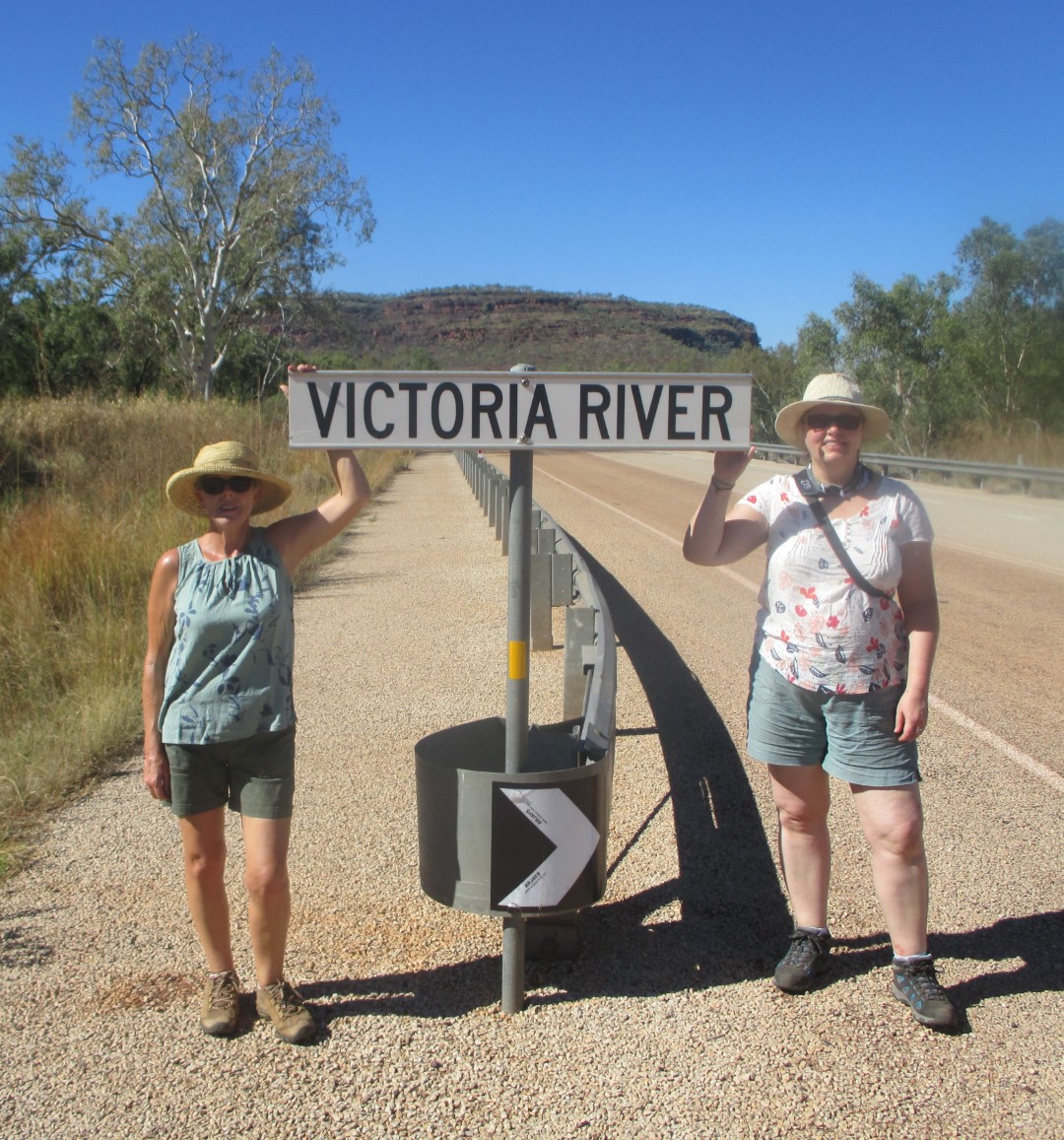
Victoria River was our last overnight stop in the Northern Territory. Now it is on to the west and we cross the border into Western Australia.

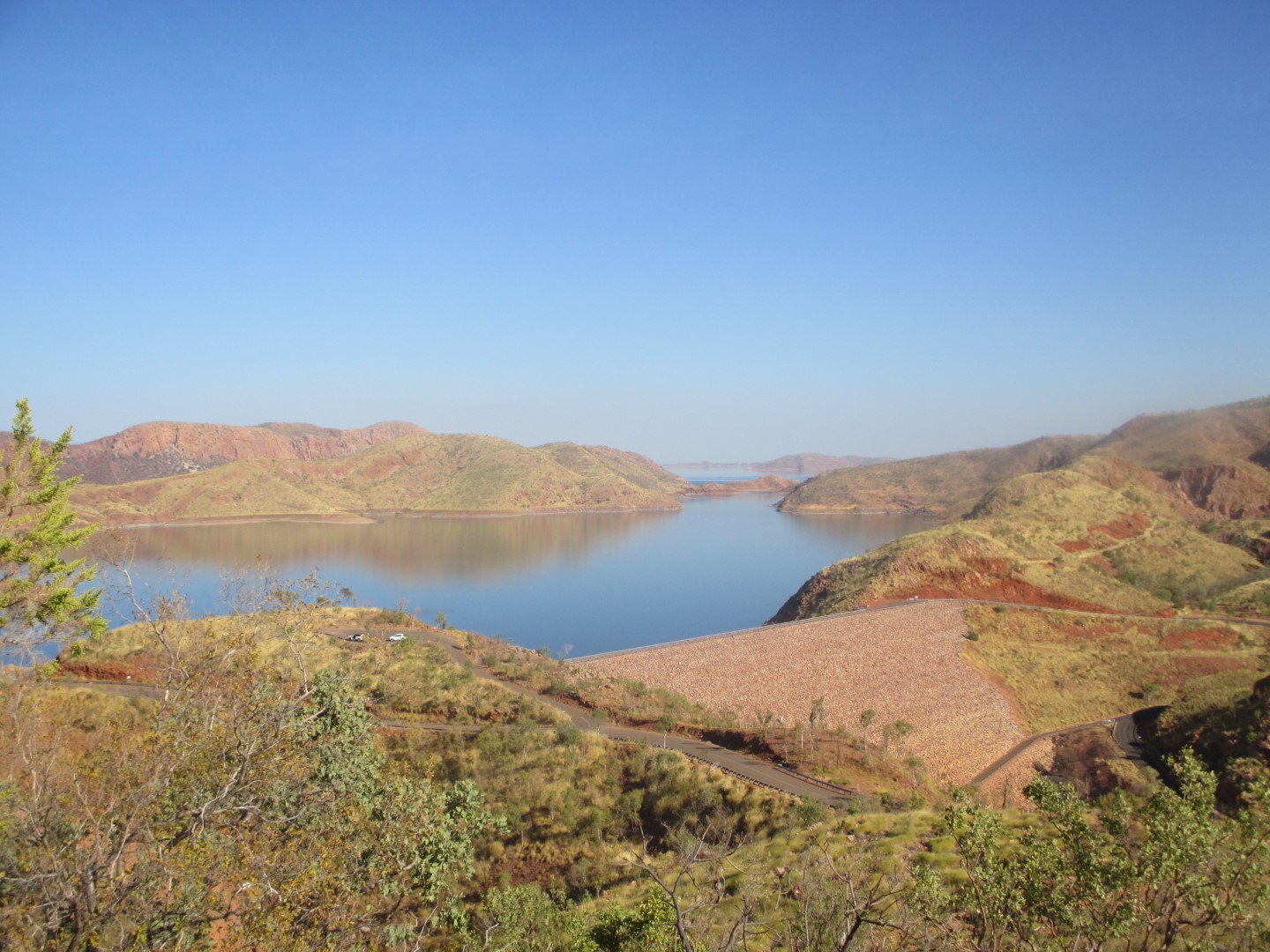
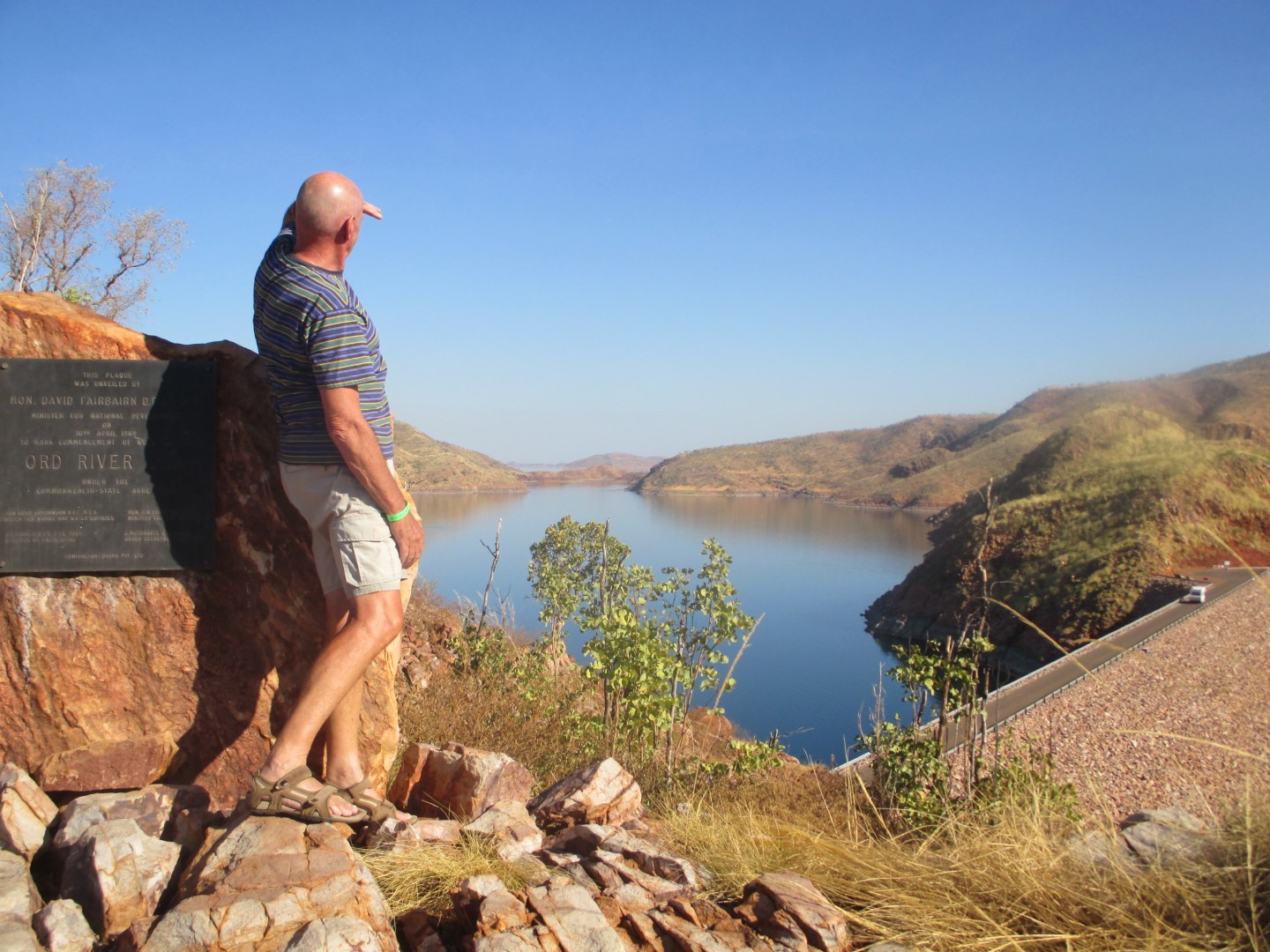
Lake Argyle is Western Australia’s largest and Australia’s second largest freshwater man-made reservoir by volume. The reservoir is part of the Ord River Irrigation Scheme and is located near the East Kimberley town of Kununurra. The primary inflow is the Ord River, while the Bow River and many other smaller creeks also flow into the dam.

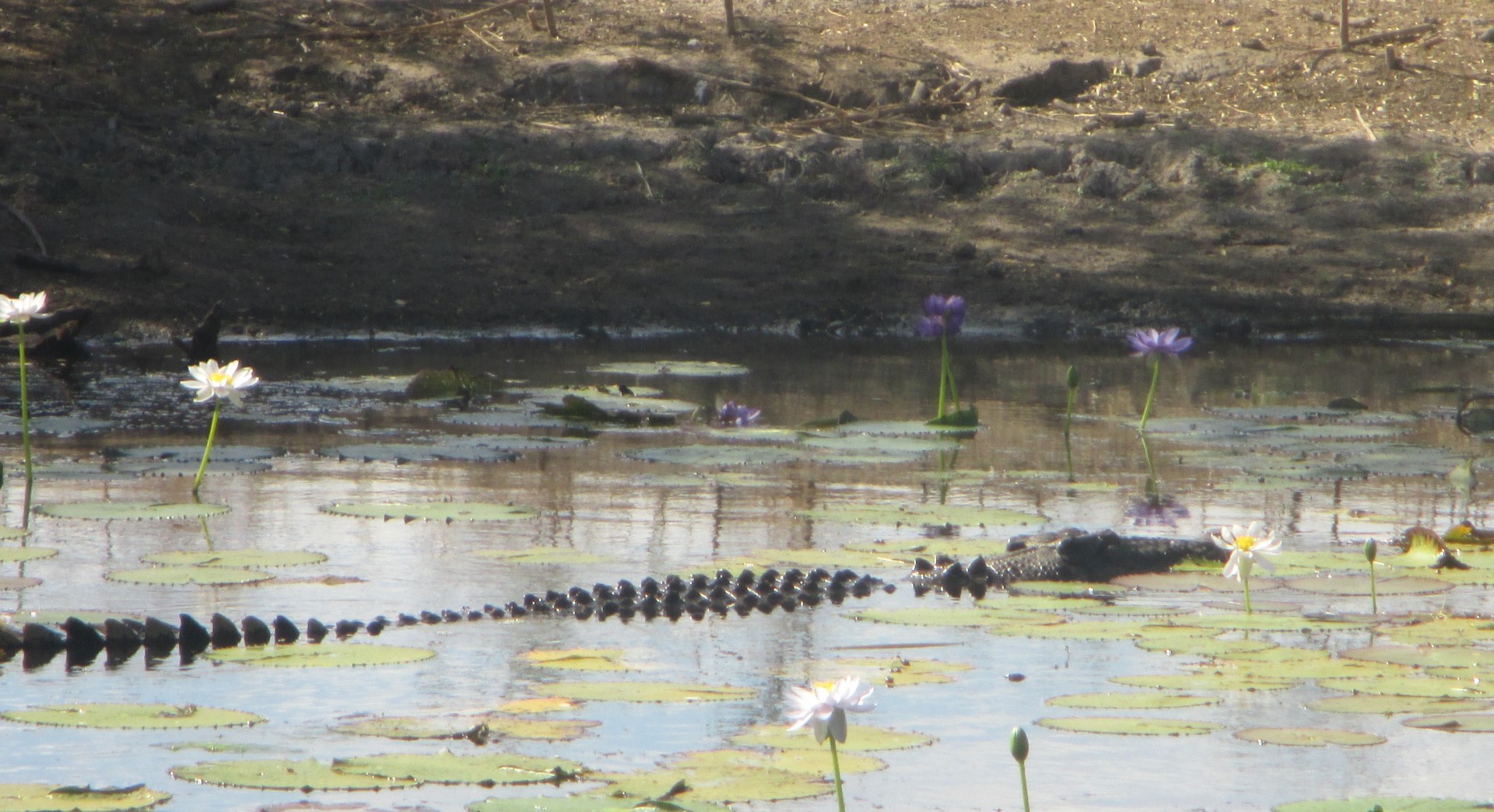
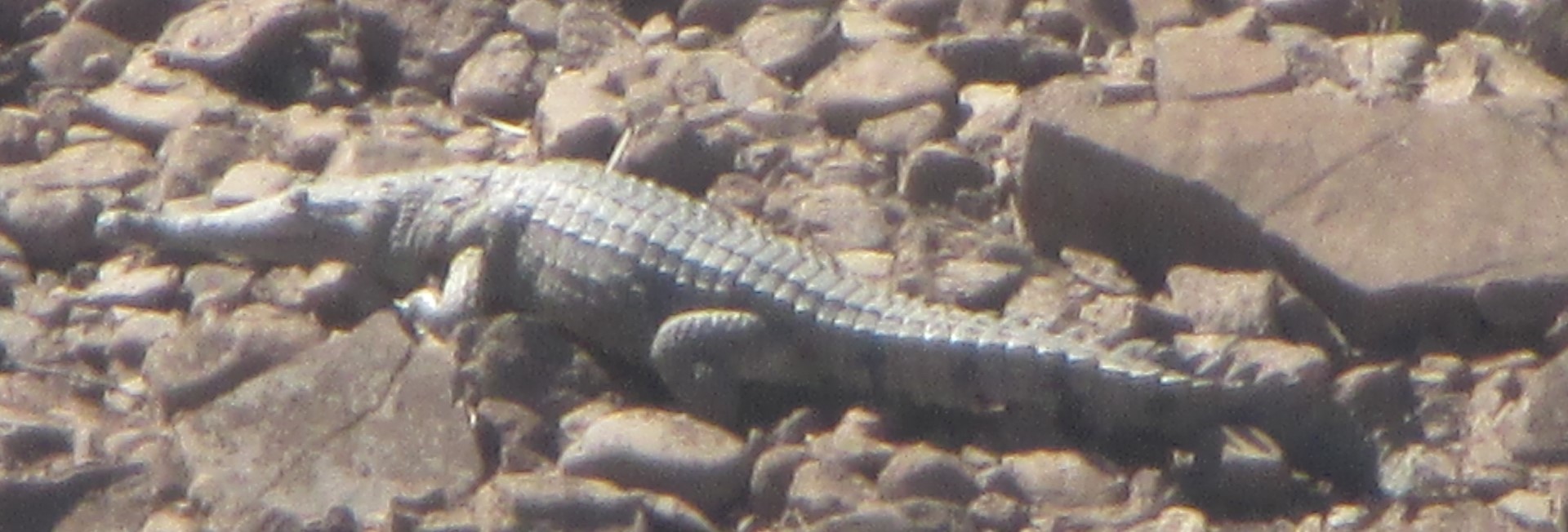
Not a good place for a swim – spot the fresh water crocodile on the bank next to the dam wall. ‘Freshies’ are supposed to be a lot smaller than their salt water cousins, the ‘Salties’ but this one seems to be bucking that trend.

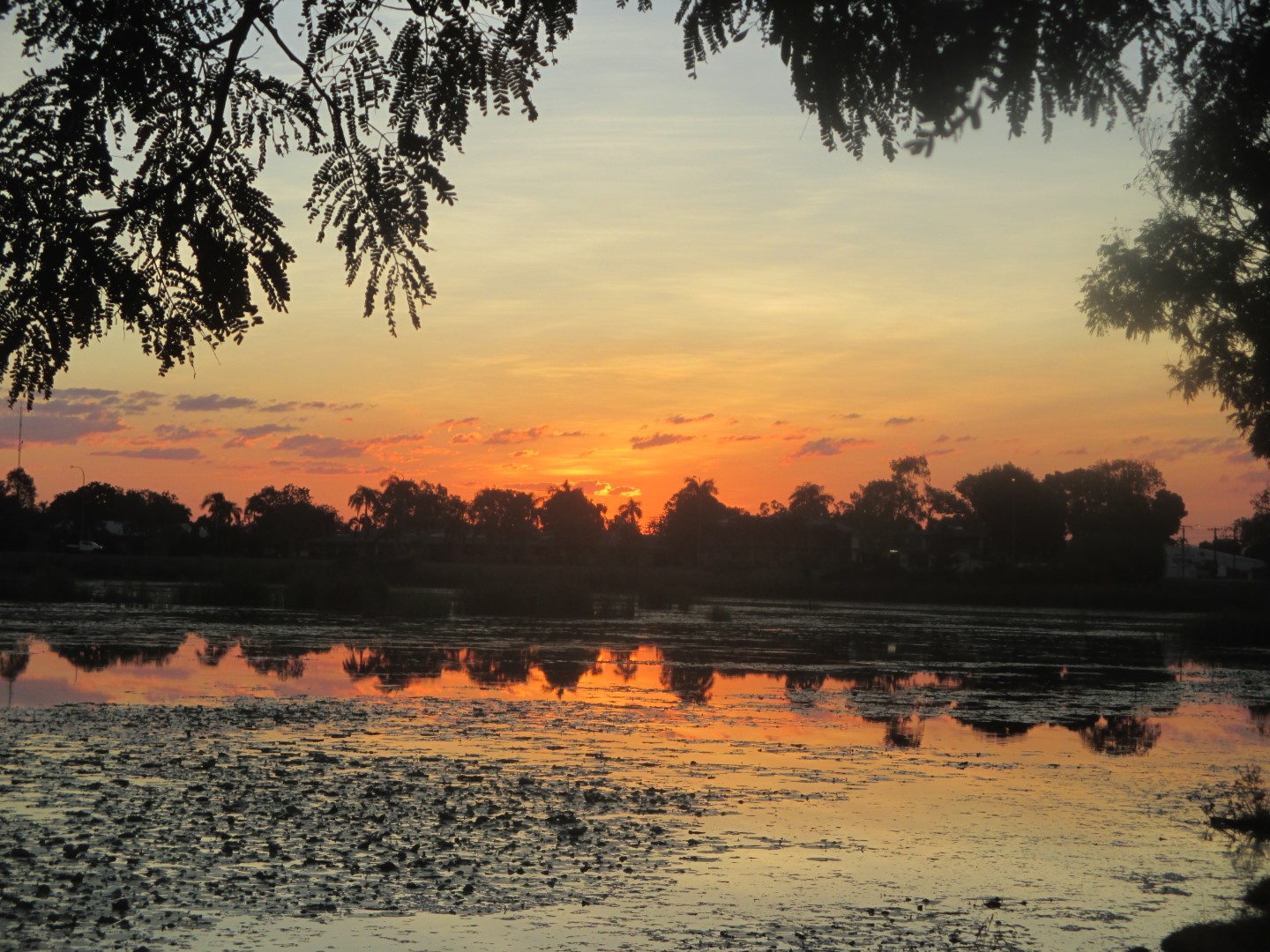
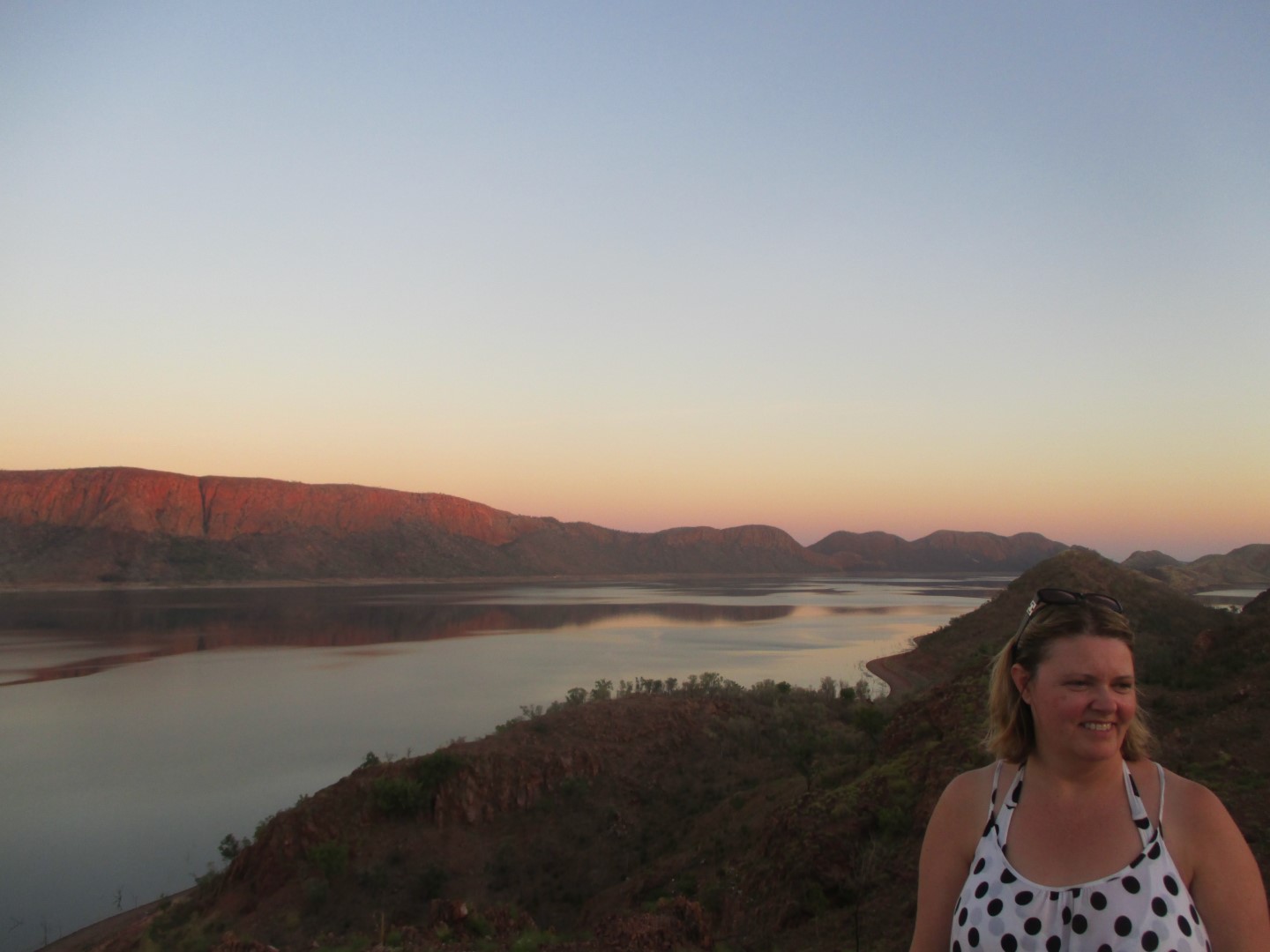
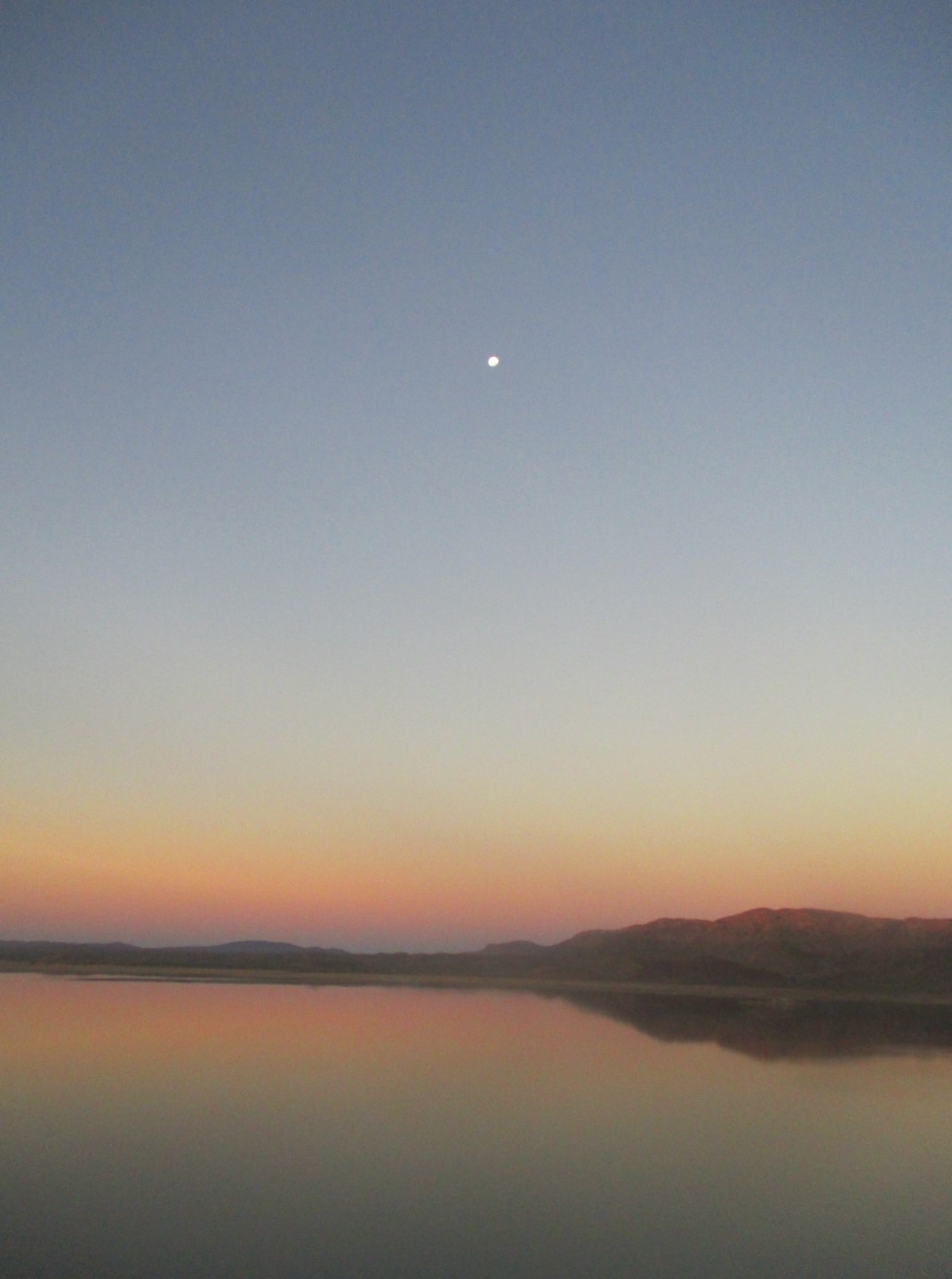
Beautiful sunset.

Victoria River Roadhouse

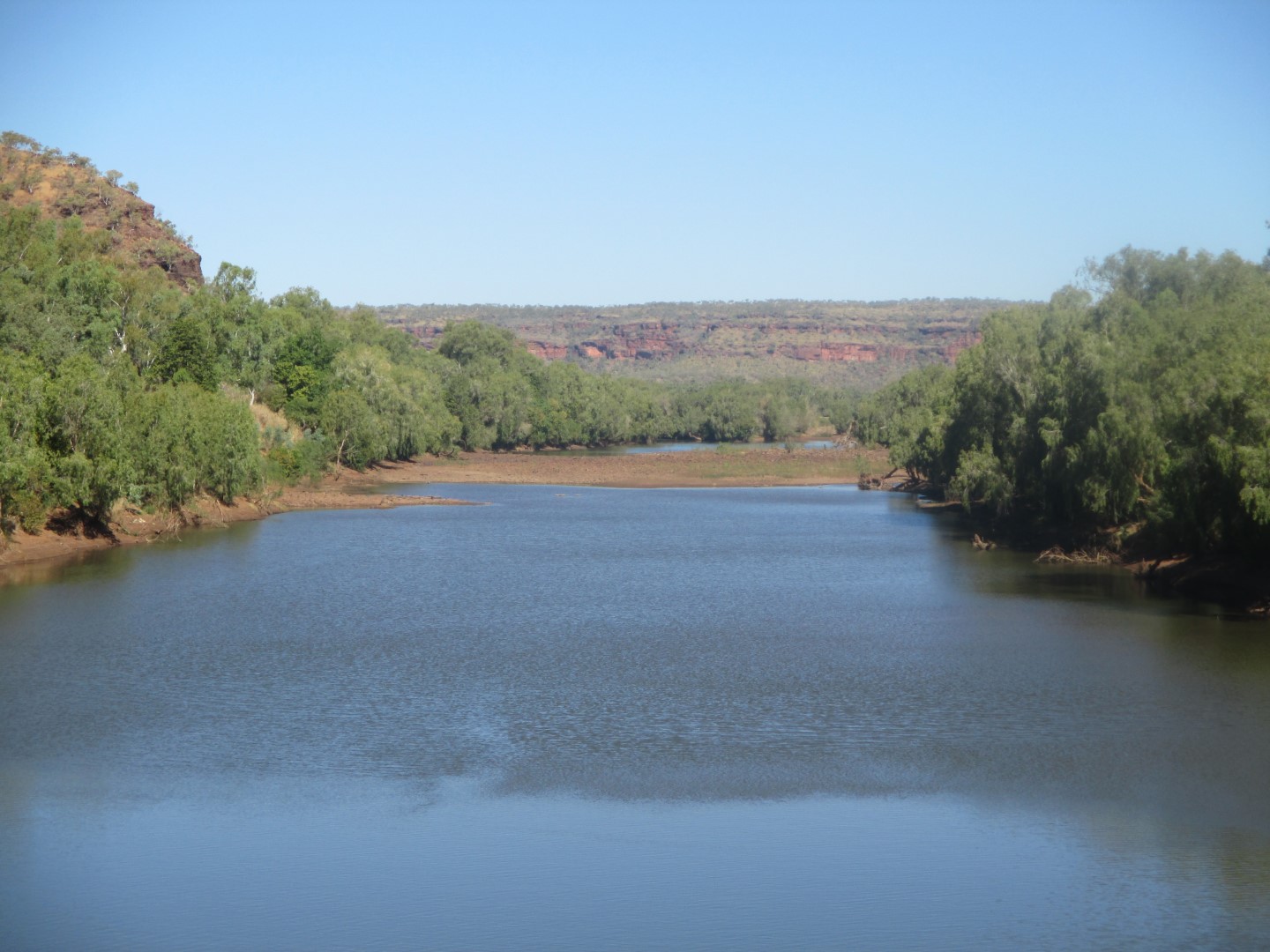
Flowing for 560 Kms (350 mi) from its source, until it enters the Timor Sea, the Victoria River is the longest singularly named permanent river in the Northern Territory. On 12 September 1819, Philip Parker King became the first European to discover the mouth of the Victoria and, twenty years later, in 1839, Captain J. C. Wickham arrived at the same spot in HMS Beagle and named the river after Queen Victoria.