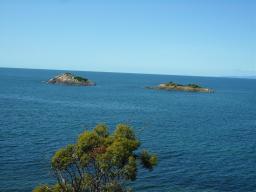
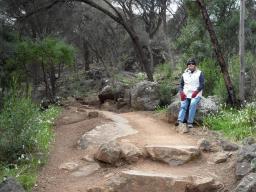
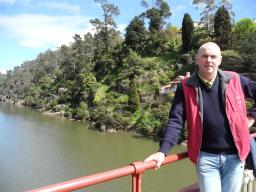
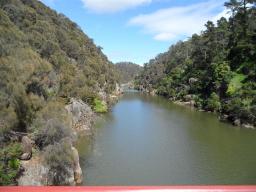
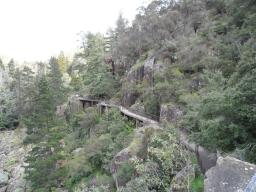
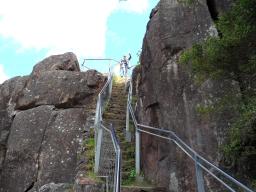
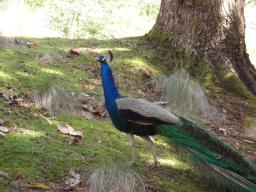
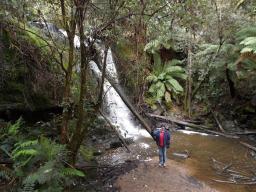
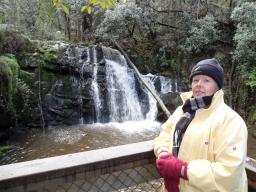
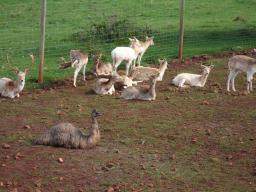
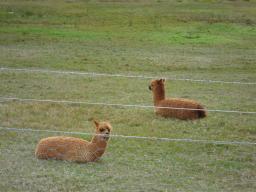
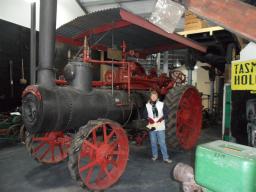
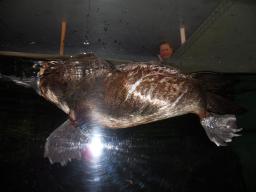
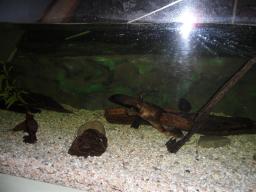
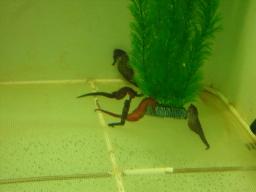
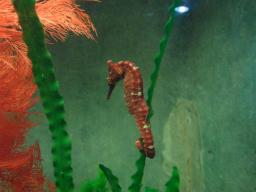
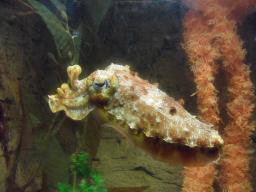
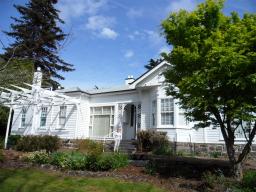
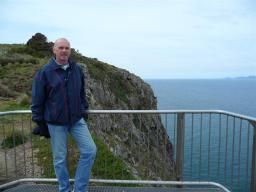
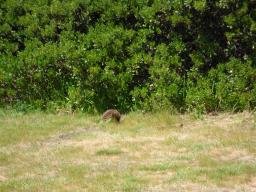
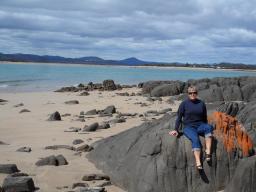
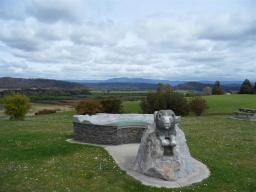
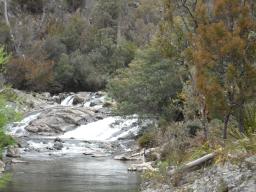
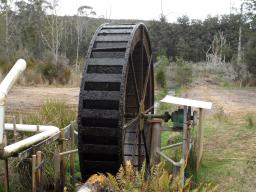
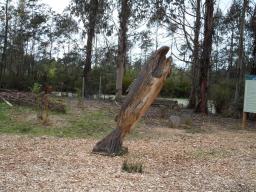
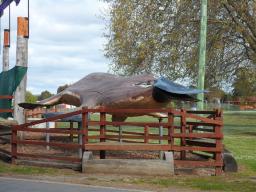
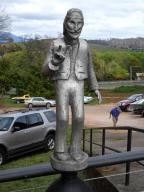
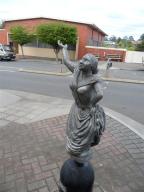
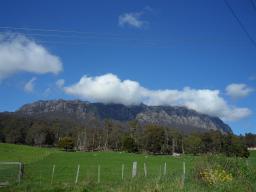
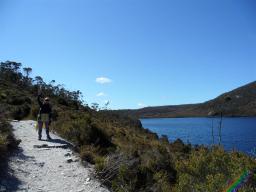
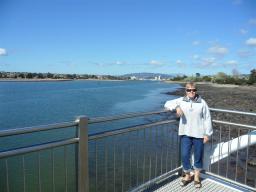
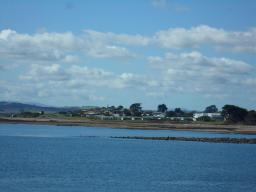
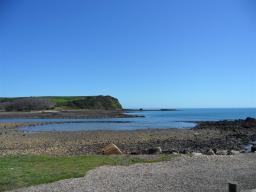
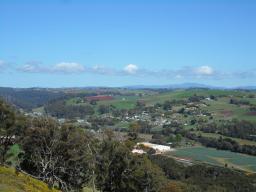
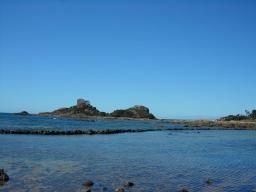
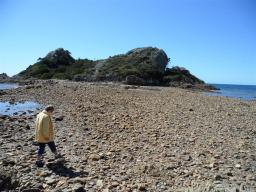
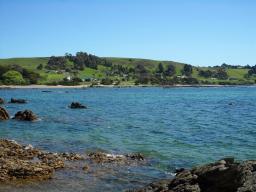
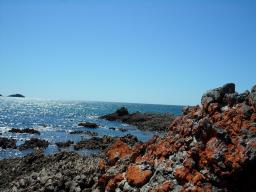
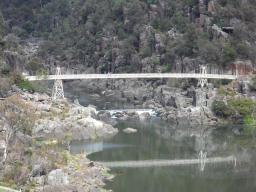
Oct 12 Just 5 minutes from the city centre of Launceston is the Cataract Gorge Reserve. This is where the North and South Esk rivers converge to become the Tamar. There are many walks around the gorge with magnificent views. The Gorge has spiritual significance with the aboriginal people. We spotted some unusual wildlife – see photos.
Month: October 2011
Launceston
Oct 11 Time to check out the Tamar Valley wines. The area is the oldest wine region in Tasmania, with more than 20 vineyards where you can sample some of the best cool climate wines in the world, the area is renowned for its sparkling wine, pinot gris and pinot noir. Brooke Eden and Jansz were 2 wineries we could not leave empty handed.
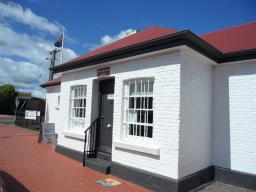
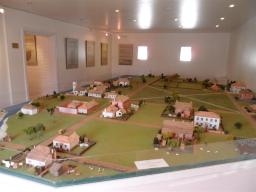
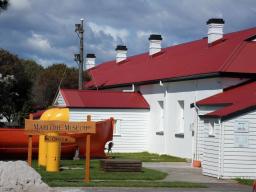
We travel on the east Tamar to the historic George Town and pilot station at Low Head. Lilydale Falls completes the days itinerary. We take a look at Batman Bridge which crosses the Tamar Valley about half way down (or up).
Launceston
Oct 9 Launceston, our next base in Tassie, is the second largest city and lies at the base of the Tamar Valley, famous for its wineries and 19th Century architecture. The Tamar Valley is the sparkling wine capital of Australia.
Oct 10 Beaconsfield, 50kms north west of Launceston is the site of a working gold mine. It was recently in the news when 3 miners were trapped in a roof fall in the mine. Unfortunately, one was lost but the other 2 survived and were rescued after 14 days. The event is documented at the Mine and Heritage Centre in the town.
Close to Beaconsfield is Beauty Point, the site of Seahorse World, the world’s first seahorse farm. The fish bred here are sent to zoos and aquariums throughout the world. Did you know that it is the male seahorse who becomes pregnant and gives birth to the babies. Next to Seahorse World is Platypus House, where there is a tour of 4 platypus ponds to see the shy creatures feeding and playing. At the same site there is an Echidna exhibit with a walk through a bush garden to get a close up of the Australian hedgehog like creature.
Platypuses and Echidnas are the world’s only egg laying mammals. When their eggs hatch both (unrelated animals) share the same name for their young – puggles !!
Tasmania – The First Week
Oct 8 We finish our first week in Tassie with a visit to Home Hill. This was the family home of Joseph and Enid Lyons, Tasmania’s only Australian Prime Minister. The home still contains the original artifacts from the time of his prime ministership. Solid silver photo frames with signed pictures of the King and Queen of England, a solid silver chalice presented to Joe by the Irish on a visit to Dublin, original invitations to the coronation and silver jubilee.
Tasmania – The First Week
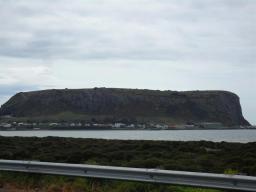
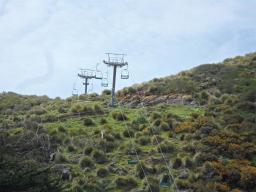
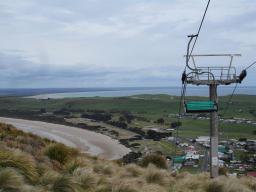
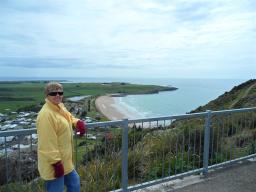
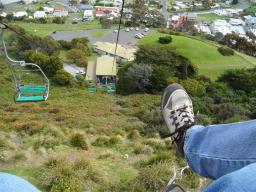
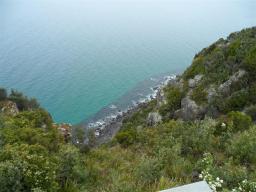
Oct 6 Stanley lies 125 kms west of Devonport. It is the site of ‘The Nut’ a 125 Metre volcanic plug. To reach the top you may either walk which takes around 15 minutes or the easier way – by chairlift. When on top, the views are breathtaking – the walk around the edge takes around 45 minutes as the land mass on top is approximately 90 acres.
The reserve protects the nationally endangered straw daisy and provides an important breeding site for short-tailed shearwaters (mutton birds), peregrine falcons, Australian kestrels and little penguins. The reserve protects significant Aboriginal and historic heritage sites. The Nut and the Aboriginal sites are of deep significance to the Aboriginal community, both present and past.
A little Irish history – Michael Lyons from Galway settled in Stanley in the early 1820’s. His grandson, Joseph Lyons became the only Australian Prime Minister born in Tasmania. He was also the only Australian to have held the positions of State Premier and Prime Minister. His wife was the first female member of the House of Representatives in 1943.
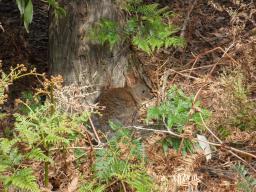
On our walk we spot a small bandicoot, which looks a lot like a wallaby – see the picture.
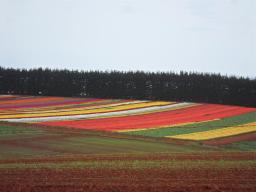
On the way back from Stanley we take a detour to see the beautiful tulip farm at Wynyard and also visit the lighthouse on nearby Table Cape. We spotted where Birds Eye get their baby peas from (see photo). Another piece of trivia, Tasmanian farmers can obtain a license to grow poppies which are then used to manufacture medicines.
Tasmania – The First Week
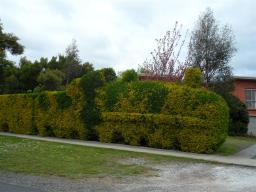
Oct 5 Off on to a gourmet trail which includes Port Sorrell (fishing and walking), Elizabethtown (cheese, raspberries, chocolate), Deloraine (arts and crafts, sculpture trail), Latrobe (chocolate factory), Railton (topiary) and finishing at a fascinating salmon farm where we purchased some locally hot smoked salmon which was delicious.
Tasmania – The First Week
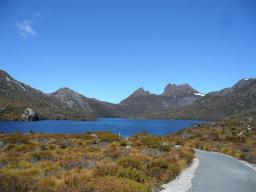
Oct 4 Cradle Mountain, 1,545 mtrs high, forms the northern end of the wild Cradle Mt – Lake St Clair National Park, itself a part of the Tasmanian Wilderness World Heritage Area.The jagged contours of Cradle Mountain epitomise the feel of a wild glaciated landscape, while ancient rainforest and alpine heathlands, buttongrass and stands of colourful deciduous beech provide a range of environments to explore. Icy streams cascading out of rugged mountains, stands of ancient pines mirrored in the still waters of glacial lakes and a wealth of wildlife ensure there is always something to captivate you.
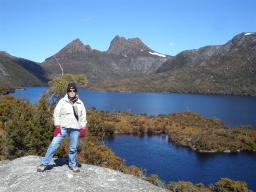
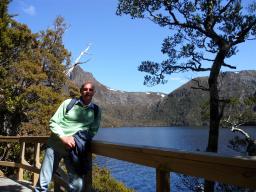
We stop just under the mountain itself and follow the 6 km circuit trail around Dove Lake, at 1,000 mtrs with glorious views of the mountain from all angles.
Tasmania – The First Week
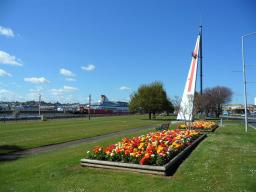
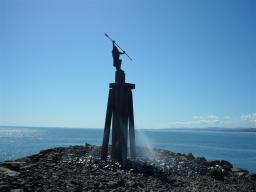
Oct 3 Devonport port, established in 1890, lies close to the mouth of the Mersey River. A 5 metre bronze statue, ‘The Spirit Of The Sea’ stands atop the Devonport breakwater guarding the entrance to the river. The lighthouse was built in 1899.
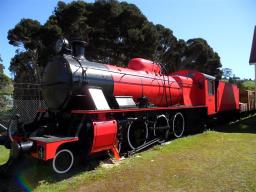
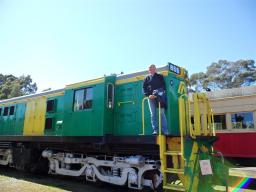
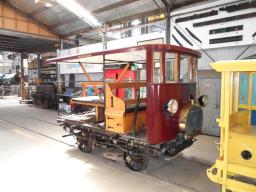
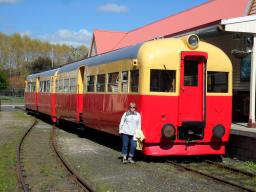
We visit the Don River Railway museum which is also a working steam and diesel railway. It is the largest collection of old steam locos and passenger carriages in Tassie. One small piece of trivia – there are no passenger rail services in Tasmania due to the small demand. All rail services are freight.
We finish the day with a trip to Goat Island and the Three Sisters which are situated along the coast west of Devonport.
Tasmania – The First Week
Oct 2 We decide to base ourselves in Devonport on the north coast of Tasmania for our first week. This lets us visit the many attractions on the north of the island. Tasmania is Australia’s smallest state, 296 kms north to south and 315 kms east to west.
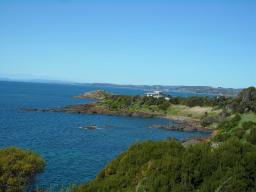
We are both blown away by our first impressions of Tasmania. The beauty of the place is difficult to describe. The greenness of the scenery, the mountains, the richness of the soil, the endless rolling countryside meeting the beautiful vista of the rocky shores of the ocean at the Bass Strait. All the houses look like they have been entered into a tidy towns competition (and won). The weather is bright but cool, perfect touring temperatures. Night time gets down to 5 degs and daytime reaches the mid teens. It is sometimes easy to forget that we are still in Australia.
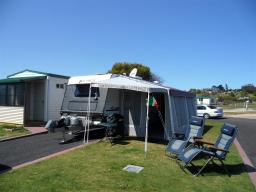
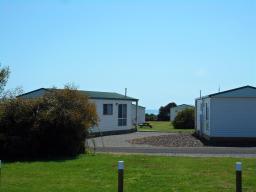
Our first caravan site in East Devonport is only 5 minutes away from the ferry terminal but it is in a perfect position where the Mersey river meets the ocean. We are lucky to be allocated an en-suite site with our own bathroom facilities. After setting up camp we head west along the Bass Highway for a short trip to get to know the area.
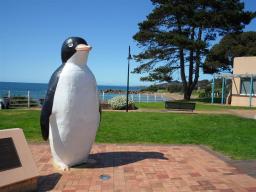
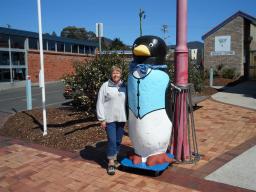
Our first stop is the small coastal village of Penguin, about 30 kms west of Devonport. Penguin is named after the small penguins who live along the spectacular coastline close to the village. The village also makes the most of its name using penguin images everywhere, including one that is 3 metres tall.
Melbourne And The Boat To Tasmania
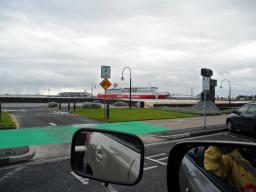
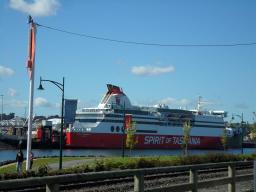
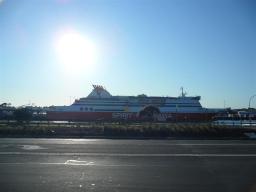
Oct 1,2 We make the last 100 kms into Melbourne and head for the port for the 7:30 pm sailing on the Spirit Of Tasmania. We are able to park the Landcruiser and van on the road close to the port. Unfortunately, the weather has taken a turn for the worse and it is raining and cold. Siobhan decides to take a tram into the city for a little shopping. Bob stays in the caravan to watch the rugby world cup to see Australia thrash Russia. (We will not mention the Irish game !!) Bob also watched part of the Aussie Rules Grand Final between Geelong and Collingwood.
Bob only saw part of the footy because of a slight technical hitch with the caravan. Apparently, when you are parked you should unhook the electrical connection with the car, otherwise the fridge in the van will drain the car battery. This it did very effectively. So here we were with 2 hours to go before we have to board the ferry with a vehicle that will not start. RACV to the rescue – we were up and running within 25 mins and headed to the ferry terminal.
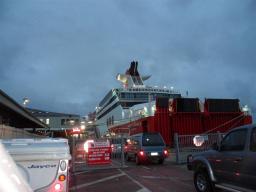
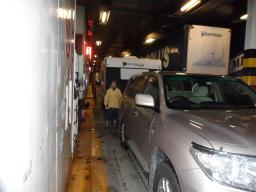
We board without a hitch, leave the rig to be tied down and head upstairs to our small cabin for the crossing. The on-board restaurant is very good and after dinner we retire to our cabin, take our seasick pills and bed down for the night. The seasick pills were a good idea as the crossing was quite rough with waves up to 3 metres in height. We arrive safely in Devonport at 7:30 am and disembark to head for a local caravan park.