Tasmania – The First Week

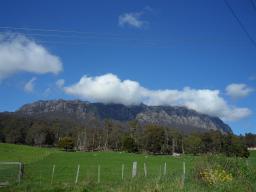
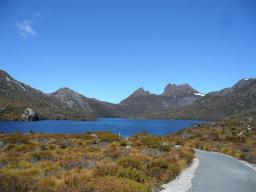
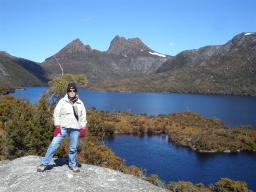
Oct 4  Cradle Mountain, 1,545 mtrs high, forms the northern end of the wild Cradle Mt – Lake St Clair National Park, itself a part of the Tasmanian Wilderness World Heritage Area.The jagged contours of Cradle Mountain epitomise the feel of a wild glaciated landscape, while ancient rainforest and alpine heathlands, buttongrass and stands of colourful deciduous beech provide a range of environments to explore. Icy streams cascading out of rugged mountains, stands of ancient pines mirrored in the still waters of glacial lakes and a wealth of wildlife ensure there is always something to captivate you.

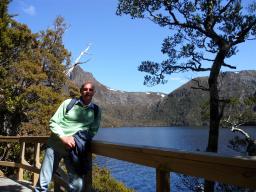
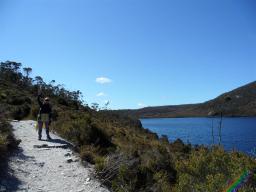
We stop just under the mountain itself and follow the 6 km circuit trail around Dove Lake, at 1,000 mtrs with glorious views of the mountain from all angles.


Tasmania – The First Week

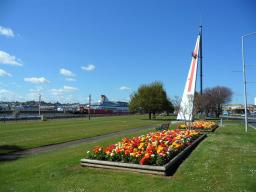
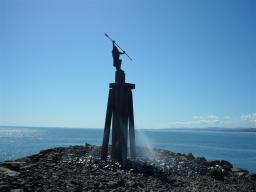
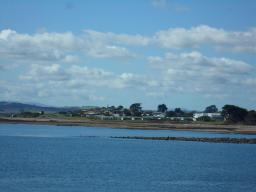
Oct 3  Devonport port, established in 1890, lies close to the mouth of the Mersey River. A 5 metre bronze statue, ‘The Spirit Of The Sea’ stands atop the Devonport breakwater guarding the entrance to the river. The lighthouse was built in 1899.


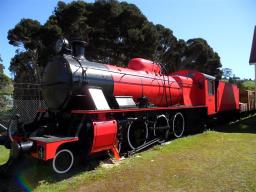
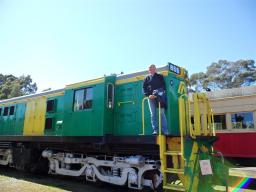
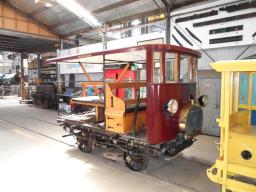
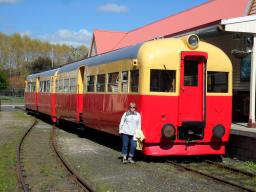
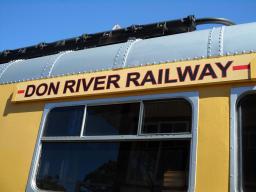
We visit the Don River Railway museum which is also a working steam and diesel railway. It is the largest collection of old steam locos and passenger carriages in Tassie. One small piece of trivia – there are no passenger rail services in Tasmania due to the small demand. All rail services are freight.


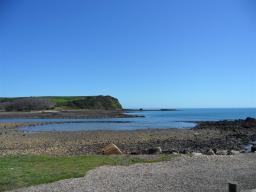
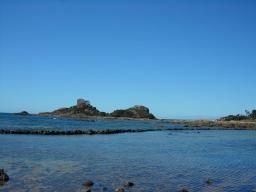
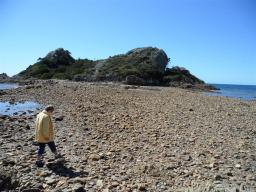
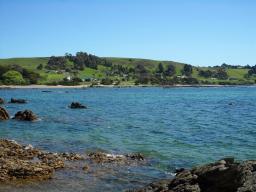
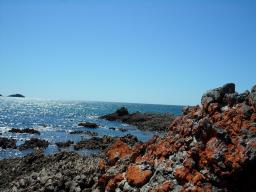
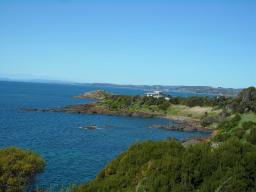
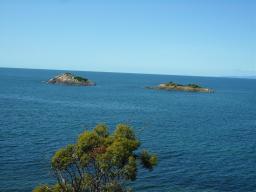
We finish the day with a trip to Goat Island and the Three Sisters which are situated along the coast west of Devonport.


Tasmania – The First Week

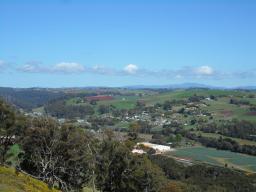
Oct 2  We decide to base ourselves in Devonport on the north coast of Tasmania for our first week. This lets us visit the many attractions on the north of the island. Tasmania is Australia’s smallest state, 296 kms north to south and 315 kms east to west.

We are both blown away by our first impressions of Tasmania. The beauty of the place is difficult to describe. The greenness of the scenery, the mountains, the richness of the soil, the endless rolling countryside meeting the beautiful vista of the rocky shores of the ocean at the Bass Strait. All the houses look like they have been entered into a tidy towns competition (and won). The weather is bright but cool, perfect touring temperatures. Night time gets down to 5 degs and daytime reaches the mid teens. It is sometimes easy to forget that we are still in Australia.

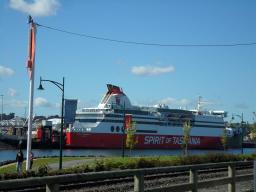
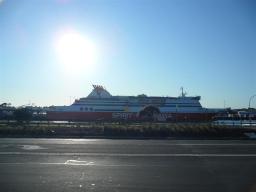
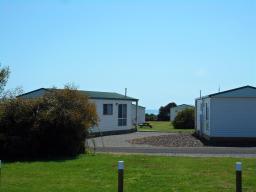
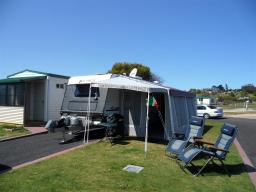
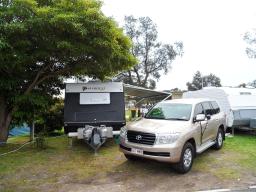
Our first caravan site in East Devonport is only 5 minutes away from the ferry terminal but it is in a perfect position where the Mersey river meets the ocean. We are lucky to be allocated an en-suite site with our own bathroom facilities. After setting up camp we head west along the Bass Highway for a short trip to get to know the area.


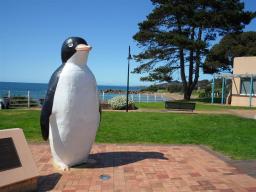
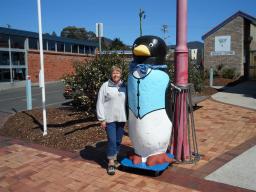
Our first stop is the small coastal village of Penguin, about 30 kms west of Devonport. Penguin is named after the small penguins who live along the spectacular coastline close to the village. The village also makes the most of its name using penguin images everywhere, including one that is 3 metres tall.


Melbourne And The Boat To Tasmania

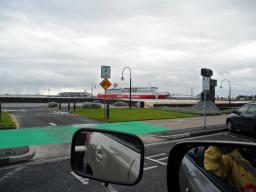
Oct 1,2  We make the last 100 kms into Melbourne and head for the port for the 7:30 pm sailing on the Spirit Of Tasmania. We are able to park the Landcruiser and van on the road close to the port. Unfortunately, the weather has taken a turn for the worse and it is raining and cold. Siobhan decides to take a tram into the city for a little shopping. Bob stays in the caravan to watch the rugby world cup to see Australia thrash Russia. (We will not mention the Irish game !!) Bob also watched part of the Aussie Rules Grand Final between Geelong and Collingwood.

Bob only saw part of the footy because of a slight technical hitch with the caravan. Apparently, when you are parked you should unhook the electrical connection with the car, otherwise the fridge in the van will drain the car battery. This it did very effectively. So here we were with 2 hours to go before we have to board the ferry with a vehicle that will not start. RACV to the rescue – we were up and running within 25 mins and headed to the ferry terminal.


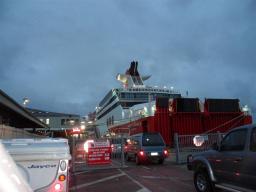
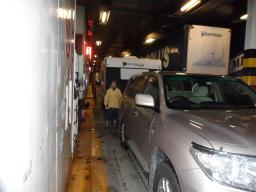
We board without a hitch, leave the rig to be tied down and head upstairs to our small cabin for the crossing. The on-board restaurant is very good and after dinner we retire to our cabin, take our seasick pills and bed down for the night. The seasick pills were a good idea as the crossing was quite rough with waves up to 3 metres in height. We arrive safely in Devonport at 7:30 am and disembark to head for a local caravan park.

Last Stop Before The Boat To Tasmania

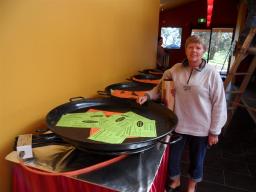
Sep 30  We chose to make our last stop at Warragul, just 100 kms or so from Melbourne. This is in the Gippsland region of Victoria which is well known for its wineries and gourmet deli products. We take a short trip to Yarragon to visit the Brandy Creek winery and could not walk away without a couple of bottles of rose and a port !! The winery also puts on huge paella evenings which we missed but take a look at the size of the paella dishes.


Getting Closer To Melbourne

Sep 25, 26  Next stop is Merimbula on the south-east coast of New South Wales. Merimbula is the holiday resort of the Sapphire Coast. The town has a population of around 4,000 (and far more in summer) is situated around beautiful coastal waterways. The weather on arrival was sunny and 21 degs. However, a southerly change causes quite a drop in temperature but, fortunately, the rain stays away.

We do some local sightseeing and take a walk on the 3 km boardwalk along the water’s edge.


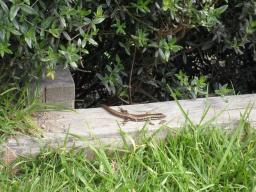
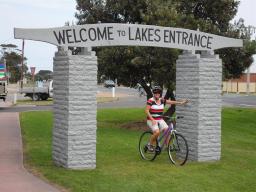
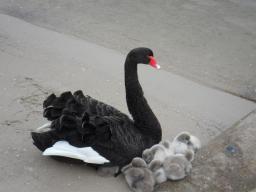
Sep 27 – 29  We finally make it across the Victoria border and set up our next camp in Lakes Entrance, a small town on the coast next to the Gippsland Lakes and a glorious stretch of coast known as Ninety Mile Beach. The weather is still a cool 15 degs or so but we manage to do some local sightseeing on the bikes. We did have some problems with an aggressive magpie that attacked us both but we also snapped some of the more loveable local fauna.


Heading South To Melbourne

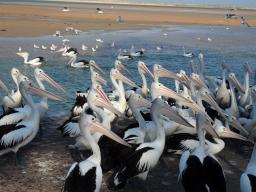
Sep 19  We have to be in Melbourne on Oct 1 to catch the ferry to Tasmania. So we start the trip south with a 1 night stay at Toowoon Bay near The Entrance, which is located about 2 hours north of Sydney on the NSW Central Coast where the magnificent Tuggerah Lake meets the Pacific Ocean. The area is known for its abundance of pelicans which are fed daily.


Sep 20  We take the chance of a stop in Sydney to catch up with Sheila, Siobhan’s best friend from Ireland. We cannot believe the amount of traffic in Sydney and are thankful we do not have to face it every day. Siobhan visits Sheila for a major catch up.


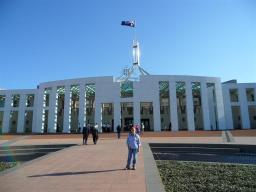
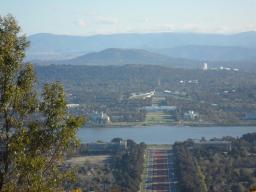
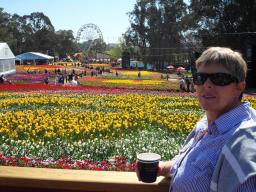
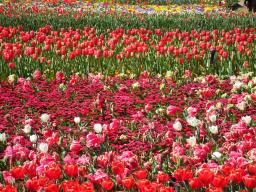
Sep 21,22  We head to Canberra for a 2 night stay. The annual spring flower festival, The Floriade, is on and we spend some time looking at the beautiful flowers. We also visit the Australian War Memorial which is a fantastic museum of history of the Australian military. The weather during the day was a lovely sunny 20 degs … but at night it reached 0 degs – the first time ever our 4 wheel drive had seen ice on the windscreen !!


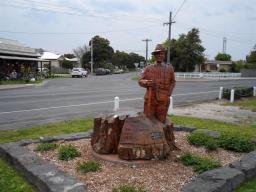
Sep 23, 24  Continuing our journey south we stop at Bateman’s Bay for 2 nights. Situated on the banks of the Clyde River, it is famous for its oysters, which we sampled at a local seafood restaurant on the water. We visited the local Moruya country markets. The town is famous for its large inticately carved wooden statues throughout the town’s main street. (Sorry, forgot the camera that day !!) Moruya is also famous for supplying the granite used in the piers of the Sydney Harbour Bridge.

Tallwoods Resort Forster Tuncurry

Sep 16 to 18  We finally arrive at Forster Tuncurry, leave the caravan at a site in town and move into a lovely 3 bed house in the Tallwoods golf resort with Tom and Julie, our friends who live in Nelson Bay. We had a lovely time, playing 2 rounds of golf on the resort course and generally relaxing, eating and drinking too much. It was great to catch up with Tom and Julie.


On The Road To Forster Tuncurry

Sep 10 to 15 2011  After a short stay back at Cotton Tree to pick up post, car service, Bob’s pacemaker service, etc, we head south to meet with Tom and Julie at Forster Tuncurry for some R & R. We are meeting them on Sep 16 for the weekend and the trip is about 600 kms in total so we can take our time.

First stop is Tweed Heads which is just over the border from Queensland into New South Wales. The locality is famous for its Snapper Rocks and Point Danger surf breaks.


Next stop is for 1 night at Evans Head, a small coastal fishing town located at the mouth of the Evans River, it was the first prawning port in Australia. It is the perfect place for a casual bike ride along the ocean to spot some of the local wild dolphins playing in the surf. Note the photo of a plaque commenorating some famous local surfing grannies !


Coffs Harbour is our next stop for 2 nights. We took the opportunity to play one of the prettiest golf courses we have yet seen – Bonville. The scenery was spectacular. Coffs Harbour is also the home of migrating birds called short-tailed shearwaters or mutton birds. They nest underground in burrows on an island called Mutton Bird Island which can be accessed by foot from the harbour. We were slightly dissapointed to hear that most of the birds had been disturbed by a rally Australia event the day before which was held around the harbour. The birds did return after a few days.


Final stop on the road to Forster Tuncurry is an old favourite – Port Macquarie. We stay at one of our favourite sites with the river and the beach both really close. We caught up with some friends who now live there and also played golf at Wauchope, just outside the town.


Maryborough, QLD Vets Golf Championships

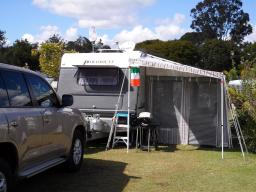
Sep 1 to 7 2011  We arrive at the Wallace Caravan Park in Maryborough for the annual Queensland Vets Golf Championships. There are over 20 players at this event from our own home golf club at Pelican Waters. We are joined at the caravan park by Jeff and Faye Chappell, Dick Hancock and Marilyn Fitzpatrick. Dick and Marilyn have a unique camp fire called the ‘Pig’. It is made out of a 9 kg gas cylinder. We all gather around the Pig each evening for a catch up, a drink (or 2) and nibbles. Marilyn impressed all one evening with her traditional damper – delicious with golden syrup.

   

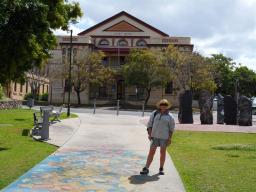
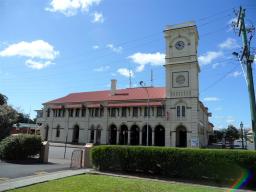
Maryborough has some amazing history and beautiful colonial architecture. For example, even though it is 20 kms up river from the coast, it was the second largest immigration port in Australia in the late 1800’s and early 1900’s. We went on a 2 hour guided tour of the city (walking !) and learned a lot of the history. The local sugar industry was founded on the import of native labourers from Papua New Guinea, Torres Strait, Vanuatu and the Solomons (amongst others). Unfortunately, most of these labourers were not treated well – average salary was 6 pounds per year, paid half yearly.
       

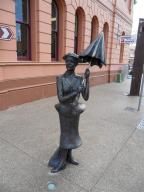
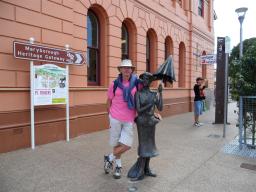
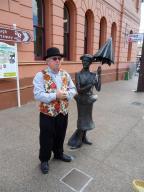
Maryborough has another unusual claim to fame. The author of Mary Poppins, Pamela Travers, was born Helen Lyndon Goff in Maryborough in 1899 where her father was a local bank manager. A life size bronze statue of Mary Poppins stands at the corner of the road where the author was born. 
    

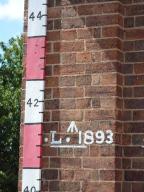
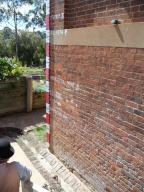
Most people will have heard about the terrible floods in Queensland earlier this year. Since Maryborough is situated on a large river (the Mary) and is also quite close to the coast, it was affected quite badly. The effect of the floods can be imagined if you look at the 2 photos below. They show the side of a house that sits 26 metres above the normal river level. This year the water just reached the bottom of the house at 26 metres above normal level. However, the record flood was in 1893 at nearly 42 metres above normal.
 

Back to the golf tournament, played over 2 days, with Pelican Waters Golf Club very well represented with over 20 players. 9 separate golfers from PWGC won individual prizes. An excellent result for the club.